

As temperatures rise, the risk of heat-related illnesses like heat exhaustion and heat stroke increases. It’s crucial to take proactive measures to stay safe and healthy during hot weather. Here are five essential tips to beat the heat and prevent heat-related illnesses.
Hydrate Early and Often
Staying hydrated is the first line of defense against heat-related illnesses. Begin drinking water even before you feel thirsty, and continue to hydrate regularly throughout the day. If you are spending time outside, aim to drink a cup of water (8 oz.) every 20 minutes. It’s essential to avoid beverages that can dehydrate you, such as caffeine, energy drinks, and alcohol. Keeping track of your water intake can help ensure you’re drinking enough. Drinks with balanced electrolytes can also be beneficial to replace fluids lost through sweating.
Dress for the Heat
What you wear can make a significant difference in how your body handles heat. Opt for light, loose-fitting clothing that allows your skin to breathe. Wearing a hat or using an umbrella can provide additional shade and protection from direct sunlight. Always wear shoes to protect your feet from hot surfaces, and apply sunscreen to prevent sunburn. If you plan to spend time outside, make sure to pack enough water to stay hydrated.
Take Breaks
Avoid prolonged exposure to the heat and sun by taking frequent breaks in shaded or air-conditioned areas. It’s advisable to schedule outdoor activities for early in the morning or late in the afternoon, avoiding the hottest parts of the day. These breaks will help your body cool down and reduce the risk of heat-related illnesses.
Know the Signs
Recognizing the symptoms of heat-related illnesses is critical for timely intervention. Familiarize yourself with the signs of heat exhaustion and heat stroke, such as excessive sweating, weakness, dizziness, nausea, headache, and confusion. If you or someone else starts to show these symptoms, take immediate action by moving to a cooler place, hydrating, and seeking medical attention if necessary.
Plan Ahead
Before engaging in outdoor activities, check the weather forecast and plan accordingly. If extremely high temperatures are expected, adjust your schedule to avoid the hottest times of the day. Planning ahead can help you avoid unnecessary exposure to the heat and ensure you have everything you need to stay cool and hydrated.
Takeaway
When temperatures soar, taking care of yourself is more important than ever. By following these simple steps—staying hydrated, dressing appropriately, taking breaks, knowing the signs of heat-related illnesses, and planning ahead—you can enjoy the summer safely and comfortably. Remember, listening to your body and taking precautions can make all the difference in preventing heat-related illnesses. Stay cool, stay safe, and have a great summer!

Neck Fan
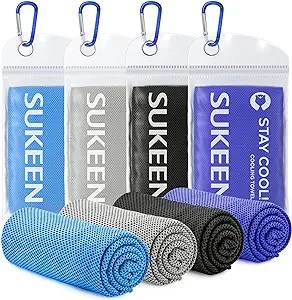
cooling towels
 Because We Care® Life is Better