
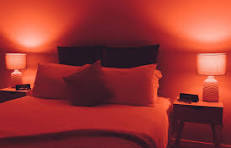
Imagine this: you’re winding down for the night, but your phone screen, tablet, or that overhead light in your room is keeping your brain in “go” mode. Sound familiar? It might be time to swap out that harsh white light for a red one—and not just for the aesthetic. Research suggests that using a red light in your room before bed could be the key to better sleep.
Why Red Light?
The secret lies in how different light colors affect melatonin, your body’s sleep hormone. Blue and white lights are notorious for suppressing melatonin production, making it harder for you to drift off. In contrast, red light is less stimulating, allowing your body to naturally prepare for rest.
The Science Behind It
Exposure to red light helps maintain your body’s natural circadian rhythm. Unlike blue light, which tricks your brain into thinking it’s daytime, red light mimics the softer hues of a sunset. This makes it easier for your brain to signal that it’s time to rest.
How to Incorporate Red Light Into Your Routine
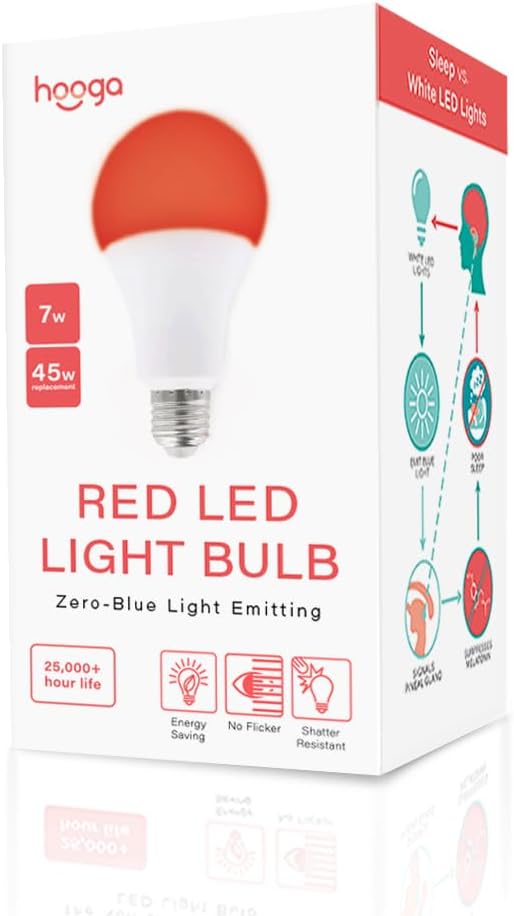
- Switch to a Red Light Bulb: Replace your bedroom lamp’s bulb with a red one. They’re affordable and widely available.
- Use a Red Light Device: Consider investing in a red light therapy lamp, especially if you want to double up on benefits like improved skin or reduced inflammation.
- Avoid Screens Before Bed: No amount of red light can combat the effects of late-night screen time. Put down your phone at least 30 minutes before you plan to sleep.
The Bottom Line
Switching to red light isn’t just a wellness trend—it’s a practical, science-backed way to improve your sleep. It’s a small, easy adjustment that can make a world of difference in how you rest and recharge.
 Because We Care® Life is Better