
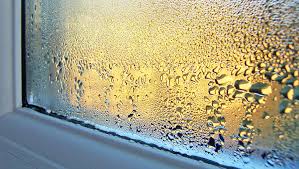
As we head into the winter months, it’s easy to focus on the obvious needs: staying warm, creating cozy spaces, and celebrating the holidays. However, there are also some less obvious elements that play a big role in making our homes truly comfortable during this time of year—one of the most important being humidity levels.
Why Humidity Matters in Winter
When the temperatures drop, the air becomes drier. Heaters kick in, and homes are sealed up tighter to conserve warmth. While these actions keep us warm, they also remove moisture from the air, leading to dryness indoors. This drop in humidity can have several effects on both your health and home:
- Dry Skin: If you’ve ever noticed that your skin feels especially dry or irritated during the winter months, it’s not just the cold weather. Low humidity can strip moisture from your skin, leading to dryness, itching, and even eczema flare-ups.
- Respiratory Discomfort: Dry air can also irritate your nasal passages and throat. It can exacerbate asthma symptoms, lead to nosebleeds, and make it harder to breathe comfortably.
- Static Electricity: You’ve probably encountered the frustration of static shocks when touching door handles or even when taking off your sweater. Static electricity builds up because the air is so dry.
The Benefits of a Humidifier
Investing in a humidifier can make a world of difference during the colder months. These devices add moisture back into the air, which helps to maintain a balanced humidity level in your home. Here are a few benefits of using a humidifier:
- Moisturizes Skin: Humidifiers help maintain your skin’s natural moisture barrier, preventing dryness and irritation. It’s like giving your skin a little extra help in the fight against the winter weather.
- Relieves Respiratory Issues: Keeping the air moist helps prevent the drying of your respiratory system, making it easier to breathe, especially at night. It can help with symptoms of colds, allergies, or asthma.
- Prevents Static Electricity: A humidified environment reduces the buildup of static electricity, meaning fewer shocks when you’re just trying to move around your home.
- Preserves Your Home: Wooden furniture, floors, and even musical instruments like pianos can suffer from low humidity, leading to cracks or warping. A humidifier helps maintain the integrity of these items.
Choosing the Right Humidifier for Your Space
There are different types of humidifiers to suit various needs:
- Evaporative Humidifiers: These use a fan to blow air through a wet wick, adding moisture to the air. They’re self-regulating, meaning they won’t over-humidify the room.
- Ultrasonic Humidifiers: These use ultrasonic vibrations to create a fine mist. They’re typically quieter than evaporative models and are often available in various sizes.
- Warm Mist Humidifiers: These heat water to create steam, which is then cooled slightly before being released into the air. This can be especially helpful if you want to add some extra warmth to the room.
No matter the type, it’s important to choose a humidifier that’s appropriate for the size of your room to ensure optimal results.
Other Tips to Combat Dry Air
- Houseplants: Many indoor plants naturally humidify the air by releasing moisture. Consider adding a few plants to your home to naturally boost humidity while improving indoor air quality.
- Ventilation: Occasionally opening your windows, even just a crack, can help circulate the air and prevent it from becoming too stagnant.
- Water Bowls: If a humidifier isn’t an option, placing bowls of water near heating vents or radiators can help evaporate moisture into the air.
While we focus on the obvious elements of winter—warmth, comfort, and holiday cheer—it’s easy to overlook the quieter needs that make a home truly cozy.
 Because We Care® Life is Better