
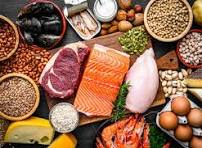
Everywhere you look lately—on social media, in podcasts, in fitness circles—there’s talk about getting enough protein. But what does that actually mean, and why does everyone suddenly seem obsessed with it?
Let’s break it down, simply.
What Is Protein, Really?
Protein is one of the three main macronutrients your body needs (the other two are carbs and fats). It’s made up of amino acids—think of them as building blocks your body uses to repair muscle, grow hair and nails, keep your immune system strong, and so much more.
Why Are People Talking About It?
Because protein helps with:
- Muscle recovery and maintenance, especially after workouts.
- Feeling full and satisfied, which can help with weight management.
- Steady energy, since it slows digestion and helps balance blood sugar.
So when people aim to “get more protein,” they’re usually trying to support fitness goals, build strength, feel more full throughout the day, or just improve their overall health.
So… How Much Protein Do You Need?
There’s no one-size-fits-all answer, but a general guide is:
- Sedentary adults: around 0.8 grams of protein per kilogram of body weight.
- Active individuals: often need more—closer to 1.2 to 2.0 grams per kg.
In simpler terms: if you’re active and weigh 150 lbs, your target might be around 80–120 grams of protein daily. But talk to your doctor or a dietitian to find what’s right for you.
Where Do You Get It?
Here are some great sources:
- Animal-based: chicken, eggs, fish, Greek yogurt, beef, cottage cheese.
- Plant-based: lentils, beans, tofu, tempeh, edamame, quinoa, nuts and seeds.
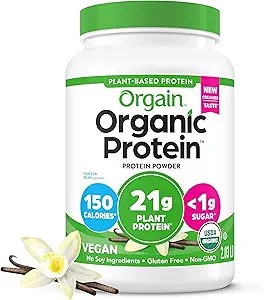
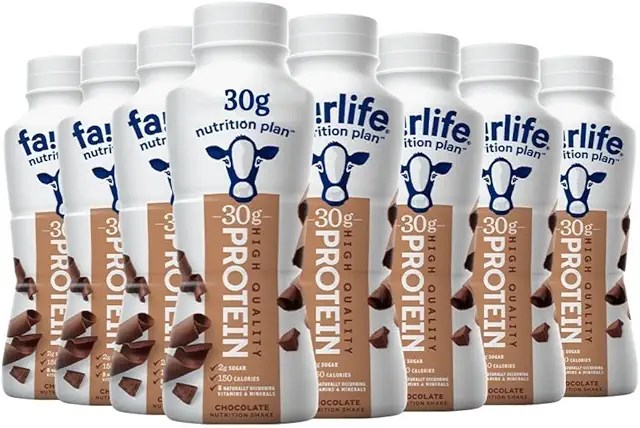
- Protein powders: helpful if you’re in a rush or need an easy boost.
Yes, protein is important—but it’s not a magic bullet. Think of it as part of your overall health puzzle. If you’re mindful of including a little protein in each meal and snack, you’re likely doing better than you think.
So next time someone says, “You getting your protein in?”—you’ll know what they mean, and why it matters.
 Because We Care® Life is Better