Do you ever feel your energy vanish around 2 PM, no matter how much sleep you got or coffee you drank? You’re not alone. That afternoon slump is common, and understanding why it happens can help you take back your day.
Why We Get Tired in the Afternoon
Natural Circadian Dip – Our bodies follow a natural rhythm, and alertness typically dips in the early afternoon. This isn’t laziness—it’s biology.
Blood Sugar Swings – Eating heavy, carb-rich meals can spike blood sugar, then crash it, leaving you sleepy.
Dehydration – Even mild dehydration can sap your energy. Water is often more effective than caffeine.
Poor Sleep – Lack of quality sleep the night before adds up and can make afternoons especially tough.
Sitting Too Long – Staying sedentary slows circulation and makes your body feel sluggish.
Tips to Stay Energized
Choose Smart Snacks – Nuts, yogurt, or fruit with protein help maintain stable blood sugar.
Stay Hydrated – Keep a water bottle at your desk and sip throughout the day.
Move Around – Take a quick walk, stretch, or do light exercises to boost circulation.
Get Sunlight – Natural light signals your body to stay awake and alert.
Consider Power Naps – A 10–20 minute nap can recharge without interfering with nighttime sleep.
Check Your Sleep Habits – Prioritize 7–9 hours of quality sleep to keep energy consistent.
By understanding why your energy dips and implementing small changes, you can reclaim your afternoons and be productive all day long.
Picture this: You’re walking down the street in a sudden summer downpour. Your clothes are soaked, your socks squish with every step, but your number one concern? Not your hair, not your shoes—your smartphone.
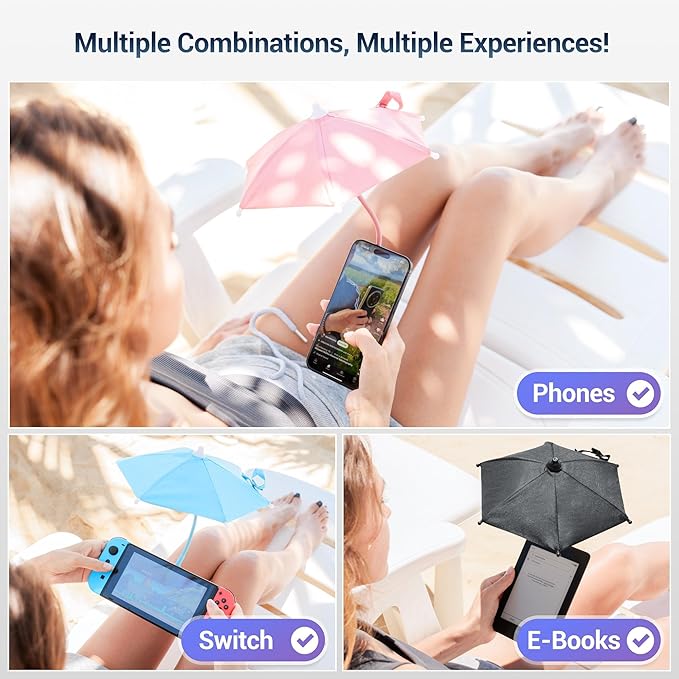
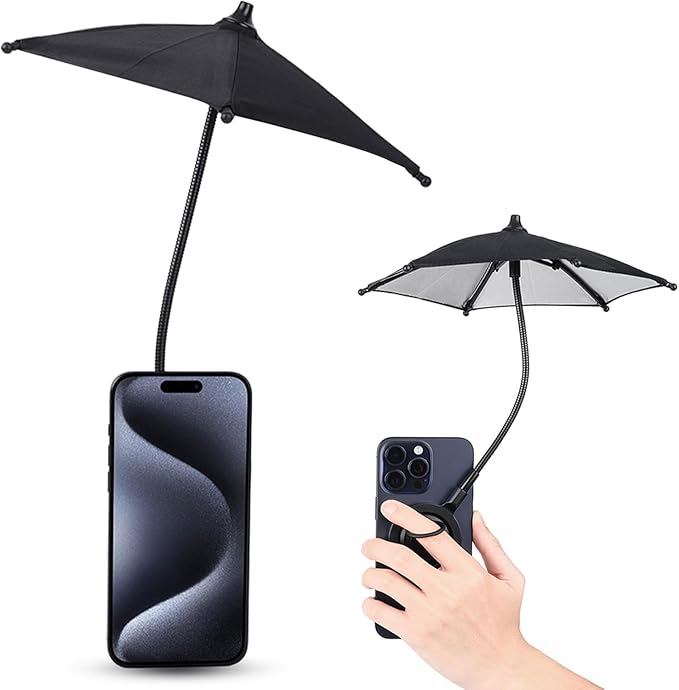
Enter the smartphone umbrella—a tiny canopy that attaches to your phone and shields it from rain, snow, sun, and maybe even judgment (well… maybe not that last one).
Genius or Ridiculous? Let’s break it down.
The Case for Genius
Rain-Proof Rescuer: For those of us who refuse to stop scrolling TikTok or following directions on Google Maps during a downpour, this little gadget could save us from another “water damage is not covered under warranty” conversation.
Too Cool for Pockets: Ever tried to juggle a coffee, a bag, and an umbrella while checking your phone? The phone umbrella may be the multitasker’s dream solution.
Sun Shade for the Tech-Savvy: Why should humans get all the SPF protection? Keep your phone cool and your screen readable with a portable parasol. It’s self-care… for your device.
The Case for Ridiculous
Looks Like a Toy (Because It Kind Of Is): Let’s be honest—it might look like your phone is cosplaying as a tiny Victorian lady on a promenade. Prepare for some odd looks.
One More Thing to Lose: Can’t keep track of your AirPods? Good luck keeping up with a 3-inch phone umbrella that’s not even smart enough to beep when you misplace it.
Rain’s Gonna Get Ya Anyway: Your screen may be dry, but your fingers, shirt, and soul are still soaking wet. Priorities, people.
Verdict?
We’re calling it: Gloriously ridiculous—but we love it anyway. It’s the kind of quirky invention that makes the world just a little more fun. Will it change your life? No. Will it make you smile? Probably. Will you buy one as a gag gift for your tech-loving friend? Absolutely.
Because in a world full of serious problems, sometimes a little phone umbrella is just the bit of nonsense we need.
You sit down with a plan. Coffee in hand. Calendar open. You know what needs to get done today.
Then life happens.
A text. A knock at the door. A child needing something. An unexpected email. A “quick question” that turns into twenty minutes. And just like that, your flow is gone.
Interruptions are part of life. They’re not always avoidable, but they are manageable. The key isn’t eliminating them—it’s learning how to juggle them without losing your rhythm.
1. Accept That Interruptions Will Happen
The first step is mindset. If you expect a perfect, uninterrupted day, every little disruption will feel like a failure. Expect the unexpected. Build in margin. Give yourself grace when your day takes a detour.
2. Control What You Can
You might not be able to control everything, but you can control a lot:
Silence unnecessary notifications.
Set “do not disturb” blocks on your calendar.
Create quiet zones—physically or digitally—for focused work.
Let people know when you’re unavailable, even if it’s just for an hour.
Small boundaries lead to big clarity.
3. Prioritize Like a Pro
Not everything that interrupts you is urgent—or important. Learn to triage:
Can it wait?
Can it be delegated?
Does it need a response at all?
Not every ping needs a reply right now.
4. Use Mini-Resets
After an interruption, don’t waste time spiraling. Take a breath. Write down where you left off. Use a timer (like 5 minutes) to reset and get back in. The faster you recover, the less damage the interruption does.
5. Reflect, Don’t React
At the end of the day, look back and ask: What pulled me off course? Sometimes interruptions reveal patterns. Maybe it’s time to adjust your schedule, delegate more, or simply say no more often.
You don’t need perfect conditions to be productive. You just need awareness, flexibility, and the willingness to keep coming back to what matters—even when life tries to pull you away from it.
It’s simple: pick a color—any color—and then head outside. As you walk, focus only on that color. Look for it in leaves, signs, cars, clothing, flowers, buildings—everywhere. At first, you may not notice much. But then something amazing happens: that color begins to appear all around you, as if it was hiding in plain sight the whole time.
This little trick gets me out of my head in the best way. You know that mental checklist constantly looping in your brain? The errands, the deadlines, the conversations you keep replaying? On a color walk, that noise starts to fade. You’re no longer stuck in the past or anxious about the future. You’re just present—fully, beautifully present—with your color for that day.
The color walk reminds me how much I miss when I’m rushing. It’s a practice in slowing down, in seeing with intention, and in letting go of the need to always be doing something. It brings curiosity, childlike wonder, and a surprising sense of calm.
If you’re feeling overwhelmed or scattered, try it. Choose red. Or blue. Or yellow. Walk without a destination—just a mission to see. You might be surprised at what shows up… and how you feel afterward.
Beets have come a long way from being just a humble root vegetable on your dinner plate. Today, they’re powering smoothies, boosting workouts, and even showing up in your wellness routine in the form of powders and gummies. But what makes beets so special? And do beet powders and gummies really work? Let’s dig in!
Why Beets?
Beets are a natural source of:
Nitrates, which help improve blood flow and oxygen delivery
Antioxidants, especially betalains, which help reduce inflammation
Fiber, for digestive health
Essential nutrients like vitamin C, folate, potassium, and iron
These benefits translate into improved energy, better circulation, and even heart health.
Beet Powder: A Concentrated Boost
Beet powder is made by drying and grinding beets into a fine powder. It’s easy to scoop into a smoothie, water bottle, or pre-workout shake. Athletes often use beet powder to support endurance and stamina thanks to its ability to boost nitric oxide levels, which can help with performance and recovery.
Perks of Beet Powder:
Easily absorbed
Long shelf life
No need to cook or juice fresh beets
Great for pre-workout or morning energy
Beet Gummies: Wellness on the Go
If you’re not a fan of the earthy beet flavor, beet gummies might be your new favorite. These chewy, fruity supplements combine beet extract with other supportive ingredients like B12, pomegranate, or coenzyme Q10 to support heart health, energy, and focus.
Perks of Beet Gummies:
Portable and convenient
No prep or clean-up
Tasty alternative to powders or juices
Kid-friendly (and adult-approved!)
Whether you’re looking to feel more energized, support your heart, or just add a new superfood to your routine, beets are worth considering. Powder or gummy—choose what fits your lifestyle best. With a little consistency, you might just beet the afternoon slump, one scoop or chew at a time.
Everywhere you look lately—on social media, in podcasts, in fitness circles—there’s talk about getting enough protein. But what does that actually mean, and why does everyone suddenly seem obsessed with it?
Let’s break it down, simply.
What Is Protein, Really?
Protein is one of the three main macronutrients your body needs (the other two are carbs and fats). It’s made up of amino acids—think of them as building blocks your body uses to repair muscle, grow hair and nails, keep your immune system strong, and so much more.
Why Are People Talking About It?
Because protein helps with:
Muscle recovery and maintenance, especially after workouts.
Feeling full and satisfied, which can help with weight management.
Steady energy, since it slows digestion and helps balance blood sugar.
So when people aim to “get more protein,” they’re usually trying to support fitness goals, build strength, feel more full throughout the day, or just improve their overall health.
So… How Much Protein Do You Need?
There’s no one-size-fits-all answer, but a general guide is:
Sedentary adults: around 0.8 grams of protein per kilogram of body weight.
Active individuals: often need more—closer to 1.2 to 2.0 grams per kg.
In simpler terms: if you’re active and weigh 150 lbs, your target might be around 80–120 grams of protein daily. But talk to your doctor or a dietitian to find what’s right for you.
Plant-based: lentils, beans, tofu, tempeh, edamame, quinoa, nuts and seeds.
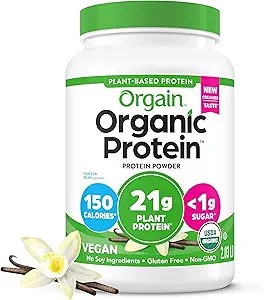
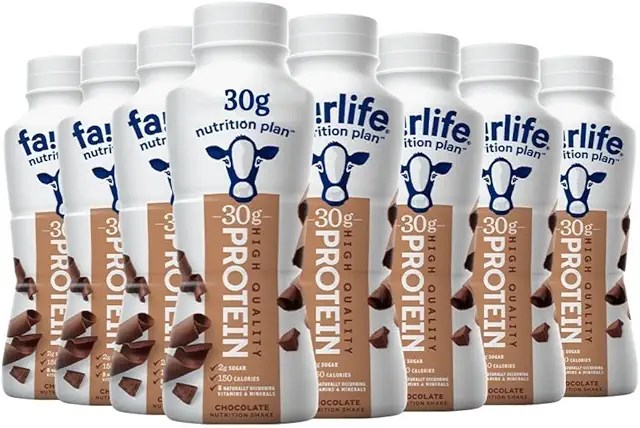
Protein powders: helpful if you’re in a rush or need an easy boost.
Yes, protein is important—but it’s not a magic bullet. Think of it as part of your overall health puzzle. If you’re mindful of including a little protein in each meal and snack, you’re likely doing better than you think.
So next time someone says, “You getting your protein in?”—you’ll know what they mean, and why it matters.
Some people drink coffee to start their day. Others scroll the news or head straight into work. Me? I grab my earbuds, lace up my shoes, and hit the pavement with Audible in my ears.
It’s become a little ritual I didn’t know I needed—part movement, part mindset, and a whole lot of mood-setting.
Here’s how it goes: I step outside, press play, and suddenly I’m not just walking—I’m adventuring, learning, or laughing depending on the day’s book. Sometimes it’s a business book that fires me up. Other times it’s a novel that gives me an emotional warm-up before I face my inbox. And occasionally, it’s something just for fun—because joy counts, too.
There’s something magical about letting someone else tell you a story while the world slowly wakes up around you. The combination of fresh air, a good story, and moving your body is like hitting a giant reset button.
Why I love it:
It sets a positive, intentional tone before the noise of the day kicks in
I feel like I’ve accomplished something before 9 a.m.
My step count goes up and my stress levels go down
I actually look forward to mornings (who am I??)
Pro tip: Always download your audiobook ahead of time, especially if you like wandering into spotty service areas like I do. Learned that one the hard way.
So if you ever feel like mornings are a bit too… morning-y, give it a shot. Grab some earbuds, choose a book that excites you, and take a little stroll. You just might find it’s the best thing you’ve done for yourself all day.
*Audible- until tomorrow is $0.99 for the first 3 months- Auto-renews at $14.95/mo after 3 months. Cancel anytime. Offer ends April 30, 2025.
Let’s talk about the fashion statement of the decade: the water bottle.
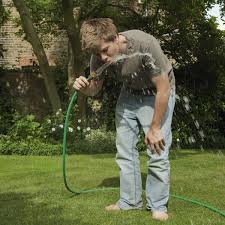
Have you noticed? These things are full-blown accessories now. I’m not even mad about it—it’s just funny. Because once upon a time (cue the nostalgic music), we didn’t have matching 40 oz stainless steel hydration stations with rubber straws and pastel colors. We had… a garden hose.
Yes, I’m aging myself here—but I survived on hose water and Kool-Aid. And I turned out (mostly) fine.
Back then, water wasn’t this glamorous thing. We didn’t track ounces in an app or carry emotional support bottles with motivational time stamps like “You’re doing great!” or “Almost there!” No one clapped for us when we hydrated. We just… got thirsty and found a spigot.
Now? Water bottles come with entire personalities:
The Stanley Cup Girlies™ with color-coordinated gym fits.
The Minimalist Sipper with matte black sleekness and zero branding.
The Sticker Bombed Emotional Companion that doubles as a scrapbook.
The Gallon Jug Warrior—bless you, your biceps must be amazing.
And don’t get me wrong—I get it. We’re all out here trying to drink more water, be more mindful, and stay hydrated. And hey, if carrying around a trendy water bottle gets you there, do your thing!
But just for a second, let’s raise our BPA-free, insulated tumblers in a toast to a simpler time—when water was warm, slightly metallic, and came straight from the side of the house. Unfiltered. Unapologetic. Underrated.
Cheers to hydration, whatever your style. And to the hose… thanks for the memories.
Let’s face it: to-do lists can be a double-edged sword. They’re meant to keep you organized and on track, but all too often, they end up feeling more overwhelming than helpful. The good news? There’s a better way to keep your to-do list from becoming a source of stress.
If you want your to-do list to actually work for you, not against you, here are three simple strategies to keep it effective, actionable, and easy to follow:
1. Break Tasks Into Bite-Sized Pieces
One of the biggest reasons to-do lists get overwhelming is when tasks are too vague or too big. “Finish project” or “Clean the house” are great ideas, but they’re not helpful in terms of execution. The key is to break down bigger tasks into smaller, specific actions.
Instead of writing “Finish project,” try:
Draft the outline.
Research key points.
Write the introduction.
Each step becomes its own task, making the process feel less intimidating. Plus, it gives you more moments of victory as you check things off!
2. Prioritize with the 3 Most Important Tasks (MITs)
A massive to-do list can easily turn into a never-ending scroll of tasks that feels impossible to conquer. Instead, focus on the “3 Most Important Tasks” (MITs) for the day.
Every morning, pick three things that are essential to move forward with your goals. These should be tasks that will have the biggest impact on your day, your career, or your personal life. Everything else is secondary. This prevents overwhelm and gives you a sense of purpose.
By the end of the day, if you’ve checked off your three most important tasks, you’ve had a productive day, no matter what else is left on the list.
3. Use Time Blocks, Not Just Checkboxes
It’s easy to get sucked into the trap of having a never-ending to-do list where you’re just checking boxes without truly doing the work. Time-blocking is the solution.
Instead of just saying, “Write report,” schedule a dedicated block of time: “Write report from 10:00 AM – 11:00 AM.” By allocating time for tasks, you’re giving yourself permission to focus fully on what’s at hand—without distractions—and you can avoid the temptation of jumping between tasks too quickly.
The point of a to-do list isn’t to overwhelm you with tasks but to make sure you stay focused on what truly matters. By breaking tasks into smaller chunks, prioritizing your most important tasks, and time-blocking for focused work, you’ll have a to-do list that works for you, not against you.
Remember, the best to-do list isn’t the one with the most items checked off—it’s the one that helps you achieve your goals, stay balanced, and feel in control.
Tools to help:
Noise-Cancelling Headphones
When time-blocking, it’s essential to have an environment free of distractions. Noise-cancelling headphones can help you concentrate better.
We’ve all been there. You sign up for something with the best of intentions. For me, it was a meal plan subscription. The idea was simple: make dinnertime easier, save time, reduce stress, and maybe even discover some new favorite recipes along the way. Sounds like a win, right?
But here’s the truth—I never used it. Not once. The emails piled up, the ingredients went unbought, and each passing day left me with a twinge of guilt. I spent money on something that didn’t work for me, and for a while, all I could focus on was the waste.
But now, with a little perspective, I’m seeing it differently. And if you’ve ever done something similar—whether it’s a gym membership, a course, or a subscription—you’re not alone. Here are the takeaways I’ve gathered:
1. It’s Okay to Try and Miss
Sometimes we won’t know if something fits until we try. Not everything is going to be the magic solution. Just because it didn’t work this time doesn’t mean the idea was bad or that you failed.
2. Be Kind to Yourself
We’re often our own harshest critics. Spending money on something that didn’t work can feel like a waste, but it was an investment in your intention to make life better. That’s still valuable.
3. Use It As Feedback
Clearly, something about that system didn’t match my lifestyle. That’s not a dead end—it’s data. Now I know I need a simpler approach, or maybe something more flexible. That’s useful insight for next time.
4. Just Because It Didn’t Work Now Doesn’t Mean It Won’t Ever
Sometimes the timing just isn’t right. I may revisit a meal plan system later—when life is a little less hectic or my routines are more structured.
5. You’re Still Making Progress
Even the “wrong turns” are part of the journey. You learned something. You moved forward. And that matters.
So if you’re feeling disappointed in yourself over something that didn’t go as planned—pause, take a deep breath, and be proud that you tried. Life is messy. Growth isn’t linear. But the effort to simplify, to improve, to care for yourself and your family? That matters.
And maybe tonight’s dinner will still be cereal and toast. That’s okay too. 😉









 Because We Care® Life is Better