
I’m always happy to share stories of companies that truly stand behind their products and provide exceptional customer service. Recently, my YETI tumbler chipped. It wasn’t a huge deal, but since YETI offers a warranty, I figured I’d go through the process and see what happened.
I submitted my claim through their website, expecting a bit of a wait. To my surprise, within two hours, I received an email saying my claim was approved and that a replacement was on its way. No hassle, no runaround—just straightforward, excellent customer service.
It’s refreshing to see a company that not only makes high-quality products but also backs them up without making customers jump through hoops. When a company delivers on its promises, it builds trust and loyalty.
So, if you’re ever wondering whether YETI stands by their products, I can personally say—they do! Have you had a great customer service experience with a brand? I’d love to hear about it!
Have you ever tried to make plans with friends, only to go back and forth for days—sometimes weeks—without finding a time that works for everyone? You’re not alone. As we get older, scheduling even a simple coffee meet-up can feel like solving a puzzle with missing pieces. But why does it feel so difficult?
1. Busy Schedules and Priorities
Life gets busy. Work deadlines, family responsibilities, appointments, and personal obligations quickly fill up our calendars. As much as we want to see our friends, scheduling time together often takes a backseat to other pressing commitments.
2. Different Life Stages
When you’re younger, friendships tend to be more spontaneous—there’s always time to hang out. But as people move into different life stages (career growth, marriage, kids, etc.), their priorities and availability shift. What used to be a simple “Want to grab dinner?” now requires checking calendars weeks in advance.
3. Decision Fatigue
After a long day of making decisions at work and home, even choosing a time, place, and activity for a hangout can feel exhausting. The mental energy required to plan an outing can sometimes lead to simply putting it off.
4. Fear of Overcommitting
Many people are trying to balance social time with self-care, rest, and other personal interests. In an era where burnout is common, people are more selective about how and when they spend their free time.
How to Make It Easier
Plan in Advance: Instead of waiting until the last minute, schedule meetups ahead of time so everyone can prioritize it.
Keep It Simple: Don’t overcomplicate plans—sometimes a casual walk or quick coffee works just as well as a full dinner.
Be Flexible: If finding a perfect time is tough, be open to alternatives like virtual catch-ups or shorter meetups.
Make It Recurring: Set a monthly or quarterly get-together, so it becomes a regular event rather than a struggle to plan each time.
Staying connected with friends is essential for well-being, even if coordinating plans feels tough. Prioritizing friendships and being proactive can make all the difference. So, send that text, suggest a date, and make time for the people who matter!
I’ve been waking up at 5:30 AM every morning this week to work out in my home gym. It’s been my time—quiet, focused, and a great way to start the day. But last night, I didn’t sleep well. So this morning, I gave myself an extra 30 minutes of sleep instead of my usual workout.
I told myself I wouldn’t be mad about it, but it’s hard. That early workout feels like borrowed time, a head start on the day. Skipping it made me feel like I was already behind.
But here’s the thing—giving yourself grace is part of the process. We all have days that don’t go as planned. Instead of beating ourselves up, we can learn to move forward with self-compassion. Here are three ways to do that:
1. Reframe Your Thinking
Instead of seeing it as a failure, recognize that rest is just as important as action. Your body needed extra sleep today, and that’s okay. One missed workout doesn’t erase all the progress you’ve made.
2. Focus on the Big Picture
Consistency matters more than perfection. A single day off won’t define your journey. What does? The fact that you’ve shown up every other morning this week. That discipline isn’t gone—it’s still there, and you’ll use it again tomorrow.
3. Talk to Yourself Like a Friend
Would you criticize a friend for choosing rest when they needed it? Probably not. So why do it to yourself? Show yourself the same kindness you’d offer someone else. Encourage, don’t condemn.
Keep Moving Forward
Life doesn’t always go as planned, and that’s okay. The goal isn’t perfection—it’s progress. So tomorrow, I’ll be back in my gym at 5:30 AM. And if you’ve had a moment where you needed grace, remind yourself: one day doesn’t define you. Keep going.
Yesterday, I experienced a wave of scam attempts firsthand. Someone entered my email and phone number into multiple loan websites, and within 10 minutes, I received over 20 calls, texts, and emails congratulating me on my “approved loan”—one I never applied for. When I told the callers I hadn’t applied, they asked for my birthday and Social Security number, hoping to complete their scam. Thankfully, I didn’t provide any information, but it was a stark reminder of how easily scammers can target people.
If this happens to you, here are three essential tips to avoid falling victim to these scams.
1. Never Share Personal Information Over the Phone
Legitimate lenders will never cold-call you and ask for your Social Security number or date of birth to “verify” an application. If you receive an unexpected call about a loan you never applied for, hang up immediately. Do not confirm any personal details.
2. Block and Report Suspicious Numbers
If you receive multiple scam calls or texts, block the numbers immediately. You can also report them to the Federal Trade Commission (FTC) or use services like Nomorobo or Hiya to filter out potential spam calls.
3. Monitor Your Credit and Freeze It If Necessary
If scammers have your phone number and email, they may try to apply for loans in your name. Check your credit report regularly for suspicious activity. You can also freeze your credit through Equifax, Experian, and TransUnion to prevent unauthorized accounts from being opened.
Stay Vigilant and Protect Yourself
Scammers are constantly evolving their tactics, but staying informed and cautious can help protect your identity. If you receive similar fraudulent calls, remember: do not engage, do not share personal details, and report suspicious activity immediately.
Gratitude is more than just saying “thank you.” It’s a mindset that can transform your outlook, boost your happiness, and strengthen your relationships. However, in the hustle of daily life, it can be easy to overlook the things we should be thankful for. Here are some practical tips to help you cultivate gratitude and recognize the blessings all around you.
1. Start a Gratitude Journal
Take a few minutes each day to jot down three things you’re grateful for. They don’t have to be grand gestures or monumental events—simple things like a warm cup of coffee, a kind word, or a moment of peace count. Writing them down helps solidify your gratitude and makes it easier to reflect on over time.
2. Look for Silver Linings
Even in challenging situations, there’s often something to appreciate. Did you learn a lesson, discover a new perspective, or find an unexpected ally? Shifting your focus from what’s wrong to what’s right can help you build resilience and foster gratitude.
3. Practice Mindfulness
Slowing down and paying attention to the present moment allows you to notice the little things that often go unnoticed. The sound of birds singing, the warmth of the sun on your face, or the joy of completing a task are all opportunities for gratitude.
4. Express Your Gratitude
Share your appreciation with others. Write a thank-you note, send a kind text, or simply say “thank you” to someone who made your day better. Expressing gratitude not only uplifts others but also reinforces your own feelings of appreciation.
5. Reflect on Your Day
At the end of each day, take a moment to reflect. What made you smile? What went well? Reflecting on your experiences helps you focus on the positive moments, no matter how small.
6. Find Gratitude in the Ordinary
Gratitude doesn’t always have to be about big moments. Appreciate the little things—the comfort of your favorite chair, the taste of a favorite meal, or the laughter of a loved one. These small moments create a patchwork of joy in everyday life.
7. Set a Gratitude Reminder
Use technology to your advantage. Set daily reminders on your phone to pause and think about something you’re grateful for. This can be especially helpful on busy days when gratitude might not be top of mind.
8. Surround Yourself with Positive Influences
Spend time with people who inspire you and lift you up. Their positive energy can encourage you to adopt a more grateful perspective and find joy in your own journey.
Gratitude is a practice that takes intention, but the rewards are worth it. By incorporating these tips into your life, you can discover a renewed appreciation for the world around you and create a foundation of positivity and fulfillment.
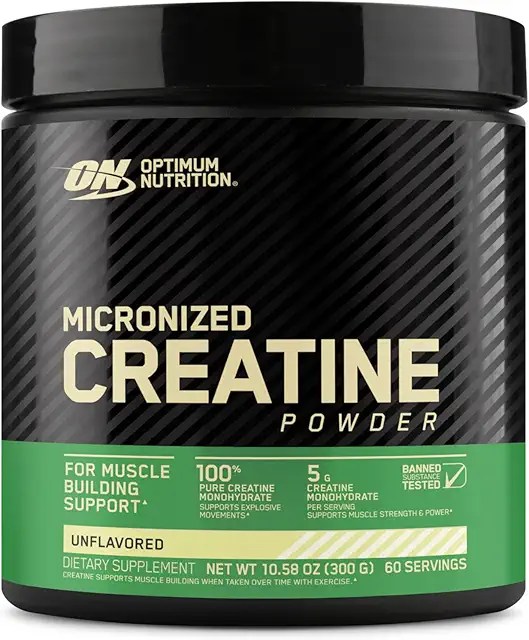
Creatine is a popular supplement in the fitness world, well-known for its benefits in boosting athletic performance and enhancing muscle recovery. If you’re considering incorporating it into your routine, here’s why you might want to give it a try:
Improves Muscle Performance Creatine is a naturally occurring compound in your muscles, helping to supply energy during high-intensity activities like sprinting or lifting weights. Supplementing with creatine increases the amount of creatine phosphate in your muscles, allowing you to produce more energy during intense workouts, which can enhance overall performance and endurance.
Supports Muscle Growth When you engage in resistance training, creatine has been shown to help increase lean muscle mass. Studies suggest that it can increase muscle size by enhancing the water retention in muscles, and it may also promote protein synthesis, which aids in muscle repair and growth. This makes it a favorite among bodybuilders and athletes looking to gain strength.
Aids in Recovery Creatine doesn’t just benefit performance; it also plays a key role in recovery. It has been found to help reduce muscle damage and inflammation after intense exercise, which can shorten recovery time and keep you on track with your workout regimen.
Supports Cognitive Function Beyond physical benefits, creatine has been linked to improved cognitive performance, especially in tasks that require short-term memory and quick thinking. Research has shown that creatine supplementation can help reduce mental fatigue and improve focus, which can be beneficial in both physical and mental tasks.
Safe and Well-Researched Creatine is one of the most researched supplements, and studies consistently show that it is safe for most people when taken in recommended doses. It’s widely regarded as effective for improving both short-term and long-term performance in strength-based sports and activities.
How to Incorporate Creatine into Your Routine
Dosage: A typical dosing regimen includes an initial “loading phase” of about 20 grams per day for 5-7 days, followed by a “maintenance phase” of around 3-5 grams per day.
Timing: While it’s not strictly necessary to take creatine at a specific time, many people prefer taking it post-workout with a protein shake to aid in muscle recovery.
Consistency: Like many supplements, the key to success with creatine is consistency. It’s important to include it regularly in your routine to see the full benefits over time.
If you’re looking to enhance performance, support muscle growth, or accelerate recovery, creatine is a safe, proven option to consider adding to your fitness routine. However, as with any supplement, it’s always best to consult with a healthcare professional to determine if it’s right for you.
We often set goals for ourselves—less time on social media, eating healthier, waking up early to exercise—but sticking to them is where the challenge begins. The truth is, cutting corners with yourself sends a subtle message to your subconscious: “My commitments don’t matter.” Over time, this erodes your self-trust and confidence. Here’s how to break the cycle and honor the promises you make to yourself.
1. Recognize the Value of Self-Integrity
When you follow through on small promises, like limiting social media time, you reinforce your sense of control. Every decision to honor a goal builds trust in yourself, showing you’re someone who keeps their word—even to themselves.
2. Start Small for Big Wins
Feeling overwhelmed by big changes? Focus on incremental steps. If waking up early to work out feels daunting, start by setting your alarm 15 minutes earlier each day. These small victories snowball into larger successes.
3. Eliminate Temptation
Make sticking to your commitments easier by removing distractions. Delete social media apps from your phone or stock your kitchen with healthy foods. Creating an environment that aligns with your goals reduces friction.
4. Celebrate Progress, Not Perfection
You won’t get it right every time, and that’s okay. Focus on progress, not perfection. Celebrate the days you make healthier choices, even if they aren’t perfect. Every step forward matters.
Following through on what you promised yourself isn’t just about achieving goals—it’s about building a stronger, more confident version of you. When you prioritize self-integrity, you remind yourself daily that your goals, dreams, and well-being are worth the effort. Start today, and don’t let yourself down.
Difficult conversations are a part of life. Whether addressing conflict, setting boundaries, or delivering tough news, these discussions can feel overwhelming. But with the right approach, you can handle them with grace and effectiveness. Here are three tips to help:
1. Prepare, but Stay Flexible
Before diving into a tough conversation, take time to clarify your thoughts. What is the main issue you want to address? What outcome are you hoping for? Practicing what you’ll say can help reduce anxiety. However, remain open to the other person’s perspective. A rigid script can make the exchange feel less genuine, so balance preparation with a willingness to adapt.
Example: Imagine needing to address a co-worker who missed deadlines. Prepare key points like how their actions affected the team, but be ready to hear their side—they might reveal personal challenges you weren’t aware of.
2. Focus on “I” Statements
Starting sentences with “I feel” instead of “You did” minimizes defensiveness. This approach keeps the conversation productive rather than accusatory.
Example: Instead of saying, “You never listen to me,” try, “I feel unheard when I share ideas and don’t get feedback.” This shifts the focus to your experience without casting blame.
3. Choose the Right Time and Place
Timing and environment matter. Choose a moment when both of you are calm and available to talk without distractions. Avoid bringing up serious matters in the heat of the moment or during busy periods.
Example: If you’re upset with a friend, wait until you can sit down in a quiet setting instead of addressing it mid-party.
Hard conversations can strengthen relationships when handled with care. By preparing thoughtfully, communicating kindly, and picking the right moment, you can turn discomfort into an opportunity for growth and understanding.
Matcha, the finely ground powder of specially grown and processed green tea leaves, has been making waves in wellness and culinary circles. Beyond its trendy appeal, this emerald elixir offers some powerful benefits. If you’re considering giving matcha a try, here are three compelling reasons to make it a part of your routine:
1. A Gentle Energy Boost Without the Jitters
Unlike coffee, matcha delivers a steady and sustained energy boost thanks to its unique combination of caffeine and L-theanine, an amino acid that promotes relaxation. Instead of the crash or jitters that sometimes accompany a coffee buzz, matcha offers calm alertness—a perfect balance for tackling a busy day.
2. Packed with Antioxidants
Matcha is a powerhouse of antioxidants, particularly catechins, which help fight free radicals and reduce inflammation. One of these catechins, EGCG, has been linked to boosting metabolism and supporting heart health. Just one cup of matcha contains more antioxidants than many other superfoods, making it a simple yet effective addition to a healthy diet.
3. Versatile and Delicious
Matcha is incredibly versatile. You can enjoy it as a traditional tea, whisked with hot water, or explore modern variations like matcha lattes, smoothies, or even baked goods. Its earthy, slightly sweet flavor profile pairs well with many ingredients, allowing you to get creative while reaping its benefits.
Whether you’re looking for a clean energy source, a way to elevate your wellness game, or a tasty new drink to savor, matcha could be the answer. Give it a try and experience the vibrant green magic for yourself!
Pro Tip: Not all matcha is created equal. For the best results, choose ceremonial-grade matcha for drinking and culinary-grade for cooking or baking.
The holiday season can feel like you’re juggling flaming candy canes—emails are endless, social media posts pile up, and your to-do list seems to have no bottom. If you’re feeling the December overwhelm, you’re not alone! Here are three practical tips to help you find balance and joy in this festive chaos.
1. Streamline Your To-Do List
Not every task is as urgent as it feels. Divide your list into three categories: must-dos, should-dos, and could-dos.
Must-dos are non-negotiable tasks like gifts for immediate family or RSVPs for events.
Should-dos are important but flexible, like baking cookies or sending holiday cards.
Could-dos are the extras that can wait or be skipped (sorry, handmade gift wrap).
Pro tip: Cross off one “could-do” guilt-free—it’s liberating!
2. Set Boundaries with Technology
Between holiday shopping emails and endless Instagram scrolls, digital overload is real. Combat it by setting limits:
Schedule Email Check-Ins: Only check emails twice a day.
Mute Non-Essential Notifications: Silence social media alerts to avoid unnecessary distractions.
Unsubscribe Ruthlessly: Do you really need those extra holiday sale updates? Probably not.
Give yourself a digital detox window each day to fully unplug and recharge.
3. Create a Daily Recharge Ritual
Carve out 15–30 minutes a day for a moment of calm. This can look like:
Sipping tea while gazing at your twinkling tree lights.
Writing a quick gratitude list to refocus on the joys of the season.
Taking a brisk walk outside to clear your head and reconnect with nature.
Think of it as gifting yourself the one thing we all need this season: peace of mind.
The holidays are meant to be a time of joy, not stress. By simplifying your to-do list, setting boundaries with technology, and prioritizing moments of calm, you can reclaim the magic of December. Remember, it’s okay to let go of perfection—your best is already more than enough.
Here’s to a holiday season filled with presence over perfection! 🎄✨