
Category Archives: Healthy

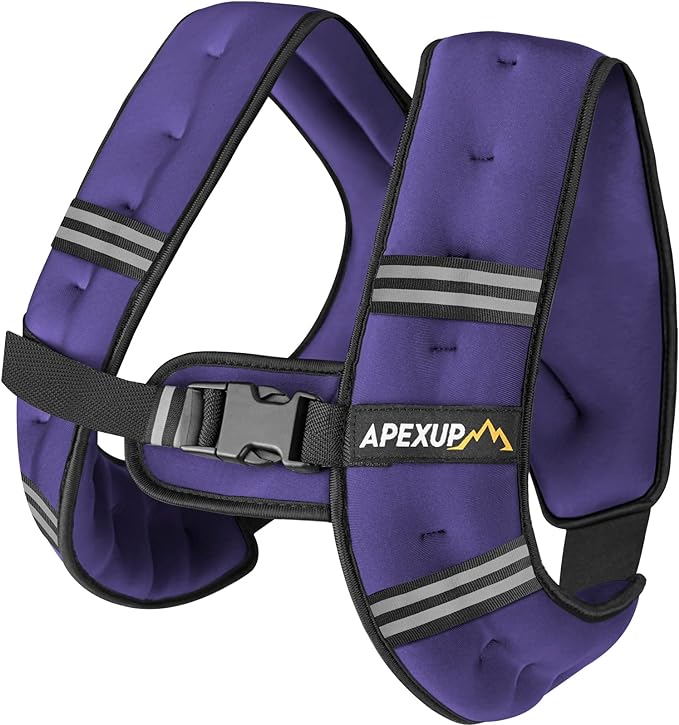
The Benefits of Going on Walks with a Weighted Vest

Walking is one of the simplest and most effective forms of exercise. But if you’re looking to amplify the benefits of your daily stroll, adding a weighted vest might be the perfect solution. Here’s why incorporating a weighted vest into your walking routine can be a game-changer for your fitness and overall health.

1. Increased Calorie Burn

Adding extra weight to your walk increases the intensity of the exercise. This means your body has to work harder, leading to a higher calorie burn. If weight loss or weight management is your goal, this simple addition can help you burn more calories without needing to significantly alter your walking routine.

2. Improved Cardiovascular Health

Walking with a weighted vest can improve cardiovascular endurance. The added weight forces your heart and lungs to work harder to supply oxygen to your muscles. Over time, this can strengthen your cardiovascular system, improve your heart health, and increase your overall stamina.

3. Enhanced Strength and Muscle Tone

A weighted vest adds resistance to your walk, engaging your muscles more effectively than walking without one. This can lead to improved muscle tone and strength, particularly in your legs, core, and upper body. It’s a great way to build strength without needing to spend extra time in the gym.

4. Bone Density Improvement

Weight-bearing exercises, like walking with a weighted vest, can help improve bone density. This is particularly beneficial for older adults or those at risk of osteoporosis. The added weight stimulates bone growth and strengthens the skeletal system, reducing the risk of fractures and bone-related issues.

5. Better Posture and Balance

Using a weighted vest requires you to maintain proper posture and balance during your walk. This can lead to improved postural alignment and core stability over time. Strengthening these muscles can help reduce back pain and improve your overall stability, reducing the risk of falls and injuries.

6. Versatile and Adaptable

Weighted vests come in various weights, allowing you to gradually increase the resistance as your strength and endurance improve. This adaptability makes it a versatile tool for walkers of all fitness levels. You can start with a lighter vest and add more weight as you become more comfortable and stronger.

7. Time Efficiency

If you’re short on time, adding a weighted vest can make your workouts more efficient. You can achieve more in the same amount of time, making it easier to fit an effective workout into a busy schedule.

How to Get Started

  1. Choose the Right Weight: Start with a lighter weight, around 5-10% of your body weight, and gradually increase as you build strength and endurance.
  2. Focus on Form: Ensure you maintain good posture and walking form. Keep your core engaged and your shoulders back.
  3. Gradual Progression: Increase the weight and duration of your walks gradually to avoid injury.
  4. Listen to Your Body: Pay attention to how your body feels. If you experience pain or discomfort, reduce the weight or take a break.

Incorporating a weighted vest into your walking routine can amplify the benefits of this simple exercise, from increased calorie burn to improved cardiovascular health, muscle strength, bone density, and posture. It’s an adaptable and efficient way to enhance your fitness and overall health.
https://amzn.to/3WdCHoI

Leave a comment

Filed under care, community, fitness, Fun, Healthy, Inspiration, motivation, walk

Keeping Your Shoes Clean: Essential for Golf, Pickle ball, and Hiking Adventures

Summer is the perfect time to embrace outdoor activities like golf, pickle ball, and hiking. Whether you’re hitting the fairways, dominating the pickle ball court, or exploring scenic trails, one thing is certain: your shoes are going to get dirty. Keeping your footwear clean is essential not only for aesthetics but also for maintaining their longevity and performance. Here’s why you need a good shoe cleaner and how to keep your shoes in top condition this summer.

Why a Good Shoe Cleaner Matters

1. Maintains Shoe Quality

Regular cleaning preserves the material and structure of your shoes:

  • Prevents Wear and Tear: Dirt and grime can break down shoe materials over time. Regular cleaning helps extend the life of your footwear.
  • Keeps Shoes Looking New: Clean shoes look better and make a great impression, whether you’re on the golf course, pickleball court, or hiking trail.

3. Promotes Hygiene

Hygiene is crucial, especially for active footwear:

  • Reduces Odor: Cleaning removes bacteria and sweat that can cause unpleasant odors.
  • Prevents Infections: Regular cleaning can prevent fungal and bacterial infections, keeping your feet healthy.

Cleaning Tips for Different Activities

Golf Shoes

Golf shoes are designed for stability and traction on the course:

  • Remove Debris: After each game, remove grass, dirt, and sand from your shoes using a brush or cloth.
  • Clean the Uppers: Use a mild soap solution and a soft brush to clean the shoe uppers. Wipe with a damp cloth and let them air dry.
  • Condition Leather Shoes: If your golf shoes are made of leather, apply a leather conditioner to keep them supple and prevent cracking.

Pickle ball Shoes

Pickle ball shoes need to handle quick movements and provide excellent grip:

  • Wipe Down Regularly: Use a damp cloth to wipe off dust and dirt after each game.
  • Deep Clean Monthly: For a thorough clean, remove the insoles and laces. Wash the shoes with a mild soap solution and a brush. Rinse and air dry.
  • Check the Soles: Ensure the soles are free from debris to maintain optimal traction on the court.

Hiking Shoes

Hiking shoes endure rough terrain and varying conditions:

  • Brush Off Mud and Dirt: After each hike, use a stiff brush to remove mud and dirt from the shoe’s surface and treads.
  • Wash with Care: For a deeper clean, use water and a brush. Avoid soaking the shoes to prevent damaging the material. Use a specialized cleaner if needed.
  • Dry Properly: Allow hiking shoes to air dry completely. Stuff them with newspaper to absorb moisture and maintain their shape.

Investing in a good shoe cleaner and maintaining your footwear can make a significant difference in their performance and lifespan. Whether you’re golfing, playing pickleball, or hiking, clean shoes ensure you’re ready to enjoy your summer activities to the fullest. Keep your shoes in top condition and step out with confidence, no matter where your adventures take you.

This is the best stuff!

https://amzn.to/3y7pDZP

Leave a comment

Filed under care, community, fitness, Fun, Healthy, Inspiration, motivation, organized

The Importance of Laughing: How Humor Enhances Your Life

Laughter is often referred to as the best medicine, and for good reason. Beyond just brightening your day, laughter has a profound impact on both your physical and mental well-being. Here’s why laughing is so important and how it can enhance your overall quality of life.

The Benefits of Laughter

1. Reduces Stress

Laughter acts as a natural stress reliever:

  • Decreases Cortisol Levels: Laughter lowers the levels of stress hormones like cortisol, which can help you feel more relaxed.
  • Promotes Relaxation: A hearty laugh promotes muscle relaxation, reducing physical tension and contributing to a sense of calm.

2. Boosts Mood

Laughing has an immediate impact on your mood:

  • Increases Endorphins: Laughter triggers the release of endorphins, the body’s feel-good chemicals, which can enhance your mood.
  • Enhances Joy: Regular laughter contributes to overall happiness and helps counteract negative emotions.

3. Strengthens Social Bonds

Laughter plays a crucial role in social interactions:

  • Fosters Connection: Sharing a laugh with others can strengthen relationships and create a sense of connection.
  • Builds Trust: Humor can break down barriers and facilitate open communication, making it easier to build trust with others.

4. Improves Physical Health

Laughter has several positive effects on physical health:

  • Boosts Immune System: Laughter stimulates the production of antibodies and activates immune cells, which can enhance your body’s defenses.
  • Improves Cardiovascular Health: Laughing increases blood flow and improves the function of blood vessels, which supports heart health.

5. Relieves Pain

Laughter can act as a natural painkiller:

  • Increases Pain Tolerance: The endorphins released during laughter can help reduce the perception of pain.
  • Distracts from Discomfort: Humor can provide a distraction from physical pain or discomfort, making it easier to cope.

6. Enhances Mental Clarity

Laughing can boost cognitive function:

  • Improves Creativity: Humor and laughter can stimulate creative thinking and problem-solving abilities.
  • Increases Mental Resilience: A good laugh can help you better manage stress and maintain a positive outlook, which enhances mental resilience.

Ways to Incorporate More Laughter into Your Life

1. Watch Comedy

Incorporate humor into your daily routine:

  • Watch Funny Shows or Movies: Spend time enjoying comedy films or TV shows that make you laugh.
  • Attend Live Performances: Go to stand-up comedy shows or improv events for live entertainment.

2. Spend Time with Humorous People

Surround yourself with those who bring joy:

  • Socialize with Friends: Enjoy time with friends who have a good sense of humor and make you laugh.
  • Participate in Group Activities: Engage in social activities that promote laughter, such as game nights or humorous gatherings.

3. Practice Laughter Yoga

Incorporate laughter into your wellness routine:

  • Join Laughter Yoga Classes: These classes combine laughter with yoga breathing exercises to promote relaxation and well-being.
  • Practice at Home: Incorporate laughter exercises into your daily routine to boost your mood and relieve stress.

4. Read or Listen to Humor

Find humor in various media:

  • Read Funny Books or Articles: Enjoy literature or online content that makes you laugh.
  • Listen to Comedy Podcasts: Tune into podcasts that feature comedians or humorous discussions.

5. Engage in Playful Activities

Incorporate playfulness into your life:

  • Play Games: Engage in fun, lighthearted games with friends or family.
  • Participate in Fun Hobbies: Pursue hobbies that bring joy and encourage laughter, such as improv acting or creative writing.

Laughter is a powerful tool that can positively impact your physical health, mental well-being, and social connections. By embracing humor and incorporating more laughter into your daily life, you can enhance your overall quality of life and experience greater joy and resilience.

Leave a comment

Filed under care, community, Fun, Healthy, Inspiration, motivation

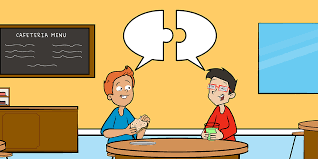
3 Tips for Navigating Difficult Conversations

Difficult conversations are a part of life, whether it’s addressing a conflict with a coworker, discussing a sensitive topic with a friend, or having a tough talk with a family member. Handling these discussions with care and skill can lead to positive outcomes and stronger relationships. Here are three tips to help you navigate difficult conversations effectively.

1. Prepare and Plan Ahead

Why It Matters:

Preparation allows you to approach the conversation with clarity and confidence. It helps you stay focused on the main issues and reduces the likelihood of getting sidetracked by emotions.

How to Do It:

Clarify Your Goals: Before the conversation, identify what you want to achieve. Are you seeking a resolution, understanding, or simply expressing your feelings? Knowing your goals will guide the discussion.

Gather Facts: Make sure you have all the relevant information. This includes any specific incidents, data, or examples that support your points. Avoid relying on assumptions or hearsay.

Plan Your Approach: Think about how to start the conversation. A good opening sets the tone for a respectful and constructive dialogue. Consider writing down key points you want to cover.

2. Listen Actively and Empathetically

Why It Matters:

Active listening shows respect and helps you understand the other person’s perspective. Empathy can diffuse tension and build a foundation for mutual understanding and cooperation.

How to Do It:

Give Full Attention: Put away distractions like phones or laptops. Maintain eye contact and nod to show you’re engaged. Avoid interrupting or planning your response while the other person is speaking.

Reflect and Clarify: Repeat back what you’ve heard to confirm understanding. Use phrases like, “What I’m hearing is…” or “It sounds like you’re saying…”. This demonstrates that you’re listening and helps clear up any misunderstandings.

Show Empathy: Acknowledge the other person’s feelings, even if you don’t agree with their viewpoint. Use empathetic statements like, “I understand this is difficult for you,” or “I see why you feel that way.”

3. Stay Calm and Focused

Why It Matters:

Staying calm helps you think clearly and prevents the conversation from escalating into an argument. Focusing on the issue at hand ensures that the discussion remains productive.

How to Do It:

Manage Your Emotions: If you feel yourself getting upset, take deep breaths or suggest a short break. It’s okay to pause and gather your thoughts before continuing.

Use “I” Statements: Frame your concerns in terms of your own experiences and feelings rather than making accusatory “you” statements. For example, say, “I feel hurt when…” instead of “You always…”.

Stick to the Topic: Avoid bringing up unrelated issues or past grievances. Focus on resolving the current issue. If other topics need discussion, set a time to address them separately.

Navigating difficult conversations can be challenging, but with preparation, active listening, and a calm, focused approach, you can handle them effectively. By applying these tips, you can turn potentially tense discussions into opportunities for growth and stronger relationships. Remember, the goal is not to “win” the conversation but to achieve understanding and find common ground.

Leave a comment

Filed under care, community, Fun, Healthy, Inspiration, motivation, organized, walk

4 Tips for Managing Busy Schedules

In today’s fast-paced world, managing a busy schedule can feel like juggling multiple balls in the air. However, with the right strategies, you can keep everything under control and maintain a sense of balance. Here are four tips to help you manage your busy schedule effectively.

1. Prioritize Your Tasks

Why It Matters:

  • Not all tasks are created equal. Some are urgent and important, while others can wait. By prioritizing, you focus on what truly matters and avoid wasting time on less critical activities.

How to Do It:

  • Make a List: Start each day by listing all the tasks you need to accomplish.
  • Categorize: Use the Eisenhower Matrix to categorize tasks into four quadrants: urgent and important, important but not urgent, urgent but not important, and neither urgent nor important.
  • Focus: Concentrate on tasks in the first two quadrants. Delegate or eliminate the rest whenever possible.

2. Use Time Management Tools

Why It Matters:

  • Time management tools can help you organize your day, set reminders, and track your progress. They can also reduce the cognitive load of remembering every detail.

How to Do It:

  • Digital Calendars: Use tools like Google Calendar or Outlook to schedule appointments and set reminders.
  • Task Management Apps: Apps like Todoist, Trello, or Asana can help you break down projects into manageable tasks and track your progress.
  • Pomodoro Technique: Use a timer to work in focused intervals (usually 25 minutes) followed by a short break. This can boost productivity and prevent burnout.

3. Set Boundaries and Say No

Why It Matters:

  • Overcommitting can lead to stress and burnout. Setting boundaries ensures that you have enough time for your most important tasks and personal well-being.

How to Do It:

  • Assess Commitments: Regularly review your commitments and decide which ones align with your goals and values.
  • Learn to Say No: Politely decline additional tasks or meetings that do not add value or fit into your schedule.
  • Set Work Hours: Establish clear work hours and stick to them. Communicate these boundaries to colleagues, friends, and family.

4. Schedule Time for Self-Care

Why It Matters:

  • Taking care of your physical and mental health is crucial for maintaining productivity and overall well-being. Without regular breaks and self-care, you risk burnout and decreased efficiency.

How to Do It:

  • Daily Breaks: Schedule short breaks throughout your day to rest and recharge. Even a five-minute walk can make a difference.
  • Regular Exercise: Incorporate physical activity into your routine. Whether it’s a morning jog, a yoga session, or a quick workout, exercise boosts energy and reduces stress.
  • Relaxation Time: Set aside time for activities that help you relax and unwind, such as reading, meditating, or spending time with loved ones.

Managing a busy schedule doesn’t have to be overwhelming. By prioritizing tasks, using time management tools, setting boundaries, and scheduling time for self-care, you can create a balanced and productive routine. Remember, the goal is not to do more but to manage your time effectively and focus on what truly matters. Implement these tips, and you’ll find yourself navigating your busy schedule with greater ease and confidence.

Leave a comment

Filed under care, coffee, community, fitness, Fun, Healthy, Inspiration, motivation, organized, Travel

Embracing Rest: Finding Strength in Life’s Storms

Nature often provides us with profound lessons, and one such lesson comes from the delicate wings of butterflies. Have you ever noticed that butterflies tend to rest when it rains? It’s not just a matter of seeking shelter; raindrops can actually damage their wings, which are crucial for their ability to fly gracefully.

In our own lives, we too face storms—challenges, hardships, and moments of uncertainty. During these times, it’s natural to feel overwhelmed, exhausted, or even broken. Yet, like butterflies, we can learn the art of resting during the storms. Here’s why embracing rest is essential and how it contributes to our overall resilience and well-being.

Understanding Rest as a Form of Healing

Rest is not merely about physical relaxation; it’s about allowing ourselves the time and space to heal—emotionally, mentally, and spiritually. Just as butterflies protect their wings from damage, resting during difficult times helps us preserve our inner strength and resilience. It’s a vital part of the healing process.

The Importance of Grace and Self-Compassion

During challenging moments, we often push ourselves to keep going, to find solutions, or to maintain a facade of strength. However, giving ourselves grace—to acknowledge our vulnerabilities, to accept that it’s okay to not have all the answers, and to allow ourselves the space to rest—is crucial. Self-compassion during these times is a powerful tool that fosters healing and inner peace.

Rest as a Pathway to Restoration

Just as rain brings nourishment to the earth, rest nourishes our soul and spirit. It allows us to recharge, regain perspective, and find clarity amidst chaos. Rest is not a sign of weakness but a testament to our wisdom and self-awareness. It prepares us for the next phase—when the storm passes and we are ready to spread our wings once more.

Practical Ways to Embrace Rest

  1. Physical Rest: Get adequate sleep, practice relaxation techniques like deep breathing or meditation.
  2. Emotional Rest: Engage in activities that bring you joy or comfort, such as reading, listening to music, or spending time in nature.
  3. Mental Rest: Give yourself permission to unplug from work or responsibilities. Allow your mind to wander freely without pressure.
  4. Spiritual Rest: Connect with your beliefs or practices that provide you with inner peace and strength.

Embracing the Journey

Life’s storms are inevitable, but so is our ability to weather them with grace and resilience. Like butterflies, we can find solace in resting during these storms, knowing that it’s a vital part of our journey toward restoration and renewal. So, the next time you feel overwhelmed by life’s challenges, remember the wisdom of butterflies—rest, give yourself grace, and trust that you will fly again when the storm passes.

Embracing rest during life’s storms is not a sign of weakness but a testament to our strength and wisdom. By giving ourselves permission to rest, we honor our need for healing and renewal. Let’s learn from nature’s gentle creatures and embrace the art of resting gracefully, knowing that it is a crucial step toward resilience and eventual flight.

Remember, rest is not a luxury—it’s a necessity on the path to restoration. So, take a moment today to pause, breathe, and give yourself the gift of rest.

Leave a comment

Filed under care, community, Fun, Healthy, Inspiration, motivation

Tips to Prevent Heat-Related Illnesses: Stay Cool and Healthy

As temperatures rise, the risk of heat-related illnesses like heat exhaustion and heat stroke increases. It’s crucial to take proactive measures to stay safe and healthy during hot weather. Here are five essential tips to beat the heat and prevent heat-related illnesses.

Hydrate Early and Often

Staying hydrated is the first line of defense against heat-related illnesses. Begin drinking water even before you feel thirsty, and continue to hydrate regularly throughout the day. If you are spending time outside, aim to drink a cup of water (8 oz.) every 20 minutes. It’s essential to avoid beverages that can dehydrate you, such as caffeine, energy drinks, and alcohol. Keeping track of your water intake can help ensure you’re drinking enough. Drinks with balanced electrolytes can also be beneficial to replace fluids lost through sweating.

Dress for the Heat

What you wear can make a significant difference in how your body handles heat. Opt for light, loose-fitting clothing that allows your skin to breathe. Wearing a hat or using an umbrella can provide additional shade and protection from direct sunlight. Always wear shoes to protect your feet from hot surfaces, and apply sunscreen to prevent sunburn. If you plan to spend time outside, make sure to pack enough water to stay hydrated.

Take Breaks

Avoid prolonged exposure to the heat and sun by taking frequent breaks in shaded or air-conditioned areas. It’s advisable to schedule outdoor activities for early in the morning or late in the afternoon, avoiding the hottest parts of the day. These breaks will help your body cool down and reduce the risk of heat-related illnesses.

Know the Signs

Recognizing the symptoms of heat-related illnesses is critical for timely intervention. Familiarize yourself with the signs of heat exhaustion and heat stroke, such as excessive sweating, weakness, dizziness, nausea, headache, and confusion. If you or someone else starts to show these symptoms, take immediate action by moving to a cooler place, hydrating, and seeking medical attention if necessary.

Plan Ahead

Before engaging in outdoor activities, check the weather forecast and plan accordingly. If extremely high temperatures are expected, adjust your schedule to avoid the hottest times of the day. Planning ahead can help you avoid unnecessary exposure to the heat and ensure you have everything you need to stay cool and hydrated.

Takeaway

When temperatures soar, taking care of yourself is more important than ever. By following these simple steps—staying hydrated, dressing appropriately, taking breaks, knowing the signs of heat-related illnesses, and planning ahead—you can enjoy the summer safely and comfortably. Remember, listening to your body and taking precautions can make all the difference in preventing heat-related illnesses. Stay cool, stay safe, and have a great summer!

https://amzn.to/3zohnoC

Neck Fan

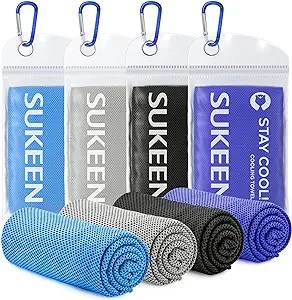
https://amzn.to/3W22scx

cooling towels

Leave a comment

Filed under care, community, fitness, Fun, Healthy, Inspiration, motivation, Travel

Discover the Benefits of Pickleball to stay Active

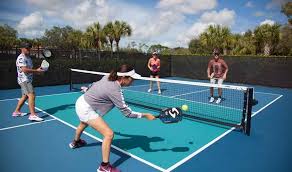
Pickleball, a sport blending elements of tennis, badminton, and ping pong, has surged in popularity —and for good reason. This low-impact activity packs a punch when it comes to health benefits while offering a fun and social way to stay active. Here’s why pickleball could be your next favorite pastime:

What is Pickleball?

Pickleball is played on a court similar to a badminton court, with a net lowered to about waist height. Players use paddles to hit a wiffle ball over the net, combining the skills of tennis, badminton, and ping pong into a unique and engaging game.

Health Benefits of Pickleball for Seniors

1. Low-Impact Exercise:
Pickleball is gentle on the joints compared to higher-impact sports like running or tennis. This makes it an ideal choice for seniors looking to stay active without risking joint stress or injury.

2. Cardiovascular Health:
The fast-paced nature of pickleball—quick movements, continuous play, and fast rallies—provides an excellent cardio workout. It helps improve cardiovascular endurance, circulation, and overall heart health.

3. Strength and Coordination:
Swinging the paddle and moving around the court engages muscles throughout the body, including the arms, legs, core, and back. Regular play can strengthen muscles, improve endurance, and enhance coordination.

4. Social Connections:
Pickleball is as much about camaraderie as it is about competition. Playing regularly allows you to interact with others, make new friends, and build a sense of community—a crucial aspect of mental and emotional well-being.

5. Adaptability:
One of the great features of pickleball is its adaptability. Whether you’re a beginner or more experienced, you can adjust the pace and intensity of the game to suit your fitness level. It’s also possible to play doubles, which adds a social and collaborative element to the sport.

Safety Tips for Playing Pickleball

While pickleball is generally safe, it’s important to take precautions to prevent injuries:

  • Warm-Up Properly: Before playing, warm up your muscles with light cardio and dynamic stretches to prepare your body for physical activity.
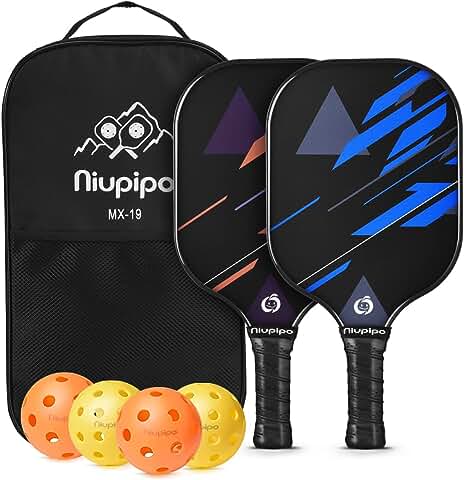
  • Use Proper Equipment: Invest in a good-quality paddle and wear supportive footwear to protect your feet and ankles during play.
  • Consult Your Healthcare Provider: If you have any health concerns or medical conditions, consult with your healthcare provider before starting pickleball or any new exercise regimen.

Getting Started with Pickleball

If you’re intrigued by pickleball but unsure where to begin, here are a few steps to get started:

  1. Find Local Courts: Look for pickleball courts in your area. Many community centers, parks, and recreational facilities offer courts for public use.
  2. Join a Beginner’s Class: Consider joining a beginner’s class or league to learn the basics of pickleball and meet other players at your skill level.
  3. Practice Regularly: Like any sport, practice makes perfect. Set aside time each week to play pickleball and gradually improve your skills and fitness.

Pickleball isn’t just a game—it’s a gateway to improved physical fitness, social connections, and overall well-being for active seniors. Whether you’re looking for a new hobby or a way to stay fit and engaged, pickleball offers something for everyone.

https://amzn.to/3XFDyR5

Leave a comment

Filed under care, community, fitness, Fun, Healthy, Inspiration, motivation

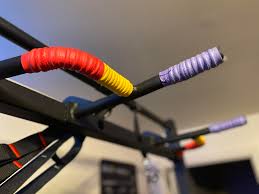
A Simple Hack for Weightlifting: Use Tennis Tape Instead of Gloves

If you’re an avid weightlifter, you know the importance of protecting your hands during intense workouts. Traditional weightlifting gloves are a popular solution, but they can sometimes be bulky, uncomfortable, or simply not to your liking. An effective and affordable alternative is using tennis tape. Here’s why and how you can make this switch, and even add a splash of color to your workout routine.

Why Tennis Tape?

1. Better Grip

Tennis tape is designed to enhance grip and prevent slippage, making it perfect for weightlifting. It provides a firm, tacky surface that helps you maintain a secure hold on weights, reducing the risk of dropping them.

2. Customization

Unlike gloves, tennis tape can be applied exactly where you need it. You can wrap it around specific areas that are prone to blisters or calluses, ensuring targeted protection without unnecessary bulk.

3. Breathability

Gloves can sometimes cause your hands to sweat, leading to discomfort and slipping. Tennis tape is breathable and lightweight, allowing your skin to stay cool and dry during workouts.

4. Cost-Effective

Tennis tape is typically less expensive than quality weightlifting gloves. It’s also readily available at most sports stores, making it a convenient option for anyone looking to protect their hands without breaking the bank.

5. Color Coding

An added bonus of using tennis tape is the variety of colors available. You can color code your weights, making it easy to identify different weights quickly. This not only adds a fun element to your workout but also helps in organizing your gym equipment more efficiently.

If weightlifting gloves aren’t working for you, give tennis tape a try. It’s a cost-effective, customizable, and breathable alternative that provides excellent grip and protection. By making this simple switch, you can keep your hands safe and comfortable, allowing you to focus on achieving your fitness goals. Plus, with the added benefit of color coding, you can make your workouts more efficient and fun.

https://amzn.to/4csvK9D

Leave a comment

Filed under care, community, fitness, Fun, Healthy, Inspiration, motivation, organized

Electrolytes Redefined: Adding Salt to Your Water to Stay Hydrated This Summer

As the summer heat ramps up, staying hydrated becomes more important than ever. While drinking plenty of water is crucial, it’s not always enough to keep your body properly hydrated. Electrolytes play a key role in maintaining fluid balance, and adding a pinch of salt to your water can make a significant difference. Let’s explore how redefining your hydration strategy with electrolytes can help you stay hydrated and healthy during the hottest months of the year.

Understanding Electrolytes and Hydration

Electrolytes are minerals that carry an electric charge and are essential for many bodily functions. They include sodium, potassium, calcium, and magnesium, and they help regulate nerve and muscle function, balance blood acidity and pressure, and rebuild damaged tissues. When you sweat, you lose not only water but also these crucial electrolytes. Replenishing them is key to maintaining optimal hydration.

The Role of Salt in Hydration

Salt, or sodium chloride, is one of the most important electrolytes for hydration. Here’s why adding a small amount of salt to your water can enhance your hydration strategy:

  1. Fluid Retention: Sodium helps your body retain the water you drink. Without adequate sodium, the water you consume may pass through your body too quickly, leading to frequent urination and insufficient hydration.
  2. Balance Restoration: Adding salt to your water helps restore the balance of electrolytes lost through sweat. This is particularly important during high-intensity activities or prolonged exposure to heat.
  3. Improved Absorption: Salt can enhance the absorption of water and other nutrients in the intestines, ensuring that your body gets the hydration it needs more effectively.

How to Use Salt for Hydration

Incorporating salt into your hydration routine is simple. Here are some practical tips to help you get started:

  1. Choose the Right Salt: Opt for natural salts such as sea salt or Himalayan pink salt. These types of salt contain additional minerals that can provide further benefits compared to regular table salt.
  2. Proper Ratio: Add a small pinch of salt (about 1/8 teaspoon) to a liter of water. The goal is to enhance hydration without making the water taste overly salty.
  3. Enhance with Flavor: To improve the taste, consider adding a squeeze of fresh lemon or lime juice. This not only makes the drink more palatable but also provides additional vitamins and antioxidants.
  4. Consistency: Make it a habit to drink your enhanced water throughout the day, especially before, during, and after intense physical activity or exposure to high temperatures.

Benefits of Electrolyte-Enhanced Hydration

By adding salt to your water and maintaining a proper electrolyte balance, you can experience several benefits:

  1. Enhanced Physical Performance: Proper hydration helps maintain muscle function and prevents cramps, fatigue, and heat-related illnesses.
  2. Improved Cognitive Function: Staying hydrated supports better brain function, including improved focus, memory, and overall cognitive performance.
  3. Faster Recovery: Electrolytes aid in the recovery process after physical exertion by helping to rebuild and repair tissues and replenish energy stores.
  4. Overall Wellness: Adequate hydration supports all bodily functions, from digestion to circulation, ensuring that your body operates efficiently and effectively.

As the summer heat intensifies, redefining your hydration strategy by adding salt to your water can be a game-changer. By enhancing your water with a pinch of natural salt, you help your body retain fluids, restore electrolyte balance, and improve overall hydration. This simple yet effective approach can lead to better physical performance, faster recovery, and enhanced overall wellness. Stay hydrated, stay healthy, and enjoy your summer to the fullest by incorporating electrolyte-enhanced hydration into your daily routine.

https://amzn.to/4bSa72E
  • WHAT’S IN RE-LYTE? – Sodium 810mg Potassium 400mg Choride 1280mg Calcium 60mg Magnesium 50mg Coconut Water Powder 80mg
  • REAL SALT’S DELICIOUS UNREFINED SEA SALT – Most brands can’t use enough sodium to replace what your body loses during the day – because they use refined white salt. Re-Lyte includes Real Salt’s delicious taste and 60+ trace minerals.

Leave a comment

Filed under care, community, fitness, Fun, Healthy, Inspiration, motivation, Travel, walk