Coffee has been part of many cultures and traditions for centuries, making it a comforting and familiar drink for many people. The taste, aroma, and social aspects of coffee contribute to its popularity and enjoyment.
Coffee has a complex combination of flavors and chemicals that are pleasing to many people’s palates, including caffeine which provides a boost of energy and mood enhancement.
Maybe you even have a coffee routine… This can include the time of day when you have coffee, the type of coffee, the method to brew it, and any accompanying rituals. For example, a coffee routine may involve waking up and brewing a fresh pot of coffee every morning, or taking a break at a specific time each day to enjoy a cup of espresso. Establishing a coffee routine can help create a sense of comfort and structure in one’s daily routine.
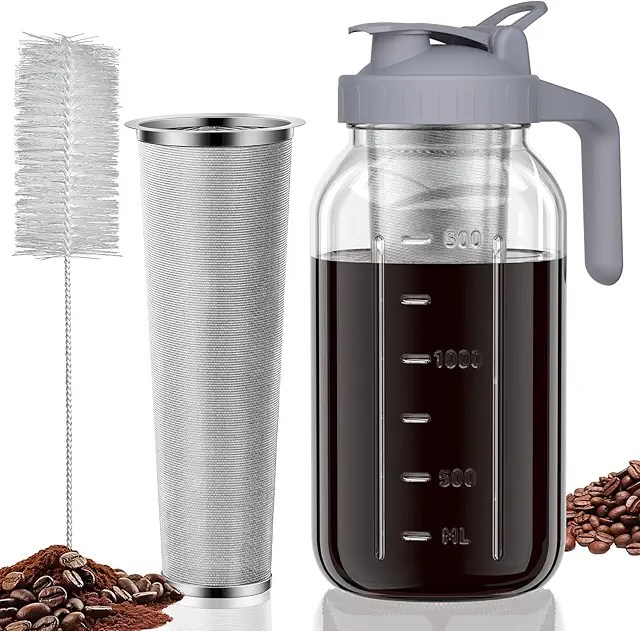
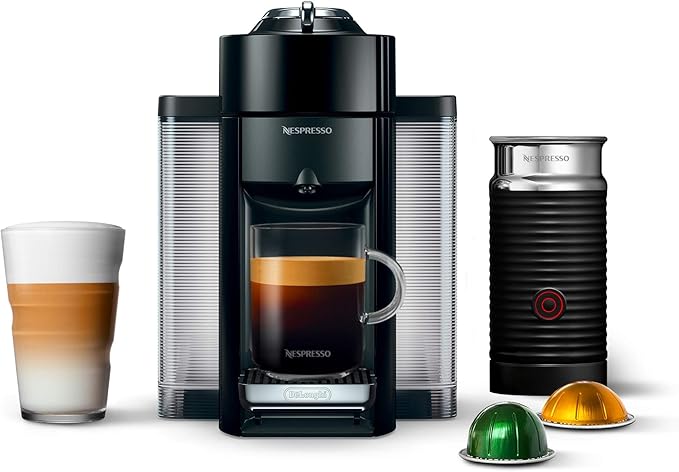
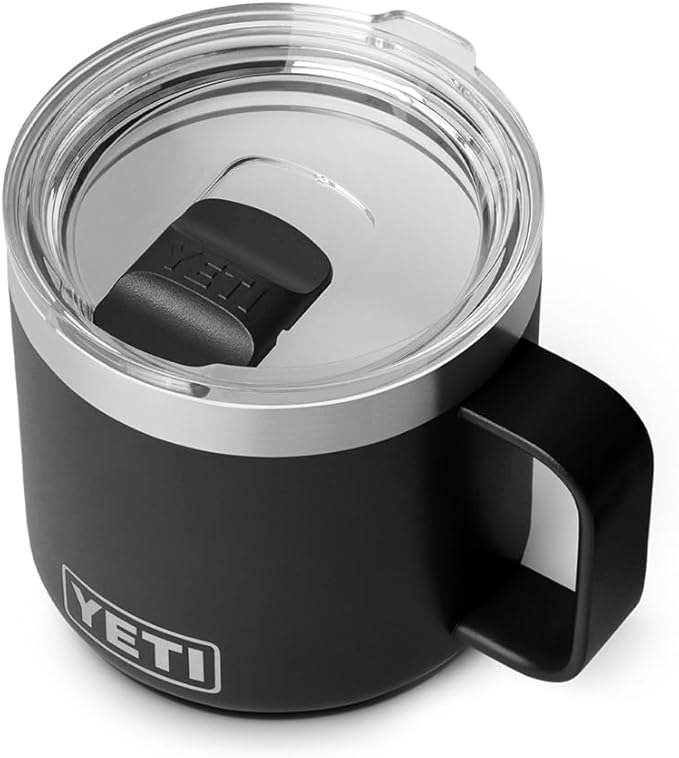
Some of the products I use at home to enjoy coffee:
Depending on where you live, the change in seasons can be beautiful—but also challenging. As daylight shortens and temperatures drop, it’s common to feel a dip in mood, energy, and motivation. Those gray days can make it harder to feel like yourself.
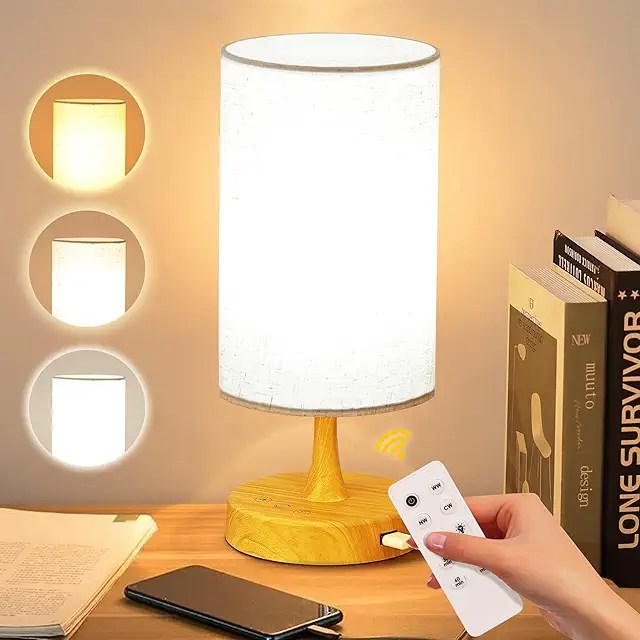
If you find it tough to adjust as the seasons shift, it might be time to try a happy lamp, also known as a light therapy lamp. These lamps are designed to mimic natural sunlight, helping to boost your mood, improve focus, and regulate your sleep patterns.
Just 20–30 minutes a day can make a difference—especially in the early morning. Many people use them while having coffee, reading, or getting ready for the day. The extra light signals to your brain that it’s time to wake up and feel alert, helping to combat the “winter blues.”
As the seasons change, remember to take care of yourself. Sometimes a little extra light is all you need to brighten your day and lift your spirits.
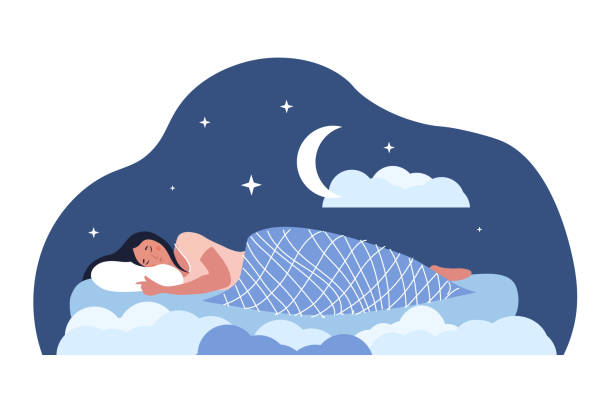
When it comes to helping babies/adults sleep, a reliable sound machine can be a game-changer. Enter the portable sound machine — a pocket-sized, lightweight device packed with features designed to create the perfect sleep environment for babies, kids, adults, and even the elderly.
Why This Sound Machine Stands Out Despite its compact size, this sound machine offers the highest volume on the market for mini sound machines, ensuring that it can effectively mask background noise, whether at home or on the go. Its portability means you can take it anywhere — from the nursery to travel adventures or even the office.
Features That Make Life Easier
30 Soothing Sleep Sounds: From white noise to lullabies, this sound machine provides a variety of calming options to suit different preferences.
32 Volume Levels: Adjust the sound precisely to what works best for your baby or environment.
Timer Setting: Set it to automatically turn off after a desired duration.
Memory Function: Picks up where it left off, even after being turned off.
Rechargeable Battery & Hanging Rope: Take it anywhere without worrying about constant battery changes, and hang it conveniently where needed.
Why It’s Perfect for Parents and Caregivers Whether you’re trying to help your baby sleep through the night, soothe a restless toddler, or even need background noise for adults in busy spaces, this portable sound machine is versatile and convenient. Its compact design and full functionality make it an essential tool for travel, home, or office use.
Napoleon Hill, best known for his classic Think and Grow Rich, often spoke about the destructive power of fear. He believed fear is the single biggest obstacle that prevents people from reaching their goals and fulfilling their potential. Hill identified six basic fears: fear of poverty, criticism, ill health, loss of love, old age, and death. Each of these fears, if left unchecked, can paralyze progress and keep us from living fully.
The truth is, most fears are imagined or exaggerated. They live in our minds, whispering doubt and uncertainty, but rarely reflect reality. Hill reminded us that fear is a choice. The moment we decide to replace fear with faith, courage, and action, we reclaim control over our lives.
So how do we remove fear? Hill advised beginning with awareness—naming the fear and recognizing how it shows up in your life. Next, replace negative thoughts with positive affirmations and clear goals. When we shift our focus from what we’re afraid of to what we want to create, fear begins to lose its grip.
Courage doesn’t mean we never feel fear—it means we move forward despite it. By confronting fear head-on, we grow stronger, more resilient, and closer to becoming the person we’re meant to be.
As Napoleon Hill famously wrote, “Fears are nothing more than a state of mind.” Once you understand that, you hold the key to freedom.
Most of us love a warm shower—it’s relaxing, soothing, and helps melt away stress. But what if you could make your showers even more beneficial by simply ending them with a burst of cold water? While it may sound uncomfortable at first, finishing your shower cold comes with several surprising benefits:
1. Boosts Circulation Cold water stimulates blood flow, which can improve overall circulation. Better circulation means more oxygen and nutrients are delivered throughout your body, leaving you feeling refreshed and energized.
2. Strengthens Your Immune System Studies suggest that exposing your body to short bursts of cold water may help activate your immune system. Regularly finishing showers cold could help your body build resilience against illnesses.
3. Improves Skin and Hair Health Hot water can strip away natural oils, leaving your skin dry and hair brittle. Cold water, on the other hand, tightens pores and helps lock in moisture, leaving your skin and hair looking healthier.
4. Increases Alertness and Energy That shock of cold water is like a natural shot of espresso. It wakes you up instantly, boosts energy levels, and can even improve your mood by triggering the release of endorphins.
5. Builds Mental Resilience Ending with cold water is a small act of discipline. Over time, it can strengthen your mindset, teaching you to lean into discomfort and come out stronger.
So next time you shower, turn the dial cold for just 30–60 seconds before stepping out. It may not be the most comfortable part of your day—but it could easily become the most empowering.
Sometimes we brush things off. A little ache here, a strange feeling there. Maybe it’s nothing, we tell ourselves. Maybe it will go away on its own.
But here’s the truth: if something feels off about your health, don’t wait. Don’t ignore it. Don’t talk yourself out of making that appointment.
Your body has a way of sending signals, and those signals are worth listening to. Early conversations with a doctor can bring peace of mind, catch issues before they become serious, and give you the clarity you need to move forward with confidence.
It’s easy to put off taking care of ourselves, especially when life gets busy. But your health is the foundation for everything else you want to do. Work, family, dreams, goals—none of them matter if you’re not well enough to enjoy them.
So consider this your reminder: if something feels off, don’t wait. Call your doctor. Take the step today that your future self will thank you for.
Because being proactive about your health isn’t just smart—it’s an act of self-respect.
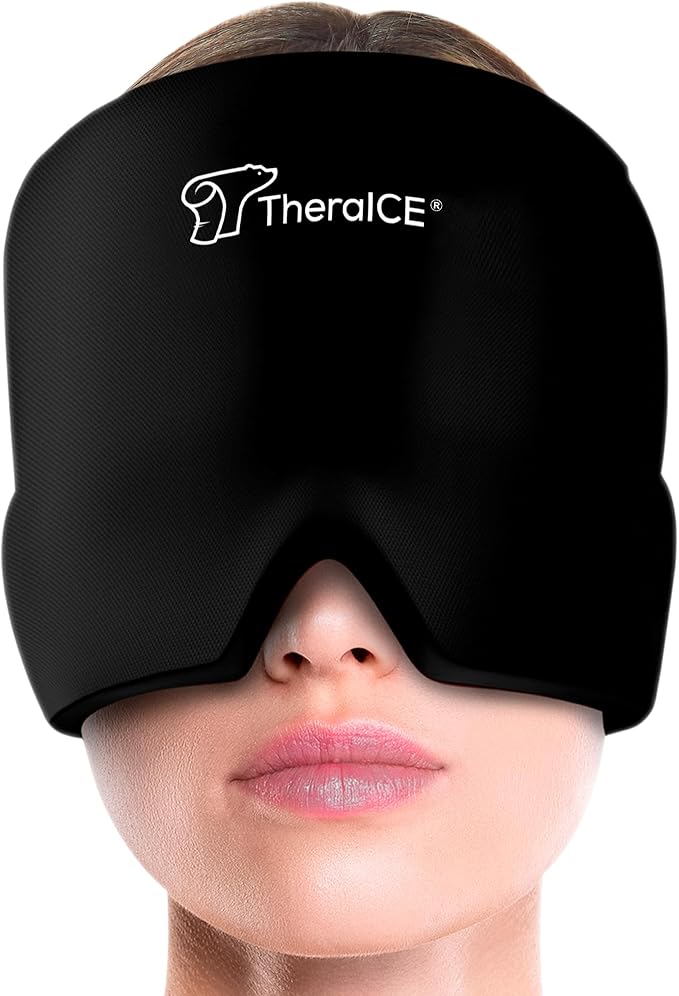
Headaches, tension, and stress can strike at any time, leaving you feeling drained and uncomfortable. While medications can help, sometimes you need a non-invasive, natural solution. That’s where the Hat Ice Pack Mask—also known as a face cold compress or cooling gel head wrap—comes in.
What It Is
This innovative product combines the convenience of a wearable head wrap with the cooling power of gel packs. Simply chill the mask in the fridge or freezer, then wear it over your forehead, eyes, or the back of your head. Its ergonomic design ensures it stays in place while you relax, work, or rest.
How It Helps
Relieves Headaches and Migraines: Cold therapy constricts blood vessels and reduces inflammation, helping to ease pain quickly.
Reduces Tension and Stress: The cooling sensation relaxes tight muscles in the forehead, temples, and neck.
Promotes Relaxation: Perfect for unwinding after a long day, meditation, or even a quick midday reset.
Reusable and Convenient: No need for constant ice packs—just refrigerate and reuse whenever you need relief.
Tips for Use
Store the mask in the freezer for maximum cooling power.
Apply for 15–20 minutes at a time to avoid overcooling sensitive skin.
Combine with deep breathing or a quiet space for optimal stress relief.
Whether it’s tension from work, stress from daily life, or a nagging headache, a Hat Ice Pack Mask offers an easy, drug-free way to feel better fast. Keep one on hand, and you’ll always have a quick solution to soothe your head, calm your mind, and reclaim your day.
Let’s talk about the never-ending cycle we all live in: dishes, laundry, cooking—rinse and repeat, right? I swear, it feels like I just put away clean dishes, and somehow, the sink is already plotting its next overflow. And don’t even get me started on laundry. You fold one load, and suddenly, the hamper is full again like it has its own agenda! It’s the reality of daily life—some tasks just keep coming back like an encore no one asked for.
But here’s a thought that’s been rattling around in my brain: What if we make time each day to do something that can’t be undone tomorrow? You know, something that sticks. Something that adds a little depth or joy to your day and doesn’t vanish into the abyss of “to-do” lists the next morning.
Take journaling, for example. I started the habit not long ago, and let me tell you, that entry isn’t going anywhere. There’s no magical fairy erasing your words overnight, and guess what? You won’t wake up with a blank journal page demanding to be filled again like your laundry basket. It’s kind of refreshing, right?
Same goes for reading. When you finish a chapter, no one’s going to say, “Hey, could you re-read that and fold some plot points while you’re at it?” The accomplishment stays put, and you can move on with your day. There’s no “undone” button for it, and frankly, that feels like a small victory.
I recently took a breather from the endless chores and planted a small herb garden. Each day, I water the plants and watch them grow, knowing I’m nurturing something that won’t be erased. Sure, I’ll have to tend to them, but the act of potting them—that’s done. It’s tangible, lasting, and hey, it smells a lot better than dirty dishes.
There’s something deeply satisfying about pouring your energy into tasks that don’t immediately fall apart the next day. You build momentum instead of feeling like you’re running in place. And let’s be real, sometimes we all need a break from the grind of repetitive chores to focus on something that will pay off later or just bring us a little joy.
So, do something today that won’t be undone tomorrow. Whether it’s journaling, reading a chapter of that book gathering dust, planting a flower, or learning something new, take time to create something lasting. Don’t let your day get swallowed by the routine. Because while some things, like laundry, are inevitable, your time and what you do with it doesn’t have to be.
Go ahead, give yourself permission to let the dishes wait—just this once. You’ll thank me tomorrow when the plant you potted is still sitting pretty and those journal pages are filled with thoughts you won’t have to redo.
Here’s to doing something today that leaves a mark tomorrow.
We all have someone we look up to—someone whose example pushes us to be better, to dream bigger, and to live with more purpose. Inspiration often comes from the people who care enough to lead the way, whether through their words, actions, or the quiet strength they show every day.
Think for a moment: Who is your inspiration? Who do you look up to?
For some, it’s a parent or grandparent who taught the value of hard work and integrity. For others, it’s a teacher who believed in them, a coach who pushed them past their limits, or even a friend who stood by them when life got tough. Sometimes, it’s a public figure whose courage or creativity reminds us that greatness often starts with small, consistent steps.
What matters most isn’t who inspires you, but how you let that inspiration shape your own life. Do you carry their lessons into your work? Do you mirror their kindness in your relationships? Do you strive to live by the values they’ve shown you?
At the end of the day, inspiration is like a spark—it lights something inside us. But it’s up to us to keep that flame alive, to turn admiration into action, and to pass it forward by becoming someone else’s source of inspiration.
Because we care, we remember that inspiration connects us all. So I’ll ask again—who do you look up to, and how will you honor their example in the way you live today?
Life can get overwhelming. Between work deadlines, family responsibilities, and the constant buzz of the world around us, sometimes you just need a break—a distraction to pull you out of the stress for a little while. But not all distractions are created equal.
The Quick Fix
We all know the easy escapes: scrolling through social media, binging TV, or reaching for snacks when we’re not hungry. They do the job in the moment, but often leave us feeling more tired or empty afterward.
The Healthy Reset
The better distractions are the ones that refresh instead of drain. They don’t just take your mind off things—they help you recharge so you can step back into real life with more energy. Try things like:
Taking a walk and soaking in fresh air
Losing yourself in a good book
Playing a board game or card game with family or friends
Journaling to clear your head
Listening to music that shifts your mood
These kinds of resets give you space without pulling you further down.
Everyone needs a distraction now and then. The key is choosing one that leaves you feeling lighter, not heavier. So the next time life feels like too much, reach for a reset that restores your energy and makes tomorrow a little easier.











 Because We Care® Life is Better