It’s simple: pick a color—any color—and then head outside. As you walk, focus only on that color. Look for it in leaves, signs, cars, clothing, flowers, buildings—everywhere. At first, you may not notice much. But then something amazing happens: that color begins to appear all around you, as if it was hiding in plain sight the whole time.
This little trick gets me out of my head in the best way. You know that mental checklist constantly looping in your brain? The errands, the deadlines, the conversations you keep replaying? On a color walk, that noise starts to fade. You’re no longer stuck in the past or anxious about the future. You’re just present—fully, beautifully present—with your color for that day.
The color walk reminds me how much I miss when I’m rushing. It’s a practice in slowing down, in seeing with intention, and in letting go of the need to always be doing something. It brings curiosity, childlike wonder, and a surprising sense of calm.
If you’re feeling overwhelmed or scattered, try it. Choose red. Or blue. Or yellow. Walk without a destination—just a mission to see. You might be surprised at what shows up… and how you feel afterward.
In our fast-paced, tech-filled world, a simple act stands out more than ever: a handwritten thank-you note.
There was a time when sending a thank-you card was second nature—after receiving a gift, attending a dinner party, or even just to show appreciation for a kind gesture. Now, we often replace it with a quick text or emoji. But something gets lost in the convenience. That “something” is sincerity, effort, and human connection.
Why Handwritten Notes Matter
A handwritten thank-you note takes time and thought. It says:
“You matter to me.”
“I noticed what you did.”
“I appreciate you.”
In an age of digital everything, it feels deeply personal to open an envelope and see someone’s handwriting. It’s a small act with big impact.
When to Send One
You don’t need a special occasion. Here are a few everyday reasons to dust off that stationery:
After receiving a gift
After a dinner or party
After someone lends a hand or offers advice
After a job interview
Just because someone made your day better
What to Say in Your Note
Keep it simple, sincere, and specific:
Greet them by name.
Say thank you clearly.
Mention the specific gift or gesture.
Say how it made you feel or how you’ll use it.
Close with warmth.
Reviving the Tradition
Taking the time to write and mail a thank-you note doesn’t just bless the recipient—it reconnects you to gratitude. It slows you down and reminds you to reflect on the goodness in your life.
It’s an old-fashioned practice with timeless value. So keep some notecards nearby. Next time someone does something thoughtful, surprise them with something that lasts longer than a text: your handwritten words.
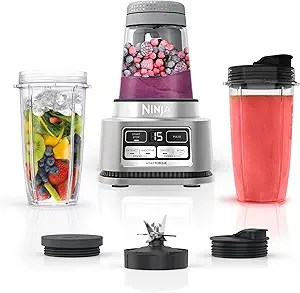
There’s something magical about a cold, refreshing smoothie on a hot summer day. It cools you down, satisfies your taste buds, and gives your body a quick hit of nutrients—all in one delicious glass.
Whether you’re lounging on the patio, heading out for a walk, or just trying to survive the summer heat, a smoothie is the perfect go-to. And the best part? You can pack it full of ingredients that fuel your body without weighing you down.
Why Smoothies Are a Summer Favorite
Smoothies are more than just a sweet treat—they’re a simple way to load up on vitamins, minerals, fiber, and hydration in one quick blend. They’re light, refreshing, and endlessly customizable. Plus, they can be as indulgent or as clean as you want them to be.
What to Include in a Nutritious Summer Smoothie
Here’s how to build a smoothie that’s both refreshing and nourishing:
Fresh or Frozen Fruit – Berries, mango, pineapple, watermelon, banana… fruit adds flavor, fiber, and natural sweetness.
Leafy Greens – Spinach, kale, or even Swiss chard disappear into the background while adding a punch of nutrients.
Liquid Base – Water, coconut water, almond milk, oat milk, or even green tea for a gentle energy boost.
Healthy Fats – Add avocado, flaxseed, chia seeds, or nut butter for creaminess and long-lasting energy.
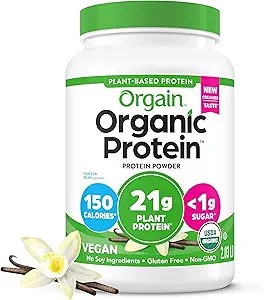
Protein Boost – Consider a scoop of Greek yogurt, a clean protein powder, or even silken tofu to keep you feeling full.
Optional Extras – A splash of lemon juice, a dash of cinnamon, or a handful of ice to keep things cool and bright.
One of My Go-To Summer Smoothie Recipes:
Tropical Green Glow Smoothie
1 cup frozen mango
½ banana
1 handful fresh spinach
1 cup coconut water
1 tablespoon chia seeds
Juice of ½ lime
Ice cubes (optional)
Blend until smooth and enjoy!
Sippable Wellness, All Summer Long Smoothies are a fun, fast way to care for your body during the summer months. Whether you’re looking to cool down, refuel, or simply treat yourself to something delicious, a nutrient-rich smoothie checks all the boxes.
Mother’s Day is a beautiful time to honor the love, strength, and guidance of the mothers and mother figures who shape our lives. For many, it’s a joyful celebration filled with flowers, brunches, and warm memories. But for others, this day can be tender, complex, or even painful.
Some are grieving the loss of a mother. Others may be navigating strained relationships, longing to become mothers, or reflecting on a role they never had the chance to fill. And for some, Mother’s Day brings a mix of gratitude and sorrow that words don’t easily explain.
If this day is hard for you—know that you are not alone.
Let’s make space for all of the emotions that can surface on Mother’s Day. Let’s honor the moms we’ve lost, the moms we never had, the ones we’re still healing from, and the ones we’re still becoming. Let’s remember that showing up with love—for ourselves and for others—is enough.
Whether you celebrate big, quietly reflect, or take a break from it all, may this day meet you with gentleness.
Beets have come a long way from being just a humble root vegetable on your dinner plate. Today, they’re powering smoothies, boosting workouts, and even showing up in your wellness routine in the form of powders and gummies. But what makes beets so special? And do beet powders and gummies really work? Let’s dig in!
Why Beets?
Beets are a natural source of:
Nitrates, which help improve blood flow and oxygen delivery
Antioxidants, especially betalains, which help reduce inflammation
Fiber, for digestive health
Essential nutrients like vitamin C, folate, potassium, and iron
These benefits translate into improved energy, better circulation, and even heart health.
Beet Powder: A Concentrated Boost
Beet powder is made by drying and grinding beets into a fine powder. It’s easy to scoop into a smoothie, water bottle, or pre-workout shake. Athletes often use beet powder to support endurance and stamina thanks to its ability to boost nitric oxide levels, which can help with performance and recovery.
Perks of Beet Powder:
Easily absorbed
Long shelf life
No need to cook or juice fresh beets
Great for pre-workout or morning energy
Beet Gummies: Wellness on the Go
If you’re not a fan of the earthy beet flavor, beet gummies might be your new favorite. These chewy, fruity supplements combine beet extract with other supportive ingredients like B12, pomegranate, or coenzyme Q10 to support heart health, energy, and focus.
Perks of Beet Gummies:
Portable and convenient
No prep or clean-up
Tasty alternative to powders or juices
Kid-friendly (and adult-approved!)
Whether you’re looking to feel more energized, support your heart, or just add a new superfood to your routine, beets are worth considering. Powder or gummy—choose what fits your lifestyle best. With a little consistency, you might just beet the afternoon slump, one scoop or chew at a time.
Everywhere you look lately—on social media, in podcasts, in fitness circles—there’s talk about getting enough protein. But what does that actually mean, and why does everyone suddenly seem obsessed with it?
Let’s break it down, simply.
What Is Protein, Really?
Protein is one of the three main macronutrients your body needs (the other two are carbs and fats). It’s made up of amino acids—think of them as building blocks your body uses to repair muscle, grow hair and nails, keep your immune system strong, and so much more.
Why Are People Talking About It?
Because protein helps with:
Muscle recovery and maintenance, especially after workouts.
Feeling full and satisfied, which can help with weight management.
Steady energy, since it slows digestion and helps balance blood sugar.
So when people aim to “get more protein,” they’re usually trying to support fitness goals, build strength, feel more full throughout the day, or just improve their overall health.
So… How Much Protein Do You Need?
There’s no one-size-fits-all answer, but a general guide is:
Sedentary adults: around 0.8 grams of protein per kilogram of body weight.
Active individuals: often need more—closer to 1.2 to 2.0 grams per kg.
In simpler terms: if you’re active and weigh 150 lbs, your target might be around 80–120 grams of protein daily. But talk to your doctor or a dietitian to find what’s right for you.
Plant-based: lentils, beans, tofu, tempeh, edamame, quinoa, nuts and seeds.
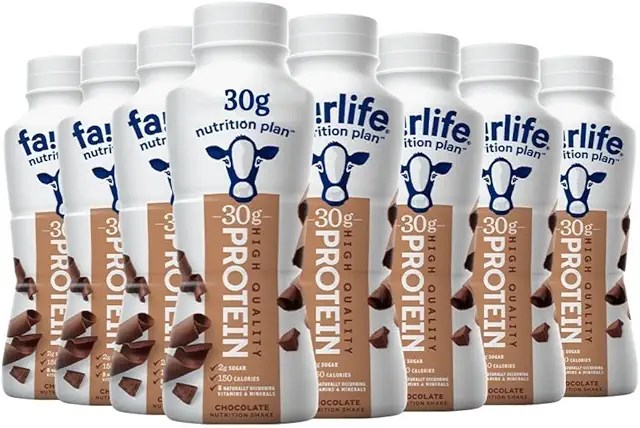
Protein powders: helpful if you’re in a rush or need an easy boost.
Yes, protein is important—but it’s not a magic bullet. Think of it as part of your overall health puzzle. If you’re mindful of including a little protein in each meal and snack, you’re likely doing better than you think.
So next time someone says, “You getting your protein in?”—you’ll know what they mean, and why it matters.
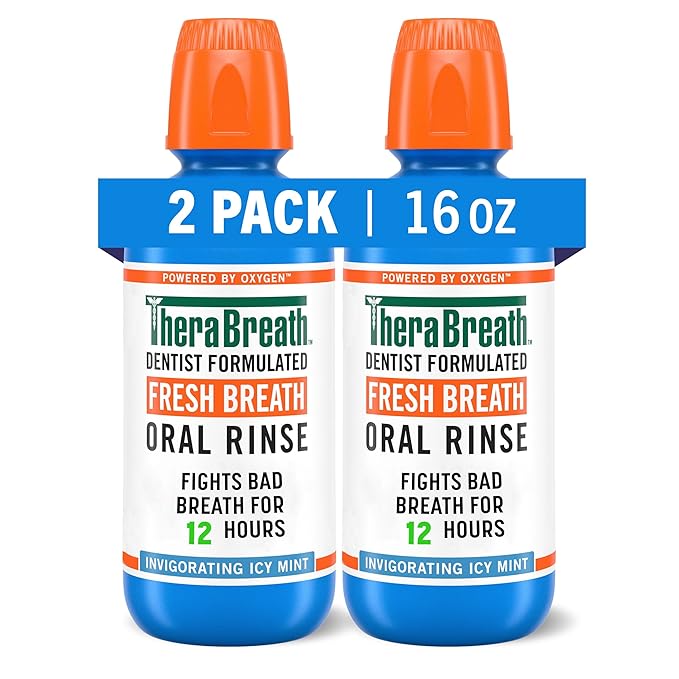
Let’s be honest—mouthwash isn’t exactly the most exciting part of anyone’s day. It stings, it swishes, it spits, and that’s usually the end of it. But maybe… just maybe, it’s time to take a second look at that bottle sitting by your sink.
If you’ve been using the same mouthwash since college—or just grabbing whatever’s on sale—it might be time for an upgrade.
Why It Might Be Time for a Change
Your needs have changed: Maybe you’re dealing with dry mouth, sensitive teeth, or looking for something alcohol-free. The right formula can make a big difference.
Better formulas are available: Mouthwash has come a long way. Today’s options include natural ingredients, probiotics, fluoride boosts, and even ones designed for oral microbiome health.
It’s not doing what it should: If you’re still dealing with bad breath or plaque buildup, your mouthwash might not be pulling its weight.
Too harsh? Many traditional mouthwashes contain alcohol, which can dry out your mouth and irritate your gums. Gentler, natural alternatives might be a better fit.
What to Look For in a New Mouthwash
Alcohol-free if you want something gentler
Fluoride for cavity prevention
Natural ingredients if you prefer fewer chemicals
Whitening agents for a smile boost
Fresh breath formulas that actually last
Switching mouthwash is a small change that can make a surprisingly big impact on your oral health—and your daily routine. So if your current rinse feels more like a chore than a helpful habit, maybe it’s time to try something new.
Some people drink coffee to start their day. Others scroll the news or head straight into work. Me? I grab my earbuds, lace up my shoes, and hit the pavement with Audible in my ears.
It’s become a little ritual I didn’t know I needed—part movement, part mindset, and a whole lot of mood-setting.
Here’s how it goes: I step outside, press play, and suddenly I’m not just walking—I’m adventuring, learning, or laughing depending on the day’s book. Sometimes it’s a business book that fires me up. Other times it’s a novel that gives me an emotional warm-up before I face my inbox. And occasionally, it’s something just for fun—because joy counts, too.
There’s something magical about letting someone else tell you a story while the world slowly wakes up around you. The combination of fresh air, a good story, and moving your body is like hitting a giant reset button.
Why I love it:
It sets a positive, intentional tone before the noise of the day kicks in
I feel like I’ve accomplished something before 9 a.m.
My step count goes up and my stress levels go down
I actually look forward to mornings (who am I??)
Pro tip: Always download your audiobook ahead of time, especially if you like wandering into spotty service areas like I do. Learned that one the hard way.
So if you ever feel like mornings are a bit too… morning-y, give it a shot. Grab some earbuds, choose a book that excites you, and take a little stroll. You just might find it’s the best thing you’ve done for yourself all day.
*Audible- until tomorrow is $0.99 for the first 3 months- Auto-renews at $14.95/mo after 3 months. Cancel anytime. Offer ends April 30, 2025.
Let’s talk about the fashion statement of the decade: the water bottle.
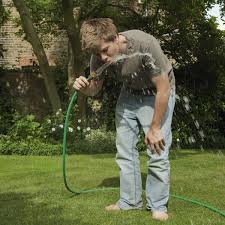
Have you noticed? These things are full-blown accessories now. I’m not even mad about it—it’s just funny. Because once upon a time (cue the nostalgic music), we didn’t have matching 40 oz stainless steel hydration stations with rubber straws and pastel colors. We had… a garden hose.
Yes, I’m aging myself here—but I survived on hose water and Kool-Aid. And I turned out (mostly) fine.
Back then, water wasn’t this glamorous thing. We didn’t track ounces in an app or carry emotional support bottles with motivational time stamps like “You’re doing great!” or “Almost there!” No one clapped for us when we hydrated. We just… got thirsty and found a spigot.
Now? Water bottles come with entire personalities:
The Stanley Cup Girlies™ with color-coordinated gym fits.
The Minimalist Sipper with matte black sleekness and zero branding.
The Sticker Bombed Emotional Companion that doubles as a scrapbook.
The Gallon Jug Warrior—bless you, your biceps must be amazing.
And don’t get me wrong—I get it. We’re all out here trying to drink more water, be more mindful, and stay hydrated. And hey, if carrying around a trendy water bottle gets you there, do your thing!
But just for a second, let’s raise our BPA-free, insulated tumblers in a toast to a simpler time—when water was warm, slightly metallic, and came straight from the side of the house. Unfiltered. Unapologetic. Underrated.
Cheers to hydration, whatever your style. And to the hose… thanks for the memories.
Let’s face it: to-do lists can be a double-edged sword. They’re meant to keep you organized and on track, but all too often, they end up feeling more overwhelming than helpful. The good news? There’s a better way to keep your to-do list from becoming a source of stress.
If you want your to-do list to actually work for you, not against you, here are three simple strategies to keep it effective, actionable, and easy to follow:
1. Break Tasks Into Bite-Sized Pieces
One of the biggest reasons to-do lists get overwhelming is when tasks are too vague or too big. “Finish project” or “Clean the house” are great ideas, but they’re not helpful in terms of execution. The key is to break down bigger tasks into smaller, specific actions.
Instead of writing “Finish project,” try:
Draft the outline.
Research key points.
Write the introduction.
Each step becomes its own task, making the process feel less intimidating. Plus, it gives you more moments of victory as you check things off!
2. Prioritize with the 3 Most Important Tasks (MITs)
A massive to-do list can easily turn into a never-ending scroll of tasks that feels impossible to conquer. Instead, focus on the “3 Most Important Tasks” (MITs) for the day.
Every morning, pick three things that are essential to move forward with your goals. These should be tasks that will have the biggest impact on your day, your career, or your personal life. Everything else is secondary. This prevents overwhelm and gives you a sense of purpose.
By the end of the day, if you’ve checked off your three most important tasks, you’ve had a productive day, no matter what else is left on the list.
3. Use Time Blocks, Not Just Checkboxes
It’s easy to get sucked into the trap of having a never-ending to-do list where you’re just checking boxes without truly doing the work. Time-blocking is the solution.
Instead of just saying, “Write report,” schedule a dedicated block of time: “Write report from 10:00 AM – 11:00 AM.” By allocating time for tasks, you’re giving yourself permission to focus fully on what’s at hand—without distractions—and you can avoid the temptation of jumping between tasks too quickly.
The point of a to-do list isn’t to overwhelm you with tasks but to make sure you stay focused on what truly matters. By breaking tasks into smaller chunks, prioritizing your most important tasks, and time-blocking for focused work, you’ll have a to-do list that works for you, not against you.
Remember, the best to-do list isn’t the one with the most items checked off—it’s the one that helps you achieve your goals, stay balanced, and feel in control.
Tools to help:
Noise-Cancelling Headphones
When time-blocking, it’s essential to have an environment free of distractions. Noise-cancelling headphones can help you concentrate better.










 Because We Care® Life is Better