You know how some people have a lucky hat, or a favorite mug that makes their morning coffee just a bit better? For me, it’s my blue pen. Not just pen—the pen. Smooth, just the right weight, no smudging, and a perfect ink that makes even my grocery list look important.
I don’t know when I first picked it up, but since then, it’s been my go-to for everything. To-do lists? Blue pen. Doodling during long calls? Blue pen. Signing something official like a birthday card or a Post-it note reminding myself to water the plants? You guessed it—blue pen.
There’s something about the ritual of uncapping it, the glide across paper, the satisfying loop of an “L” or the flourish of a signature. It’s not about the pen, really. It’s the small joy it brings. The way it makes ordinary things feel a little more special.
Maybe it’s silly to love a pen this much. But life’s made of small moments, and if a $2 writing utensil can make my day 5% better, I’ll call that a win.
Now if only I could stop losing it under stacks of paper…
When was the last time you really laughed—like, full-belly, can’t-catch-your-breath, tears-in-your-eyes kind of laughed?
If you had to think about it, it’s been too long.
It feels like we are constantly pushed to be serious, productive, and endlessly busy, How to Giggle: A Guide to Taking Life Less Seriously is a breath of fresh air. It’s not just a book—it’s a mindset shift. A permission slip to loosen up, lighten the load, and invite joy back into your daily life.
Laughing Is Not a Luxury—It’s a Life Skill
This book reminds us that giggling isn’t just for kids. It’s a powerful tool for staying grounded and resilient in a world that often feels heavy. When we take ourselves a little less seriously, we open the door to creativity, connection, and even healing.
Let Go of the Pressure to Be Perfect
One of the biggest lessons from How to Giggle is that perfectionism is overrated. The author encourages readers to embrace the messiness of life, laugh at their own mistakes, and stop comparing their behind-the-scenes to someone else’s highlight reel.
Because let’s be honest—nobody has it all together. And if they say they do, they’re probably overdue for a good giggle themselves.
Find the Funny in the Ordinary
You don’t need a comedy show to laugh more. Sometimes, humor hides in the mundane: a kitchen fail, an awkward moment, or a random conversation that spirals into silliness. How to Giggle teaches us to stay open to the ridiculous, the unexpected, and the beautifully imperfect.
Takeaway: Lighten Up to Level Up
Living your hero life doesn’t mean you have to be serious all the time. In fact, lightening up might just be the secret to going further. Giggling doesn’t mean you don’t care—it means you’ve chosen joy, even when life doesn’t hand it to you easily.
So here’s your challenge today: Laugh a little more. Let something go. Dance in your kitchen. Tell a joke, even if it’s terrible. And if all else fails—just smile at the absurdity of it all.
We’ve all been there. You sign up for something with the best of intentions. For me, it was a meal plan subscription. The idea was simple: make dinnertime easier, save time, reduce stress, and maybe even discover some new favorite recipes along the way. Sounds like a win, right?
But here’s the truth—I never used it. Not once. The emails piled up, the ingredients went unbought, and each passing day left me with a twinge of guilt. I spent money on something that didn’t work for me, and for a while, all I could focus on was the waste.
But now, with a little perspective, I’m seeing it differently. And if you’ve ever done something similar—whether it’s a gym membership, a course, or a subscription—you’re not alone. Here are the takeaways I’ve gathered:
1. It’s Okay to Try and Miss
Sometimes we won’t know if something fits until we try. Not everything is going to be the magic solution. Just because it didn’t work this time doesn’t mean the idea was bad or that you failed.
2. Be Kind to Yourself
We’re often our own harshest critics. Spending money on something that didn’t work can feel like a waste, but it was an investment in your intention to make life better. That’s still valuable.
3. Use It As Feedback
Clearly, something about that system didn’t match my lifestyle. That’s not a dead end—it’s data. Now I know I need a simpler approach, or maybe something more flexible. That’s useful insight for next time.
4. Just Because It Didn’t Work Now Doesn’t Mean It Won’t Ever
Sometimes the timing just isn’t right. I may revisit a meal plan system later—when life is a little less hectic or my routines are more structured.
5. You’re Still Making Progress
Even the “wrong turns” are part of the journey. You learned something. You moved forward. And that matters.
So if you’re feeling disappointed in yourself over something that didn’t go as planned—pause, take a deep breath, and be proud that you tried. Life is messy. Growth isn’t linear. But the effort to simplify, to improve, to care for yourself and your family? That matters.
And maybe tonight’s dinner will still be cereal and toast. That’s okay too. 😉
We’re all familiar with the endless to-do list: reply to emails, return client calls, schedule showings, cook dinner, walk the dog. It’s easy to let the day take control and push your peace of mind to the bottom of the list—if it makes it on there at all.
But what if, tucked between “drop off package” and “review listings,” you added one powerful task: meditate.
Why Meditation Deserves a Spot on Your List
Meditation isn’t about escaping the world—it’s about grounding yourself in it. Just five to ten minutes a day can reduce stress, improve focus, and help you respond rather than react. For business owners, parents, professionals, and anyone simply trying to do their best, that kind of clarity is gold.
It Doesn’t Have to Be Complicated
You don’t need incense, a cushion, or total silence. You just need to pause. Sit still. Breathe in. Breathe out. You can use a guided meditation app, a calming playlist, or simply focus on your breath.
Start Small
Try writing “Meditate – 5 min” on your planner or task list. Treat it like a non-negotiable appointment. Over time, it becomes less of a task and more of a treasured reset.
A Little Stillness Can Change a Lot
With all the noise around us, taking a moment to tune in can bring surprising strength. You’ll show up more centered, more creative, and more present—not just for your work, but for your life.
So go ahead. Add “meditate” to your list. And check it off with pride.
Sometimes, the people you expect to be your biggest cheerleaders—the ones who should be in your corner—aren’t. It stings. It feels lonely. And it makes you question everything.
You might be pursuing a new path, chasing a goal, or making a decision that feels right in your soul… but the support you crave just isn’t showing up the way you hoped. Instead of encouragement, you might get silence, skepticism, or even criticism.
Here’s the hard truth: not everyone will understand your journey. And that’s okay.
1. They Might Not See What You See
People often react through the lens of their own fears and limitations. If they wouldn’t take the same leap you’re taking, they might not understand why you’re doing it. Their doubt isn’t always about you—it’s often about them.
2. Validation is Nice, But Not Necessary
You don’t need everyone’s approval to keep going. The strength to keep showing up for your dream—even without applause—is part of what builds resilience. Let your belief in yourself be louder than their silence.
3. Support Can Come From Unexpected Places
Sometimes the best support comes from new connections—mentors, peers, or people who’ve walked a similar path. Stay open. Your “tribe” may be waiting in the next chapter.
4. Turn the Hurt Into Fuel
Instead of letting the lack of support break you down, let it light a fire. Show up. Do the work. Let your growth speak volumes.
You don’t need the world to believe in you to begin. Just one person will do—and that person is you.
You ever have one of those days where the smallest thing sets you off? Like dropping your toast—jelly side down—or realizing your favorite mug is in the dishwasher again? Yeah, we’ve all been there. And sometimes, when the world gets just a little too loud, the best remedy isn’t a deep breath or a motivational quote—it’s a good, old-fashioned cry.
Not the dramatic, movie-scene kind of cry. Just a “let-it-out-because-life-is-a-lot” kind of cry. The one that comes with a blanket, a pint of ice cream (or a bag of chips if you’re feeling salty), and maybe a favorite comfort movie playing in the background.
Crying isn’t weakness—it’s maintenance. It’s like an emotional car wash for your soul. You go in covered in grime and frustration, and come out feeling just a little lighter, a little more human, and surprisingly ready to face the next round.
So if the dam breaks and the tears fall, don’t apologize. Embrace it. Water your inner garden. And remember—sometimes the best way to pull it together is to fall apart for just a moment.
Then wipe your eyes, laugh at how dramatic you were, and keep going. Because you’ve got this. (And the toast wasn’t even that good anyway.)
It’s Monday morning, and I just caught myself hunched over my desk like a question mark. Sound familiar? Whether you’re diving into emails or sipping that first cup of coffee, posture often takes a backseat. But sitting up straight doesn’t just help your back—it boosts confidence, improves focus, and makes you feel more in control of your day.
Here are 3 simple ways to remind yourself to sit up straight:
1. Set a Posture Timer
Use your phone, watch, or computer to set a gentle reminder every 30 minutes. A soft buzz can be all it takes to do a quick posture check. Sit tall, roll your shoulders back, and realign your spine—it takes 5 seconds but can reset your entire body and mindset.
2. Create a Visual Cue
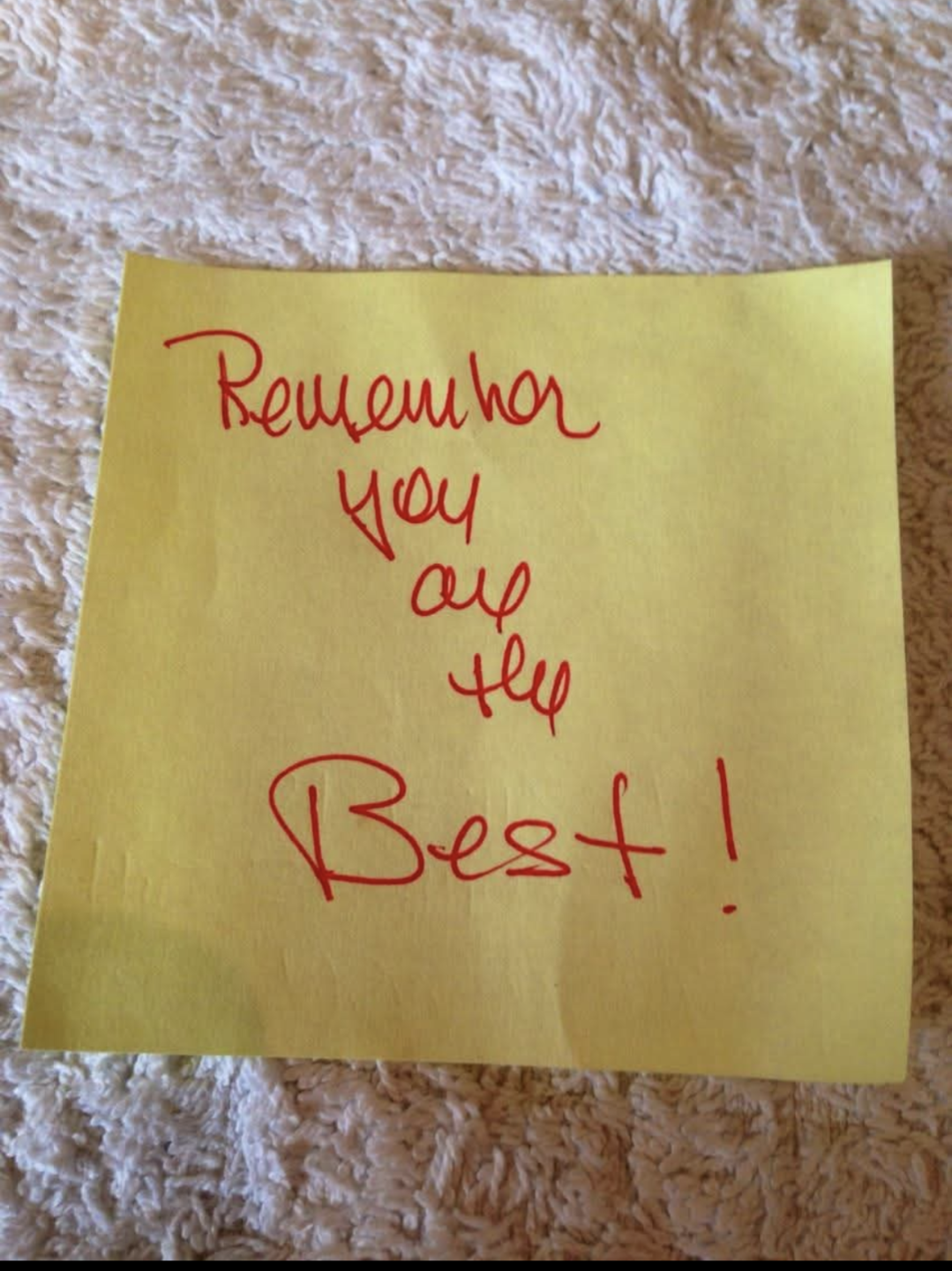
Place a sticky note on your monitor that says “Sit Tall” or “Posture Check.” You could even draw a little stick figure standing proud. Seeing that visual cue throughout the day is a subtle, but powerful, nudge to adjust your posture.
3. Adjust Your Workspace
If your chair or desk setup encourages slouching, it’s time for a mini-makeover. Keep your screen at eye level, feet flat on the floor, and use a small pillow or rolled-up towel for lower back support. When your space supports good posture, it becomes the default.
Sitting up straight might not change everything about your Monday—but it can give you a fresh start, a little more energy, and a reminder that you’re showing up for yourself today.
In the hustle and bustle of everyday life, certain household items tend to get overlooked when it comes to replacement. Many of these items might not seem like they need attention, but over time, they can lose their effectiveness or even pose a risk to your health and comfort. Let’s take a look at some of the most common items we don’t purchase new as often as we should and why replacing them regularly is crucial.
1. Mattresses
A good night’s sleep is essential for our health, yet many of us hold onto our mattresses far too long. Over time, mattresses lose their firmness and support, leading to discomfort and potential back issues. They can also accumulate dust mites, allergens, and bacteria, which can worsen allergies or respiratory issues.
How Often to Replace: Aim to replace your mattress every 7-10 years to ensure proper support and cleanliness. If you’re waking up with aches and pains, it might be time to start shopping for a new one.
2. Pillows
Much like mattresses, pillows can accumulate dust mites, sweat, and bacteria over time. They lose their shape, providing less neck support, and can even contribute to poor sleep hygiene. Even if you wash your pillowcases regularly, the pillow itself needs attention.
How Often to Replace: Replace your pillows every 1-2 years to maintain proper support for your head and neck, and to ensure a healthier sleeping environment.
3. Towels
Towels seem to last forever, but over time they lose their absorbency and can develop an unpleasant smell, even after washing. Old towels can become rough on the skin, which is especially uncomfortable after a bath or shower. If your towels are no longer as fluffy or absorbent as they once were, it’s time to upgrade.
How Often to Replace: Consider replacing your towels every 2-3 years or sooner if they start showing signs of wear, like fraying edges or fading colors.
4. Shower Curtains
Shower curtains are often the most neglected item in the bathroom. They accumulate mold, mildew, soap scum, and bacteria over time, which can negatively impact the air quality in your bathroom and contribute to an unpleasant smell. If your shower curtain has seen better days, it’s time for a change.
How Often to Replace: Ideally, replace your shower curtain every 6 months to 1 year, especially if it has visible mold or stains that can’t be removed.
5. Nonstick Cookware
Nonstick cookware is a staple in many kitchens, but its effectiveness diminishes as it wears out. Scratches, peeling, and wear-and-tear can render nonstick pans useless, and worse, the damaged coating can potentially leak harmful chemicals into your food. If your nonstick cookware has started to lose its nonstick ability, it might be time to say goodbye.
How Often to Replace: Replace nonstick cookware every 3-5 years or as soon as you notice damage or wear.
6. Toothbrushes
Toothbrushes are one of the most frequently used items in our daily routine, but they often don’t get replaced as often as they should. Worn-out bristles can make brushing less effective, and old toothbrushes can accumulate bacteria.
How Often to Replace: Aim to replace your toothbrush every 3-4 months to ensure effective cleaning and maintain good oral hygiene.
7. Fire Extinguishers
A fire extinguisher can be a lifesaver in an emergency, but many people forget to check their fire extinguishers regularly. Fire extinguishers lose pressure over time or may be damaged, rendering them ineffective when you need them the most. It’s essential to replace them when needed to ensure they’re in working order.
How Often to Replace: Check the pressure gauge monthly, and replace the fire extinguisher every 5-10 years, or if it’s expired or damaged.
8. Air Filters
Air filters in HVAC systems trap dust, allergens, and other particles, but they can become clogged over time. Clogged filters not only reduce the air quality in your home but also cause your system to work harder, leading to higher energy bills.
How Often to Replace: Replace air filters every 3 months, or more often if you have pets or live in a dusty environment.
9. Water Filters
If you have a water filtration system, it’s important to remember that the filter itself needs to be replaced regularly. Over time, the filter loses its ability to purify the water, which can result in a lower quality of drinking water and may allow bacteria or contaminants to slip through.
How Often to Replace: Follow the manufacturer’s instructions for replacement—typically, water filters should be replaced every 6 months to a year.
Regularly replacing household items may seem like a small task, but it can have a big impact on your comfort, health, and overall quality of life. By keeping track of the life cycle of these everyday items and replacing them on time, you’ll not only improve your home’s environment but also avoid unexpected headaches and expenses down the line. So take a moment to check on these items in your home and give yourself the peace of mind that comes from maintaining a clean, functional living space.
We often hear about the elusive “perfect balance” between family, work, and everything else life throws our way. The truth? It doesn’t exist.
There’s no magic formula where everything fits neatly into place. Instead, life is a constant dance of trial and error, shifting priorities, and doing the best we can with what we have. And that’s okay.
1. Balance Isn’t a Fixed State—It’s a Moving Target
Some days, work takes priority. Other days, family needs your full attention. Sometimes, you desperately need a moment for yourself. That’s not failure—that’s life.
💡 The key is to adjust, not to chase perfection.
2. Trial and Error Is the Only Way Forward
Finding what works for you takes experimentation. You’ll try schedules, routines, and strategies—some will work, some won’t. Instead of striving for perfection, aim for progress.
🔹 Set priorities, not impossible standards. 🔹 Learn from what doesn’t work and pivot. 🔹 Give yourself grace—every day is different.
3. Doing Your Best Is Enough
There will be days when you drop the ball. When emails go unanswered. When dinner is takeout (again). When you miss a workout or forget a school event. That doesn’t mean you’re failing—it means you’re human.
💡 The goal isn’t perfect balance—it’s to keep moving forward, adjusting as needed, and giving your best in the moment.
Forget the myth of perfect balance. Instead, embrace the ebb and flow. Life isn’t about getting it “just right” all the time—it’s about showing up, making choices that align with your values, and giving yourself permission to adapt.
Some days will feel chaotic. Some days will feel smooth. But through it all, you’re doing your best—and that’s more than enough.
We’ve all been there—you set aside five minutes to update your billing information or change your address with a provider, only to find yourself on hold for 45 minutes, navigating a confusing website, or dealing with endless verification steps. What should be a quick task turns into a frustrating time drain.
When this happens, it’s easy to feel impatient, annoyed, or even downright angry. But staying calm can make the experience much more manageable. Here’s how to keep your cool when a simple task takes way longer than expected.
1. Accept the Reality (Instead of Fighting It)
One of the biggest stressors in these situations is the expectation that things should go quickly. The reality? Many tasks take longer than they should. Once you accept that, you can adjust your mindset.
🔹 Shift your expectation – Instead of assuming a task will take five minutes, expect it to take longer. If it’s quicker, great! If not, you’re mentally prepared.
🔹 Remind yourself it’s temporary – This situation is annoying, but it won’t last forever. You’ll get through it, just like you have before.
2. Use the Wait Time Wisely
If you’re on hold or waiting for a slow website to load, instead of fuming, make the most of that time.
🔹 Multitask – Check emails, organize your desk, stretch, or even listen to a podcast while you wait.
🔹 Practice deep breathing – If frustration builds, take slow, deep breaths. Inhale for four counts, hold for four, and exhale for four. It helps calm your nervous system.
🔹 Keep a “waiting list” of small tasks – Having a list of things you can do while waiting (like responding to texts, making a grocery list, or deleting old photos from your phone) makes the time feel more productive.
3. Keep Perspective
It’s frustrating when small tasks take up valuable time, but in the grand scheme of things, this is a minor inconvenience, not a major crisis.
🔹 Ask yourself:Will I care about this in a week? Probably not.
🔹 Remember that the person helping you isn’t the enemy – Whether it’s a customer service rep or a website glitch, getting angry doesn’t speed things up. Staying polite and patient often gets better results.
🔹 Celebrate once it’s done – Even though it took longer than expected, cross it off your list and move on. The relief of finishing is worth it!
Life is full of little frustrations, but how we handle them determines our stress levels. By adjusting expectations, using the wait time wisely, and keeping perspective, you can turn an irritating situation into just another part of the day—without letting it ruin your mood.









 Because We Care® Life is Better