Tag Archives: emotions

Remember: Your Schedule and Routine Exist to Serve You, Not the Other Way Around

It’s easy to become trapped to your schedule, overwhelmed by endless to-do lists and rigid routines. However, it’s important to remember that your schedule is a tool designed to help you, not something that controls you. Here are three things that can help you reclaim control, making your routine work for you rather than the other way around.

1. Prioritize Flexibility

Routines are important for maintaining structure, but life isn’t always predictable. Instead of sticking to a rigid schedule that feels suffocating, build in flexibility. Allow some breathing room between tasks, so if something unexpected happens, it doesn’t throw your entire day off course. Flexibility helps you adapt to the changing demands of each day without the stress of falling behind.

Idea to help: Schedule “buffer zones” between meetings or tasks to catch up, rest, or handle unexpected priorities. Flexibility isn’t a weakness; it’s a key to staying calm and productive.

2. Focus on What Truly Matters

When you’re overloaded with tasks, it’s easy to confuse busyness with productivity. Not every task on your to-do list deserves equal attention. Take a moment to identify your top priorities—the tasks that actually move you closer to your goals—and focus your energy on those. Let go of the smaller, less important tasks that don’t add value to your day.

Idea to help: Each morning, pick the three most important tasks that will have the biggest impact on your goals and start with those. Remember, it’s about working smarter, not harder.

3. Give Yourself Permission to Take Breaks

Burnout happens when you push yourself too hard, trying to follow a schedule that doesn’t allow for breaks or downtime. If your routine leaves you feeling drained instead of energized, it’s time to rethink how you’re structuring your day. Taking regular breaks is essential for maintaining mental clarity and avoiding burnout.

Idea to help: Use techniques like the Pomodoro method—work for 25 minutes, then take a 5-minute break. Small breaks help you recharge and stay sharp throughout the day, making your routine more sustainable.

Reclaim Your Routine

Remember, your schedule should work for you, not the other way around. By staying flexible, prioritizing what matters most, and allowing yourself regular breaks, you’ll find that your routine becomes a powerful tool to help you reach your goals—without the stress of feeling overburdened.

Leave a comment

Filed under care, community, fitness, Fun, Healthy, Inspiration, motivation, organized

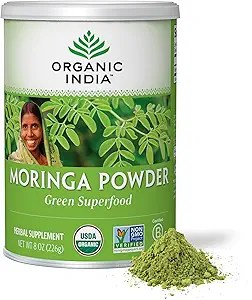
Boost Your Health with Moringa: A Powerful Addition to Your Routine

Moringa, often referred to as the “Miracle Tree,” is rapidly gaining popularity for its incredible health benefits. Packed with essential vitamins, minerals, and antioxidants, this superfood can easily be incorporated into your daily routine, helping to support overall well-being. If you haven’t heard of moringa yet, or you’re looking for more reasons to add it to your health regimen, here’s why you should give it a try.

Nutrient Powerhouse

Moringa is loaded with a wide array of nutrients, including:

  • Vitamins A, C, and E: These vitamins support immune health, skin vitality, and fight oxidative stress.
  • Calcium and Potassium: Essential for bone health, muscle function, and maintaining healthy blood pressure.
  • Protein: Moringa contains all nine essential amino acids, making it an excellent plant-based protein source.

Antioxidant and Anti-Inflammatory Properties

The leaves of the moringa plant are particularly high in antioxidants like quercetin and chlorogenic acid, which help neutralize harmful free radicals in the body. This can aid in reducing inflammation, which is linked to many chronic diseases such as arthritis, diabetes, and heart disease. By adding moringa to your daily health routine, you can help your body combat inflammation naturally.

Supports Energy and Digestion

For those struggling with low energy or sluggish digestion, moringa might be the perfect remedy. Its high iron content can support better oxygen circulation in the body, increasing energy levels. Additionally, the fiber in moringa helps regulate digestion and promotes a healthy gut, making it a gentle and effective option for digestive support.

How to Add Moringa to Your Routine

Moringa is versatile and easy to incorporate into your day. Here are a few simple ways to make it part of your health regimen:

  • Powdered Moringa: Mix it into smoothies, shakes, or sprinkle on salads.
  • Moringa Tea: Brew dried moringa leaves for a refreshing and nutrient-packed tea.
  • Capsules: If you’re looking for a no-fuss option, moringa supplements are available in capsule form.
  • Cooking: You can use fresh moringa leaves in soups, stews, and stir-fries.

Start Slow

If you’re new to moringa, start by adding a small amount to your diet and gradually increase the dosage. This will allow your body to adjust to its potent effects. Always consult with a healthcare provider if you’re pregnant, breastfeeding, have existing health concerns, or are taking medications, to ensure moringa is safe for you.

Incorporating moringa into your health routine can have profound effects on your energy levels, immunity, and overall wellness. It’s a natural, nutrient-dense addition that works well with any diet or lifestyle. Give it a try, and see how this miracle tree can work wonders for your health.

Moringa is a fantastic, natural way to take your wellness to the next level. Whether it’s in powder, tea, or capsule form, adding it to your health regimen can provide significant benefits. Just remember to check with your doctor before starting anything new, especially if you have health conditions or concerns.

https://amzn.to/4eDLB6e

Leave a comment

Filed under care, coffee, Healthy, motivation

Choosing Your Battles Wisely: Navigating Life’s Challenges with Purpose

With so many distractions, conflicts, and daily annoyances, it’s easy to find ourselves in a constant state of agitation. Whether at work, at home, or in our social lives, we often face situations that can trigger a strong reaction. However, not every issue deserves our energy and focus. Learning to pick your battles wisely is crucial for maintaining your peace of mind and effectively addressing the challenges that truly matter.

Understanding the Importance of Choosing Your Battles

Life is a series of choices, and how we respond to challenges can significantly impact our well-being and relationships. Picking your battles wisely means recognizing which issues are worth your time, energy, and emotional investment. It’s about discerning between trivial matters that can be let go and serious problems that require action.

By choosing your battles, you not only preserve your energy for what truly matters but also enhance your effectiveness in dealing with real issues. This approach allows you to maintain perspective and avoid unnecessary stress that can arise from engaging in every minor dispute.

Recognize What’s Worth Your Energy

The first step in choosing your battles is identifying what truly matters. Here are some guiding questions to help you assess whether an issue is worth addressing:

  • Is this issue impacting my well-being or the well-being of others?
    Focus on matters that affect your health, happiness, or relationships.
  • What are the potential consequences of ignoring this issue?
    If ignoring the situation could lead to larger problems down the line, it’s likely worth addressing.
  • Can this issue be resolved with a constructive conversation?
    If you believe open dialogue can lead to a positive outcome, consider addressing it.
  • Am I reacting out of frustration or principle?
    Sometimes, our emotions can cloud our judgment. Consider whether your reaction is based on a genuine concern or just a reaction to frustration.

Handling Real Problems with Care

Once you’ve identified an issue that warrants your attention, it’s time to handle it thoughtfully. Here are some strategies for effectively addressing real problems:

  1. Stay Calm and Centered
    Approach the situation with a clear mind. Take a moment to breathe, gather your thoughts, and prepare for a constructive conversation.
  2. Communicate Openly
    If the issue involves another person, engage in open and honest communication. Share your concerns without placing blame, and be receptive to their perspective.
  3. Seek Solutions, Not Blame
    Focus on finding a resolution rather than assigning blame. Collaborate to identify steps that can be taken to resolve the issue, keeping the lines of communication open.
  4. Know When to Let Go
    If the problem cannot be resolved, or if it continues to drain your energy, consider letting it go. Sometimes, the best course of action is to accept what you cannot change.

Embracing a Balanced Approach

By picking your battles wisely, you cultivate a more balanced approach to life’s challenges. You learn to conserve your energy for situations that truly matter, ultimately leading to more meaningful interactions and a greater sense of fulfillment.

In this journey, it’s essential to remember that not everything is the biggest deal. Many situations can be viewed with a sense of humor or perspective, allowing you to navigate life’s ups and downs with grace.

Live Intentionally

Choosing your battles wisely is about living intentionally. It empowers you to focus on what’s truly important, fostering healthier relationships and reducing unnecessary stress. As you practice this skill, you’ll find that you have more energy and resilience to tackle the real problems that come your way.

Take a moment today to reflect on your current challenges. Are there battles you’re fighting that aren’t worth your energy? By consciously deciding where to invest your time and emotional resources, you’ll navigate life’s complexities with greater clarity and purpose. Embrace the power of choice and handle real problems with confidence and care.

Leave a comment

Filed under care, community, Healthy, Inspiration, motivation, organized

Talk to Yourself Like a Friend: The Power of Saying Something Nice to Yourself

We’ve all been there—caught in a moment of self-doubt, frustration, or feeling overwhelmed by life’s challenges. In these moments, the way we talk to ourselves matters more than we realize. Imagine if you spoke to yourself the way you would to a close friend—with kindness, support, and encouragement. How would that change the way you feel, think, and act?

The Importance of Self-Talk

Our internal dialogue plays a huge role in shaping our self-esteem, motivation, and overall mental health. If you constantly criticize yourself or focus on your flaws, it’s easy to fall into a cycle of negativity and self-doubt. But if you consciously choose to speak to yourself in a positive, encouraging way, you create space for growth, confidence, and resilience.

Talking to yourself like a friend means offering yourself the same compassion and understanding you would give to someone you care about. After all, you spend more time with yourself than anyone else—why not make that relationship one of support and kindness?

Why You Should Say Something Nice to Yourself

Think about the impact a kind word from a friend can have on your mood or outlook. That same effect applies when you direct kindness inward. Saying something nice to yourself:

  • Boosts self-confidence: Affirming your strengths, talents, and efforts helps build a sense of worth.
  • Reduces stress: Positive self-talk can calm your mind, helping you handle challenges more effectively.
  • Improves resilience: Encouraging yourself through tough times helps you bounce back from setbacks and maintain focus on your goals.

How to Shift Your Self-Talk

If you’re used to being hard on yourself, it might take some time to adjust to kinder self-talk. But just like any habit, the more you practice, the easier it becomes. Here are a few ways to start:

  1. Be Mindful of Your Thoughts
    Pay attention to how you talk to yourself throughout the day. Are you quick to criticize when something goes wrong? Start by catching those negative thoughts and challenging them. Would you say the same things to a friend who’s going through the same situation?
  2. Practice Affirmations
    Positive affirmations are a great way to start building a habit of kind self-talk. Simple phrases like “I am capable,” “I’m doing my best,” or “I am worthy of success” can have a profound impact when repeated regularly.
  3. Celebrate Your Wins
    We’re often our own toughest critics, but it’s important to acknowledge your accomplishments—no matter how small. Did you finish a project? Handle a tough situation with grace? Remind yourself that you’re doing great and that every step forward counts.
  4. Forgive Yourself for Mistakes
    Everyone makes mistakes—that’s part of being human. When things don’t go as planned, don’t beat yourself up. Instead, treat yourself with the same understanding you’d extend to a friend. Say, “It’s okay, I’ll learn from this,” and move forward.

What Would You Say to a Friend?

Next time you’re caught in a moment of frustration or self-criticism, ask yourself: What would I say to a friend in this situation? You’d likely offer them comfort, reassurance, and a reminder that they’re capable. Offer yourself the same kindness. You deserve it.

The relationship you have with yourself is one of the most important in your life. By talking to yourself like a friend and saying something nice to yourself, you can foster greater self-compassion, boost your confidence, and cultivate a more positive mindset. Be kind to yourself—you’re doing better than you think, and you’re deserving of every bit of encouragement you can give.

Leave a comment

Filed under care, community, Fun, Healthy, Inspiration, motivation, organized

Common Scams on Facebook Marketplace and How to Avoid Them

Facebook Marketplace has become a popular platform for buying and selling everything from electronics to home goods. However, with its growing popularity, it has also become a hotspot for scammers looking to take advantage of unsuspecting users. Understanding common scams on Facebook Marketplace can help protect you from falling victim. Here are some of the most frequent scams to watch out for, along with tips to stay safe.

1. Bait-and-Switch Scam

Scammers will often post desirable items at low prices to lure potential buyers. Once interest is shown, they may switch to a different, often inferior item or suddenly increase the price.

  • How to Avoid: Be wary of deals that seem too good to be true. Ask questions about the item and request additional photos if the listing is vague.

2. Overpayment Scam

In this scam, the buyer “accidentally” overpays for an item and asks the seller to refund the difference. The original payment often turns out to be fraudulent, leaving the seller with no payment and having refunded real money.

  • How to Avoid: Only accept payment through secure methods, and never agree to refund overpayments. If someone overpays, wait for the payment to clear fully before taking action.

3. Fake Payment Confirmation

Scammers send fake payment confirmations or emails to convince the seller that they’ve paid. After the seller sends the item, the scammer disappears without making a legitimate payment.

  • How to Avoid: Always verify payments directly through your payment platform. Don’t rely on email confirmations—log into your account to confirm the transaction.

4. Advance Fee Scam

This scam involves buyers or sellers requesting a deposit or full payment upfront for high-value items like cars or rental properties. Unfortunately, the item either doesn’t exist or doesn’t match the description.

  • How to Avoid: Never send money upfront for items you haven’t seen or for transactions where the seller cannot verify the item exists. Meet in person or request a secure method of payment.

5. Phishing Scams

Scammers often send links that direct you to fake websites designed to steal personal information or install malware. These sites might look legitimate but are meant to trick you into providing sensitive data.

  • How to Avoid: Be cautious about clicking on links, especially if they seem suspicious. Verify URLs and never input personal or payment information unless you are certain the site is secure.

6. Counterfeit Goods

Products like electronics or designer items are offered at suspiciously low prices and turn out to be counterfeit or of low quality.

  • How to Avoid: If the price seems too low, it’s probably fake. Research the seller and ask detailed questions about the item. Look for reviews or feedback on their profile.

7. Rental Scams

Scammers post attractive rental listings and ask for payments upfront, but the property either doesn’t exist or isn’t actually available for rent.

  • How to Avoid: Never pay for a rental before viewing the property in person. Research the property address and confirm that the listing is legitimate.

8. Gift Card Scams

Some scammers ask for payment in the form of gift cards. Once you provide the card details, the scammer uses or resells them, leaving you without your money or item.

  • How to Avoid: Never pay for items using gift cards. Stick to secure payment methods that offer buyer protection, like PayPal.

9. Verification Code Scams

Scammers will ask you to share a verification code sent to your phone, which they can use to hijack your account or commit identity theft.

  • How to Avoid: Never share verification codes or personal information with anyone. These codes are meant for you only and should be kept private.

Tips to Avoid Facebook Marketplace Scams

  • Meet in Person: If possible, always meet in a public place, such as a police station parking lot, to complete the transaction.
  • Use Secure Payment Methods: PayPal offers buyer protection that can be beneficial for online transactions. Avoid cash for high-value purchases.
  • Check Profiles: Take a close look at the seller or buyer’s profile. New accounts, generic photos, or a lack of personal details can be red flags.
  • Be Skeptical of Unbelievable Deals: If the price is significantly lower than the market value, it’s likely a scam.
  • Stay on Marketplace: Avoid moving the transaction off Facebook Marketplace, as scammers often request to continue on other platforms or ask for non-secure payment methods.
  • Verify Identities: If you’re suspicious, ask for a video call or a mutual connection to verify the person.
  • Report Suspicious Activity: Facebook Marketplace has tools to report users who seem suspicious or engage in scammy behavior.

While Facebook Marketplace is a convenient platform for buying and selling, it’s crucial to stay vigilant to avoid scams.

Leave a comment

Filed under care, community, Inspiration, motivation, organized, sales

How Singing for Just 5 Minutes Can Transform Your Mood

Have you ever noticed how music can instantly lift your spirits, energize you, or even bring a sense of calm? Music has a unique ability to change our mood, and singing—whether in the shower, in the car, or along with your favorite tunes—can be an incredibly effective way to improve your emotional state. Even just 5 minutes of singing can make a difference, and here’s why.

The Science Behind Singing and Your Mood

When you sing, your body releases endorphins, also known as “feel-good” hormones. These natural chemicals promote a sense of happiness and well-being. Singing also stimulates the release of oxytocin, a hormone associated with stress relief and bonding, which explains why people often feel more connected when singing together in groups or choirs.

Even more, singing activates your vagus nerve, which is part of the parasympathetic nervous system and helps regulate your body’s relaxation response. This activation can lower stress levels, reduce anxiety, and promote a sense of calm.

How Singing for 5 Minutes Can Shift Your Mindset

You don’t need to be a professional singer or perform for hours to feel the benefits. Just 5 minutes of singing can have profound effects on your mental and emotional state. Here’s how:

1. Instant Mood Booster

Even if you’re feeling down, putting on a favorite song and singing along can instantly lift your mood. The act of singing, combined with the power of the music, can break negative thought patterns and shift your focus to something more positive.

2. Reduces Stress and Anxiety

Singing deepens your breathing, which helps calm your nervous system. This, in turn, can reduce the effects of stress and anxiety. By focusing on your breath and the rhythm of the song, you also give your mind a break from overthinking and worrying.

3. Increases Confidence

Singing out loud—even when no one is listening—can boost your confidence. It’s a form of self-expression that allows you to connect with yourself, and over time, it helps you feel more confident in your abilities and emotions.

How to Incorporate Music and Singing Into Your Day

Incorporating music and singing into your daily routine doesn’t have to be complicated. Here are some simple ways to start:

  • Morning Routine: Start your day by singing along to a feel-good song while getting ready. It’s a great way to set a positive tone for the rest of the day.
  • Work Breaks: Take a quick 5-minute singing break during your workday. Stand up, stretch, and sing your favorite tune to refresh your mind.
  • Car Karaoke: Use your commute or drive to run errands as an opportunity for a little car karaoke. Belt out your favorite tracks while driving and feel the stress melt away.
  • Wind Down: If you’re feeling stressed or overwhelmed, take 5 minutes in the evening to listen to some calming music and hum or sing along. It can help you relax and reset for the night ahead.

Music as a Mood Management Tool

Music, in general, is a powerful tool for managing your mood. Whether you’re singing, playing an instrument, or just listening, music helps regulate emotions and can be used as a form of therapy. Depending on what you need—energy, relaxation, or motivation—you can curate a playlist to match your emotional needs.

  • Uplifting Music: When you need a pick-me-up, upbeat songs with positive lyrics can quickly lift your spirits.
  • Relaxing Music: Calming tunes with slower tempos help when you’re feeling anxious or stressed.
  • Motivating Music: When you’re looking for inspiration, songs with powerful beats and motivational lyrics can help you stay focused and energized.

The Bottom Line: Music and Singing as Emotional Wellness Tools

Whether you’re feeling down, stressed, or just need an emotional reset, music and singing can be transformative. Just 5 minutes of singing can boost your mood, reduce anxiety, and help you feel more connected to yourself and others.

Next time you’re feeling overwhelmed or just want to elevate your mood, take a few minutes to sing along to a favorite song. You might be surprised by how quickly your outlook shifts!

https://amzn.to/3BijCKW
https://amzn.to/3ZvPNki

Leave a comment

Filed under care, community, fitness, Fun, Inspiration, motivation, organized

Feeling Stuck? 3 Tips to Help You Make Progress in Work, Family, and Life

Does it feel like you’re struggling to make progress, no matter what you do? Whether it’s in your work, relationships, or personal hobbies, that sense of stagnation can be frustrating. But what if the solution lies not in overhauling your life, but in making small, intentional changes? Here are three simple tips to help you feel like you’re moving forward and making progress in all areas of life.

1. Set Clear, Manageable Goals

One of the biggest reasons people feel stuck is that their goals are either too vague or too overwhelming. Without a clear direction, it’s hard to know where to start, let alone make progress. Break your goals down into manageable steps and focus on what you can accomplish today, this week, or this month.

  • Work: Instead of “grow my business,” set a specific goal like “reach out to five new clients this week.”
  • Family: Plan quality time with family, such as a weekly dinner or a weekend outing.
  • Friends: Schedule regular check-ins with friends, even if it’s a quick call or text.
  • Hobbies: Commit to dedicating just 15 minutes a day to a hobby you love.

2. Track Your Small Wins

It’s easy to lose sight of progress when we’re only looking at the end goal. However, every small win gets you closer to where you want to be. Keeping track of these wins, no matter how small, boosts your sense of accomplishment and keeps you motivated.

  • Work: Keep a daily or weekly log of tasks completed or challenges overcome.
  • Family: Celebrate the moments of connection, like a great conversation or shared laughter.
  • Friends: Acknowledge the small efforts you make to stay connected, whether it’s a quick message or a get-together.
  • Hobbies: Track your progress—whether it’s finishing a chapter in a book, completing a workout, or learning a new skill.

3. Be Kind to Yourself

Progress isn’t always linear, and it’s important to recognize that setbacks are part of the journey. Being hard on yourself can create stress and further stall your efforts. Instead, practice self-compassion and give yourself permission to take breaks when needed.

  • Work: Recognize when you need a break to recharge, and don’t beat yourself up over it.
  • Family: Understand that balancing family and personal life isn’t always easy, and it’s okay to ask for help.
  • Friends: Know that friendships evolve, and it’s okay if you’re not in constant contact with everyone.
  • Hobbies: Enjoy the process, not just the outcome. It’s okay to take your time.

Progress is Personal

Progress looks different for everyone. What’s important is that you keep moving, even if it’s just a small step. By setting clear goals, celebrating small wins, and practicing self-kindness, you’ll not only feel more productive but more fulfilled in all areas of your life.

Leave a comment

Filed under care, community, Fun, Healthy, Inspiration, motivation, organized

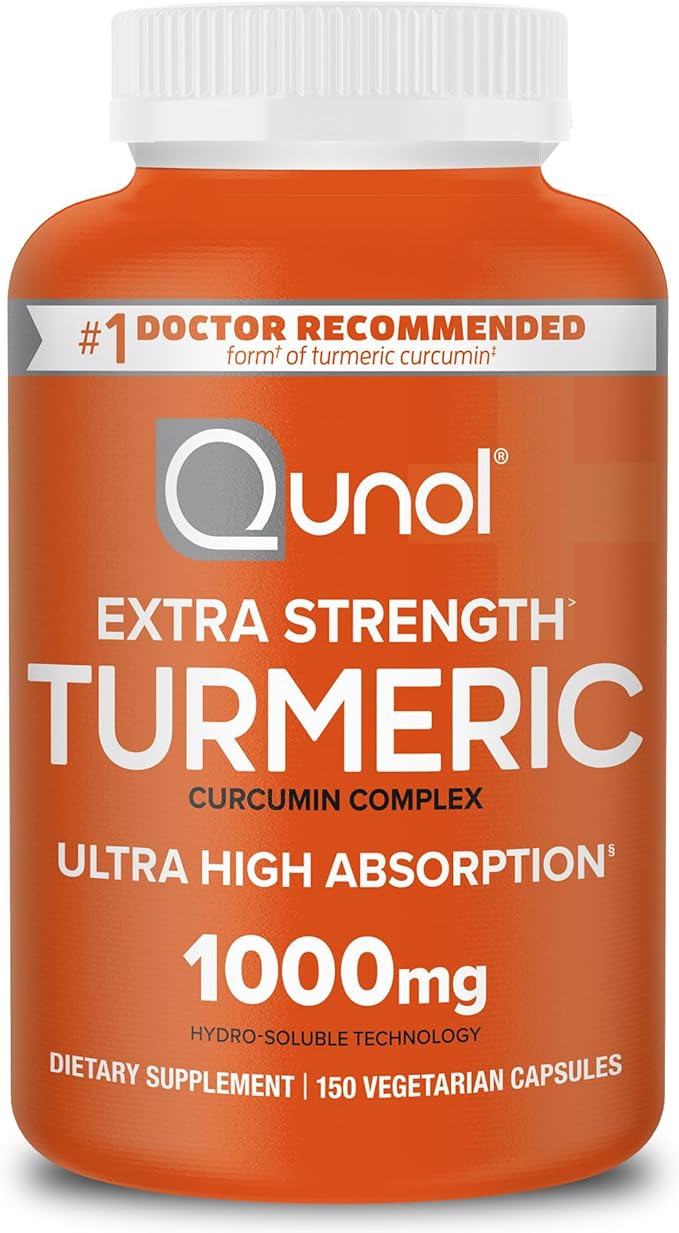
The Benefits of Taking Turmeric: A Golden Spice for Health

Turmeric, often called the “golden spice,” has been used for centuries in traditional medicine for its powerful health benefits. Whether you add it to your meals or take it as a supplement, turmeric is a natural way to enhance your wellness routine.

At the heart of turmeric’s benefits is curcumin, a compound with potent anti-inflammatory and antioxidant properties. These qualities make turmeric not only a flavorful addition to your kitchen but also a valuable tool for promoting overall health.

Key Health Benefits of Turmeric:

  1. Reduces Inflammation
    Chronic inflammation is linked to many health issues, from heart disease to arthritis. Curcumin in turmeric helps reduce inflammation in the body, offering relief and long-term health benefits.
  2. Boosts Immunity
    Turmeric’s antioxidants help strengthen the immune system, protecting your body from free radicals and promoting overall health and vitality.
  3. Supports Joint Health
    For those suffering from joint pain or arthritis, turmeric can provide natural relief. Its anti-inflammatory properties help reduce swelling and improve mobility.
  4. Improves Digestion
    Turmeric has been used traditionally to aid digestion and soothe the digestive tract. It helps stimulate bile production, improving digestion and reducing symptoms of bloating or gas.
  5. Enhances Brain Function
    Curcumin may also support brain health by improving memory and reducing the risk of cognitive decline, making it a potential aid for long-term mental clarity.

How to Incorporate Turmeric:

  • As a Spice: Add turmeric to curries, soups, or smoothies for a rich flavor boost.
  • In Tea: Make turmeric tea or golden milk for a warm, soothing beverage.
  • As a Supplement: For a more concentrated dose, turmeric supplements are available in capsule or powder form.

Tips for Better Absorption:

Curcumin alone has poor bioavailability, but you can enhance its absorption by pairing turmeric with black pepper, which contains piperine, or taking it with a healthy fat like coconut oil.

Incorporating turmeric into your daily routine can be a simple yet effective way to promote health and wellness. From reducing inflammation to supporting your immune system, this golden spice offers a natural solution for better living.

Disclaimer:
Before incorporating turmeric supplements into your routine, especially in larger doses, it’s important to consult with your healthcare provider. While turmeric is generally safe, it may interact with certain medications or conditions.

https://amzn.to/3ZiJLDq

Leave a comment

Filed under care, coffee, fitness, Fun, Healthy, Inspiration, motivation

Are You Better Today Than You Were Yesterday?

In the quest for personal growth and a fulfilling life, progress doesn’t always have to be monumental. Sometimes, the most significant improvements come from small, incremental changes. Reflecting on whether you’re better today than you were yesterday can be a powerful motivator and a guide to continuous improvement.

The Power of Incremental Growth

  1. Small Steps Lead to Big Changes
    It’s easy to get discouraged by the idea of achieving huge goals. However, focusing on small, daily improvements can be more manageable and sustainable. By making tiny adjustments and celebrating small wins, you create a path to larger accomplishments over time.
  2. Consistency Over Perfection
    Striving for perfection can often lead to frustration. Instead, aim for consistency in your efforts. It’s more about showing up every day and making steady progress rather than achieving perfection. Even minor improvements can add up to significant progress over time.
  3. Celebrate Small Wins
    Recognizing and celebrating small achievements can boost your motivation and confidence. Whether it’s improving a skill, being kinder to yourself, or making better choices, acknowledging these wins reinforces positive behavior and encourages continued growth.

Ways to Measure Daily Improvement

  1. Reflect on Your Achievements
    At the end of each day, take a moment to reflect on what you’ve accomplished. It could be something as simple as completing a task you’ve been putting off, learning something new, or handling a situation better than you did before.
  2. Set Micro-Goals
    Break down your larger goals into smaller, actionable steps. By setting and achieving these micro-goals, you create a sense of progress and can track improvements more easily. This approach helps maintain focus and momentum.
  3. Self-Assessment and Feedback
    Regularly assess your performance and seek feedback from others. Honest self-reflection and external feedback can provide valuable insights into areas where you’ve improved and areas that might need more attention.
  4. Practice Gratitude and Positivity
    A positive mindset can make a significant difference in how you perceive your progress. Practice gratitude by acknowledging the things you’ve done well and focusing on what’s going right in your life. This shift in perspective can enhance your sense of accomplishment.

Practical Examples of Daily Improvement

  • Skill Development: If you’re learning a new language, aim to practice a little each day. Even a short, daily session can lead to substantial progress over time.
  • Healthy Habits: Make small changes to your diet or exercise routine. Incremental improvements, like adding an extra serving of vegetables or a short walk, can contribute to overall health.
  • Personal Relationships: Focus on improving communication or spending more quality time with loved ones. Small efforts to be more present or understanding can strengthen relationships.

Embrace the Journey of Continuous Improvement

Being better today than you were yesterday doesn’t have to involve drastic changes. It’s about recognizing and appreciating the small steps that contribute to your growth. Embrace the journey of continuous improvement by focusing on incremental progress, celebrating small victories, and maintaining a positive outlook.

https://amzn.to/3AXzORS

Leave a comment

Filed under care, community, fitness, Fun, Healthy, Inspiration, motivation

Being Loyal to a Fault: When Loyalty Becomes a Liability

Loyalty is often seen as one of the most admirable traits in a person. Whether it’s in relationships, friendships, or work, being loyal signifies trustworthiness, commitment, and dependability. But like many virtues, loyalty can have a downside if taken too far. Being “loyal to a fault” means that your loyalty, while well-intentioned, might start to work against you.

The Danger of Over-Commitment

When we think of loyalty, we think of standing by someone or something through thick and thin. But what happens when the loyalty becomes blind? Over-commitment can lead to situations where you’re stuck in unhealthy relationships, unsatisfying jobs, or toxic environments simply because you feel obligated to remain loyal. This kind of loyalty can prevent you from making necessary changes and growth in your life.

Sacrificing Your Own Needs

Being loyal to a fault often means putting the needs of others before your own. While selflessness can be a beautiful quality, when taken to extremes, it can cause burnout, stress, and unhappiness. Constantly sacrificing your own well-being for the sake of others leads to an imbalance, making it hard to maintain personal boundaries. At some point, you have to ask yourself: Is my loyalty benefiting both parties, or is it coming at my own expense?

Ignoring Red Flags

Another pitfall of excessive loyalty is ignoring red flags in people or situations. Whether it’s a friendship that’s become one-sided or a job where you’re undervalued, blind loyalty can keep you from seeing the reality of the situation. You may stick around because of a sense of duty, even when you know deep down it’s time to move on. It’s important to recognize that being loyal doesn’t mean turning a blind eye to toxic behavior or letting others take advantage of you.

The Fear of Letting Go

One reason people stay loyal to a fault is the fear of letting go. The idea of leaving behind someone or something that’s been a significant part of your life can be daunting. You may fear the unknown, feel guilty, or worry about the consequences of walking away. But sometimes, letting go is the healthiest option. True loyalty isn’t about staying no matter what; it’s about being honest with yourself and others about what’s best for everyone involved.

Finding Balance in Loyalty

Being loyal is undoubtedly a strength, but like all strengths, it needs balance. Healthy loyalty means being there for others while also taking care of yourself. It’s about recognizing when your loyalty is being reciprocated and when it’s not. If you find yourself staying in a situation purely out of obligation, it might be time to reevaluate.

Ask yourself:

  • Is this loyalty helping me grow, or is it holding me back?
  • Am I sacrificing too much of myself for the sake of others?
  • Are my values and needs being respected in this relationship or situation?

By finding a balance, you can maintain your loyalty without compromising your well-being. Loyalty is about mutual respect, not self-sacrifice, and it should never come at the cost of your own happiness or peace.

Loyalty is a powerful force, but when taken to extremes, it can become more of a burden than a virtue. Being loyal to a fault means putting others ahead of yourself to the point where it negatively affects your life. To truly live a balanced and fulfilling life, it’s crucial to understand when loyalty is helping you and when it’s time to let go.

Leave a comment

Filed under care, community, Fun, Healthy, Inspiration, motivation