There’s no failure in sports. There are good days, and bad days, some days you are able to be successful, some days you are not, some days it’s your turn, and some days it’s not. That’s what sports is about. You don’t always win.
Sunsets are truly awesome. There’s something about the beauty of the setting sun that stops you in your tracks and makes you pause for a moment. Whether you’re walking through a park, sitting on a beach, or driving down the highway, catching a glimpse of a sunset can have a profound effect on your emotional state.
There are several reasons why sunsets are so incredible. For starters, the colors that fill the sky are truly breathtaking. The oranges, pinks, and purples that light up the horizon are a sight to behold, and they can instantly put you in a better mood. Seeing the sky ablaze with color is a reminder that there is beauty all around us, even in the midst of our busy lives.
Another reason why sunsets are so special is that they signal the end of the day. Watching the sun disappear below the horizon is a powerful reminder that each day is finite and that we should cherish every moment. It’s also an opportunity to reflect on the day that’s just passed and to think about what we want to accomplish in the days to come.
Sunsets can also be a shared experience. Whether you’re watching the sunset with a friend, a loved one, or a group of strangers, there’s a sense of camaraderie that comes with witnessing such a beautiful moment together. It’s a chance to connect with others and appreciate the beauty of the world around us.
And let’s not forget the simple pleasure of taking a break and slowing down to enjoy the moment. In our fast-paced world, it’s easy to get caught up in the hustle and bustle of daily life. But when we stop to watch a sunset, we’re reminded of the importance of taking a deep breath, being present at the moment, and enjoying the simple things in life.
So if you’re feeling stressed, overwhelmed, or just need a break from the chaos of life, take a few minutes to watch the sunset. Whether you’re alone or with others, it’s a surefire way to boost your emotional state and appreciate the beauty of the world around us.
Do you ever feel like your mind is cluttered with too many thoughts and ideas? Do you struggle to focus on the task at hand because you’re constantly distracted by other thoughts and to-dos? If so, then you may benefit from a brain dump.
A brain dump is a simple technique that involves writing down all of your thoughts and ideas on paper without any specific structure or organization. It’s a way to clear your mind and get all of your ideas out in the open so that you can better prioritize and focus on what’s important.
Here are some steps to follow when brain dumping:
Set aside some time: Choose a time when you can focus and won’t be interrupted. This could be early in the morning, during a lunch break, or in the evening.
Choose a medium: Decide whether you prefer to use pen and paper, a digital note-taking app, or another tool to record your thoughts.
Write down everything: Start writing down everything that comes to mind. Don’t worry about spelling, grammar, or punctuation. The goal is to get everything out of your head and onto paper.
Don’t judge: Avoid judging or analyzing your thoughts as you write them down. Just let them flow naturally.
Review and prioritize: Once you’ve finished brain-dumping, review what you’ve written and prioritize the most important tasks or ideas. This will help you stay focused on what’s most important and avoid getting overwhelmed by too many tasks.
Four easy brain dump ideas:
Daily To-Do List: Write down all the tasks you need to complete for the day. This can help you stay organized and focused, and it can also help you prioritize your tasks based on their importance.
Creative Writing: Take a blank sheet of paper and write down any thoughts or ideas that come to mind. This could include a story idea, a poem, or even just random thoughts. The goal is to get your creative juices flowing and let your ideas flow freely.
Goal Setting: Write down your short-term and long-term goals. This can help you clarify your priorities and develop a plan for achieving your goals. Be specific about what you want to achieve and set deadlines for yourself.
Mind Mapping: Write down a central idea in the center of a blank page, then draw branches out from the center and write down related ideas on each branch. This can help you visualize connections between different ideas and generate new insights and perspectives.
Brain dumping can be a powerful tool for improving focus, productivity, and creativity. By clearing your mind of clutter, you can free up mental space for more important tasks and ideas. Try brain-dumping for yourself and see how it can benefit your daily life.
In a world where we are constantly bombarded with messages about how we should look, act, and think, it can be easy to feel like we don’t belong. We compare ourselves to others, scouring their faces for any signs that we don’t measure up. We look for validation from the outside world, seeking confirmation that we are enough. But as Brené Brown points out, this constant evaluation is a trap that keeps us from truly belonging.
In her book “Braving the Wilderness,” Brown challenges us to stop walking through the world looking for confirmation that we don’t belong. She reminds us that true belonging and self-worth are not things that we can negotiate with the world. Instead, they are found within us, in our wild hearts. Our call to courage, then, is to protect that wild heart against constant evaluation, especially our own.
This message is particularly relevant in today’s world, where social media and other digital platforms make it easy to compare ourselves to others and seek validation from external sources. We can easily fall into the trap of believing that our worth is tied to the number of likes or followers we have. But as Brown reminds us, true belonging is about belonging to ourselves first and foremost. It’s about embracing our unique qualities and strengths, even if they don’t conform to societal norms.
One example of this can be seen in the world of entrepreneurship. Starting a business is a risky and often lonely endeavor, and it’s easy to feel like an outsider in a world that values success above all else. But successful entrepreneurs know that they must first believe in themselves and their vision in order to succeed. They must protect their wild hearts against the constant evaluation and criticism that comes with putting themselves and their ideas out there.
In the end, the message of Brown’s book is clear: no one belongs here more than you. True belonging is about embracing our own unique qualities and strengths, rather than trying to conform to the expectations of others. It’s about protecting our wild hearts against constant evaluation, and embracing the truth of who we are, even if it means standing alone. By doing so, we can cultivate a sense of belonging that is rooted in self-worth and authenticity, rather than external validation.
Managing multiple roles can be like juggling several balls at once, each one representing a different responsibility. It’s important to prioritize your responsibilities like a skilled juggler would prioritize the balls they’re juggling. Just like a good juggler knows their limits and when to catch a ball, you need to learn to say “no” when you have too much on your plate.
Asking for help or delegating tasks is like having an assistant or teammate to catch the balls that you can’t handle. A good team leader knows when to delegate tasks to their team members, just like a good caregiver knows when to ask for help from others.
Taking time for yourself can be like catching your breath in between juggling sets. Just like a professional athlete takes time to recover after a game, you need to schedule time to recharge and refocus. This can be as simple as scheduling a regular exercise routine or finding time to enjoy a favorite hobby.
Setting realistic expectations is like adjusting the height of the juggling balls to match your skill level. As a student, you might need to adjust your expectations for your grades while working a part-time job. It’s important to be realistic about what you can accomplish and not put too much pressure on yourself.
Learning to multitask is like juggling different types of balls at once. While it’s not always the best approach, there are times when it can be helpful. Listening to an audiobook while doing household chores or exercising while catching up on work emails are examples of multitasking that can save time and energy.
Managing multiple roles can be challenging, but it’s possible with the right strategies. Prioritizing responsibilities, learning to say “no,” delegating tasks, taking time for yourself, setting realistic expectations, and learning to multitask are all important skills to have when wearing many hats. So take a deep breath, and know that with practice, you can become a skilled juggler of multiple responsibilities
“Stay away from negative people. They have a problem for every solution.” This insightful quote highlights the significance of surrounding ourselves with positive influences to maintain a healthy and optimistic mindset. We will explore the impact of negative people, the importance of a supportive environment, and ways to promote positivity.
Negative people can drain our energy and enthusiasm.
A positive environment encourages growth and success.
We can create boundaries to protect ourselves from negativity.
We have the power to influence others with our positivity.
Cultivating a positive mindset can help us overcome challenges.
Example 1: Group Projects Imagine you’re working on a group project in school. If your teammates have a negative attitude, constantly complaining and criticizing, the entire team’s morale suffers. On the other hand, if positive, solution-oriented individuals surround you, the group’s energy and enthusiasm will be infectious, leading to a more enjoyable and successful project experience.
Example 2: Career Advancement Consider the story of Alex, who worked in a toxic office environment with negative coworkers. Their pessimistic attitudes and constant complaining made it difficult for Alex to maintain a positive outlook and focus on his career goals. Eventually, Alex sought a new job in a more supportive and encouraging workplace. The change in environment reinvigorated his passion for his career, and he achieved his desired success.
Example 3: Personal Goals Take the example of Lisa, who decided to pursue a healthier lifestyle by adopting a new fitness routine and eating habits. Initially, her friends were skeptical and often made discouraging remarks. Finally, Lisa joined a fitness group with like-minded, positive individuals who supported her goals. Their encouragement and positive reinforcement helped Lisa stay committed to her new lifestyle and achieve her health and fitness objectives.
Avoiding negative people and embracing a positive environment can profoundly impact our well-being, relationships, and success. We can overcome challenges and grow personally and professionally by creating boundaries, cultivating a positive mindset, and influencing others with optimism. Remember, “Stay away from negative people. They have a problem for every solution.” Instead, choose positivity, surround yourself with supportive individuals, and watch yourself flourish.
A light-hearted joke: Why did the scarecrow win an award? Because he was outstanding in his field! Just like the scarecrow, surrounding yourself with positivity can help you stand out and succeed.
Planets, stars, and constellations feature prominently in this beautiful, original poetry collection from Lang Leav. Inspired by the wonders of the universe, the best-selling poetess writes about love and loss, hope and hurt, being lost and found. Lang’s poetry encompasses the breadth of emotions we all experience and evokes universal feelings with her skillfully crafted words.
As an Amazon Associate, I earn on qualifying purchases.
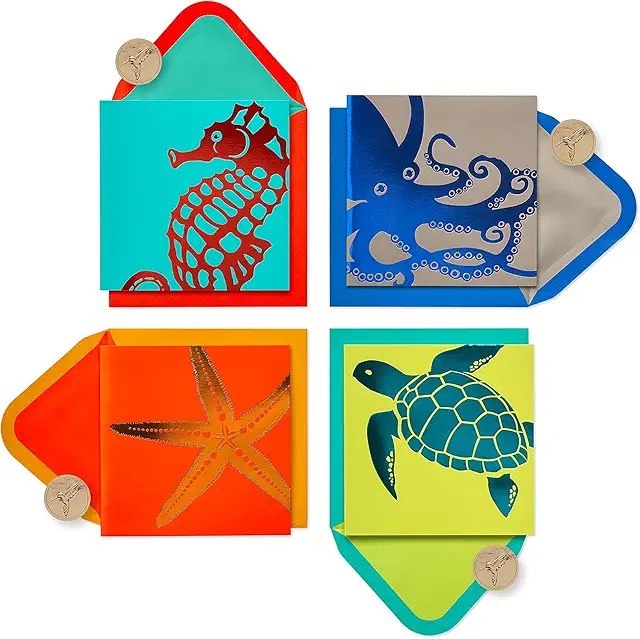
I was cleaning out the closet today and found a card a friend had sent me- it was just what I needed to see and was reminded how amazing something as simple as a handwritten note (and an amazing best friend) can have such a big impact. It got me thinking…here are some reasons why receiving a handwritten note can be so powerful:
It shows that someone cares: When someone takes the time to write you a note, it shows that they were thinking about you and wanted to reach out in a meaningful way.
It’s personal: In today’s digital age, handwritten notes are becoming increasingly rare. When you receive one, it feels more personal and meaningful than an email or text message.
It’s tangible: A handwritten note is something you can hold onto and revisit whenever you need a boost. It’s a physical reminder that someone cares about you.
It can brighten your day: Receiving a handwritten note can be a bright spot in an otherwise ordinary day. It can make you feel appreciated and valued.
It can deepen your connection with someone: When you receive a handwritten note, it can help deepen your connection with the person who sent it. It shows that you have a special bond that transcends everyday communication.
So, next time you’re thinking of reaching out to someone, consider writing them a handwritten note. It’s a simple gesture that can have a big impact!












 Because We Care® Life is Better