
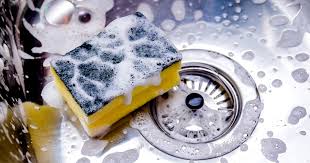
In the hustle and bustle of everyday life, certain household items tend to get overlooked when it comes to replacement. Many of these items might not seem like they need attention, but over time, they can lose their effectiveness or even pose a risk to your health and comfort. Let’s take a look at some of the most common items we don’t purchase new as often as we should and why replacing them regularly is crucial.
1. Mattresses
A good night’s sleep is essential for our health, yet many of us hold onto our mattresses far too long. Over time, mattresses lose their firmness and support, leading to discomfort and potential back issues. They can also accumulate dust mites, allergens, and bacteria, which can worsen allergies or respiratory issues.
How Often to Replace: Aim to replace your mattress every 7-10 years to ensure proper support and cleanliness. If you’re waking up with aches and pains, it might be time to start shopping for a new one.
2. Pillows
Much like mattresses, pillows can accumulate dust mites, sweat, and bacteria over time. They lose their shape, providing less neck support, and can even contribute to poor sleep hygiene. Even if you wash your pillowcases regularly, the pillow itself needs attention.
How Often to Replace: Replace your pillows every 1-2 years to maintain proper support for your head and neck, and to ensure a healthier sleeping environment.
3. Towels
Towels seem to last forever, but over time they lose their absorbency and can develop an unpleasant smell, even after washing. Old towels can become rough on the skin, which is especially uncomfortable after a bath or shower. If your towels are no longer as fluffy or absorbent as they once were, it’s time to upgrade.
How Often to Replace: Consider replacing your towels every 2-3 years or sooner if they start showing signs of wear, like fraying edges or fading colors.
4. Shower Curtains
Shower curtains are often the most neglected item in the bathroom. They accumulate mold, mildew, soap scum, and bacteria over time, which can negatively impact the air quality in your bathroom and contribute to an unpleasant smell. If your shower curtain has seen better days, it’s time for a change.
How Often to Replace: Ideally, replace your shower curtain every 6 months to 1 year, especially if it has visible mold or stains that can’t be removed.
5. Nonstick Cookware
Nonstick cookware is a staple in many kitchens, but its effectiveness diminishes as it wears out. Scratches, peeling, and wear-and-tear can render nonstick pans useless, and worse, the damaged coating can potentially leak harmful chemicals into your food. If your nonstick cookware has started to lose its nonstick ability, it might be time to say goodbye.
How Often to Replace: Replace nonstick cookware every 3-5 years or as soon as you notice damage or wear.
6. Toothbrushes
Toothbrushes are one of the most frequently used items in our daily routine, but they often don’t get replaced as often as they should. Worn-out bristles can make brushing less effective, and old toothbrushes can accumulate bacteria.
How Often to Replace: Aim to replace your toothbrush every 3-4 months to ensure effective cleaning and maintain good oral hygiene.
7. Fire Extinguishers
A fire extinguisher can be a lifesaver in an emergency, but many people forget to check their fire extinguishers regularly. Fire extinguishers lose pressure over time or may be damaged, rendering them ineffective when you need them the most. It’s essential to replace them when needed to ensure they’re in working order.
How Often to Replace: Check the pressure gauge monthly, and replace the fire extinguisher every 5-10 years, or if it’s expired or damaged.
8. Air Filters
Air filters in HVAC systems trap dust, allergens, and other particles, but they can become clogged over time. Clogged filters not only reduce the air quality in your home but also cause your system to work harder, leading to higher energy bills.
How Often to Replace: Replace air filters every 3 months, or more often if you have pets or live in a dusty environment.
9. Water Filters
If you have a water filtration system, it’s important to remember that the filter itself needs to be replaced regularly. Over time, the filter loses its ability to purify the water, which can result in a lower quality of drinking water and may allow bacteria or contaminants to slip through.
How Often to Replace: Follow the manufacturer’s instructions for replacement—typically, water filters should be replaced every 6 months to a year.
Regularly replacing household items may seem like a small task, but it can have a big impact on your comfort, health, and overall quality of life. By keeping track of the life cycle of these everyday items and replacing them on time, you’ll not only improve your home’s environment but also avoid unexpected headaches and expenses down the line. So take a moment to check on these items in your home and give yourself the peace of mind that comes from maintaining a clean, functional living space.










 Because We Care® Life is Better