
Tag Archives: mindfulness

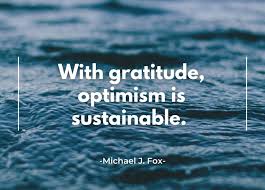
With Gratitude, Optimism Is Sustainable

Optimism gets a lot of attention. We’re told to stay positive, look on the bright side, and keep our mindset strong no matter what. But anyone who has lived a little knows that optimism without a foundation can feel forced. It can crack under pressure. It can fade when life gets heavy.

That’s where gratitude comes in.

Gratitude gives optimism roots.

When you practice gratitude, you’re not pretending everything is perfect. You’re acknowledging what’s real, what’s present, and what’s still good—even when things aren’t going the way you planned. That honesty is what makes optimism sustainable.

Blind positivity says, “Everything is fine.”
Gratitude says, “Some things are hard, and some things are still good.”

That difference matters.

When optimism is built on gratitude, it’s no longer dependent on ideal circumstances. You don’t need everything to be going right to believe things can get better. You don’t need constant wins to maintain hope. You’re anchored in appreciation for what already exists.

Gratitude trains your mind to notice possibility.

It shifts your focus from what’s missing to what’s available. From what went wrong to what you can work with. From scarcity to opportunity. And from that place, optimism becomes practical, not performative.

Sustainable optimism isn’t loud.

It’s quiet.
Steady.
Patient.

It shows up as a willingness to try again.
A belief that progress is possible.
A commitment to keep moving forward even when you don’t feel inspired.

Gratitude fuels that kind of optimism.

When you start your day recognizing a few things you’re thankful for—your health, your effort, your support system, your chance to begin again—you give yourself emotional traction. You create momentum before the day even unfolds.

That doesn’t mean you ignore frustration, disappointment, or fatigue. It means you don’t let them be the only voice in the room.

With gratitude, you make space for hope.

You begin to see setbacks as temporary.
Challenges as workable.
And yourself as capable.

Optimism built on hype burns out.
Optimism built on gratitude lasts.

So if you’re looking for a mindset that can hold up over time, start simple.

Notice what’s still good.
Acknowledge what’s still working.
Appreciate what you already have.

With gratitude, optimism isn’t just possible.

It’s sustainable.
Leave a comment

Filed under care, community, fitness, Fun, Healthy, Inspiration, motivation, organized, sales, Travel, Uncategorized, walk

Is It Time to Take a Break from Scrolling? Here Are 3 Signs You Should and Tips for Limiting Screen Time

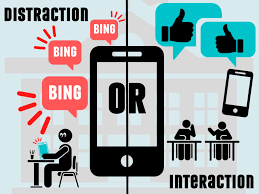
It’s easy to get lost in the endless stream of content on our phones and computers. Scrolling through social media, news feeds, and other apps can quickly become a mindless habit that eats up hours of our day. But how do you know when it’s time to take a break from scrolling? Here are three signs that you might need to step back and some tips on how to limit your screen time effectively.

1. Feeling Overwhelmed or Anxious

If you find yourself feeling anxious, overwhelmed, or stressed after spending time on your phone, it’s a clear sign that you need a break. Constant exposure to negative news, unrealistic social media portrayals, and endless notifications can take a toll on your mental health.

Solution: Try setting specific times during the day to check your phone and stick to these designated periods. This can help you stay informed without feeling bombarded by constant updates. Additionally, consider unfollowing or muting accounts that contribute to your stress or anxiety.

2. Lack of Productivity

When scrolling becomes a significant part of your day, it can interfere with your productivity. If you notice that you’re procrastinating more and struggling to complete tasks, it’s time to evaluate your screen time habits.

Solution: Implement the Pomodoro Technique, which involves working for 25 minutes followed by a 5-minute break. Use these breaks to stretch, take a walk, or do something offline. This method can help you stay focused and reduce the urge to scroll mindlessly.

3. Physical Discomfort

Extended screen time can lead to physical discomfort such as eye strain, headaches, and poor posture. If you’re experiencing these symptoms, it’s a sign that you need to reduce your screen time.

Solution: Follow the 20-20-20 rule: every 20 minutes, look at something 20 feet away for at least 20 seconds. This helps reduce eye strain. Also, ensure that your workspace is ergonomically friendly to maintain good posture and prevent discomfort.

Do You Limit Your Scrolling Time?

Limiting scrolling time is essential for maintaining a healthy balance in your life. Here are a few tips to help you manage your screen time:

  • Set Screen Time Limits: Most smartphones have built-in features that allow you to set daily screen time limits for specific apps. Use these tools to keep your scrolling in check.
  • Create No-Phone Zones: Designate certain areas of your home, like the dining room or bedroom, as no-phone zones to encourage face-to-face interactions and better sleep hygiene.
  • Engage in Offline Activities: Find hobbies and activities that don’t involve screens, such as reading, gardening, or exercising. These can provide a much-needed break from digital devices and help you reconnect with the physical world.

Recognizing the signs that you need a break from scrolling is the first step towards better digital health. By implementing simple strategies to limit your screen time, you can improve your mental well-being, boost productivity, and reduce physical discomfort. Remember, it’s all about finding a balance that works for you.

Leave a comment

Filed under care, coffee, community, Fun, Healthy, Inspiration, motivation