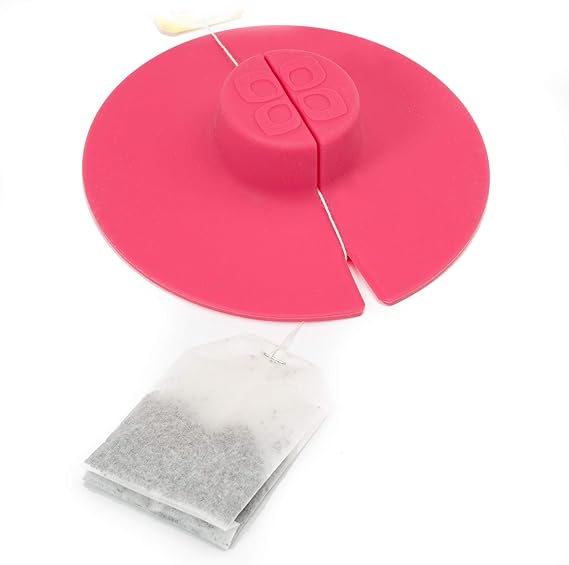
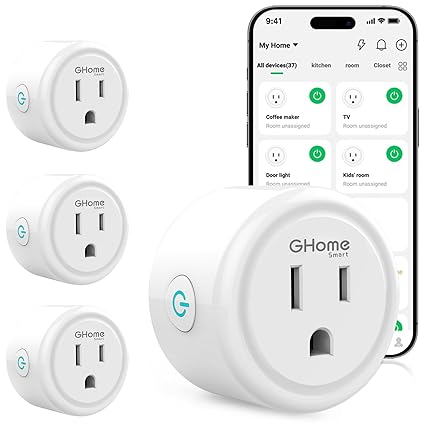
Life is busy, and it’s easy to get caught up in the hustle, putting everyone else’s needs before our own. But here’s a gentle reminder: prioritizing your well-being isn’t selfish—it’s essential. Think about it: if you don’t take care of yourself, who will?
1. Prioritizing Self-Care Isn’t Selfish
Taking time for yourself doesn’t mean you’re ignoring others. In fact, you’re actually making it easier to show up as your best self for the people you care about. Whether it’s through exercise, journaling, reading, or just sitting in peace with a cup of tea, these moments refuel us, helping us to approach life with energy and resilience.
2. Small Moments, Big Impact
Sometimes, it’s the small things that make the biggest difference. You don’t need to carve out hours for a spa day to make self-care a priority. Start with small steps—taking deep breaths, stretching, or even stepping away from your phone for a few minutes. These little breaks add up, creating space for you to recharge mentally and physically.
3. Boundaries Are Essential
Setting boundaries is one of the best ways to prioritize yourself. It’s okay to say no. Not every request, invitation, or project needs to be added to your to-do list. Protect your energy and time, and remember that setting boundaries helps others learn to respect your needs as well.
4. Check In With Yourself
Listen to your body and your mind. Are you feeling drained? Anxious? Irritable? Often, these are signals that it’s time to take a step back. Schedule regular check-ins with yourself to see what you need—whether it’s a good night’s sleep, a laugh with friends, or some time alone.
5. Remember, You Deserve It
Maybe you’re thinking, But I have so many responsibilities! We all do, but you can’t pour from an empty cup. Prioritizing yourself allows you to be a better friend, partner, parent, or colleague. You deserve to feel your best, and taking time for yourself is how you get there.
Start Today
Let this be the day you begin putting yourself first, even in small ways. Because if you don’t make yourself a priority, who will? Remember, taking care of yourself isn’t a luxury—it’s a necessity.
Have you ever felt instantly more relaxed when you’re barefoot on grass or walking along the shore? That sensation may be more than just a moment of calm—it could be the benefits of grounding (or earthing), a practice that connects your body to the earth’s natural energy. Grounding has been gaining attention for its potential wellness benefits, from improved sleep to pain relief. But how exactly does grounding work, especially if you’re using an indoor grounding mat rather than being outside? Let’s dive in!
How Grounding Works
Grounding is based on the idea that the earth’s surface is rich in electrons, carrying a slight negative charge that can neutralize free radicals—unstable molecules in our bodies that contribute to inflammation and aging. By connecting to the earth, we may help restore our body’s natural electrical balance.
One popular method for grounding indoors is by using a conductive grounding mat that connects to the earth through your home’s electrical system. Here’s how it works:
Connecting to the Earth Indoors: In a modern home, electrical outlets are grounded to the earth. When you plug a grounding mat into a properly grounded outlet, it allows the earth’s energy to flow through the outlet to the mat. This charge subtly flows to your body, bringing benefits similar to standing barefoot outdoors.
Subtle Sensations: When you first try a grounding mat, you might feel nothing at all or notice a slight tingling. Both reactions are perfectly normal! Grounding is a gradual process, with effects that accumulate over time rather than providing immediate, dramatic sensations. It’s a bit like the difference between a single glass of water and maintaining proper hydration over weeks—you may not feel much right away, but the benefits build up.
Consistency is Key: Like any wellness habit, grounding requires consistency. Incorporating it into your daily routine, whether working, relaxing, or even sleeping, allows the benefits to integrate into your body’s natural rhythms.
Benefits of Grounding
Grounding is still a developing field in wellness, but initial research and anecdotal evidence suggest several potential benefits:
Improved Sleep: Grounding may help align your body with the earth’s natural energy, contributing to a sense of calm that makes it easier to fall asleep and stay asleep. Regular grounding can support the natural circadian rhythm, which is essential for quality rest.
Pain Relief: Many users report a reduction in pain after grounding regularly. This could be due to grounding’s anti-inflammatory effects, as it helps to neutralize free radicals in the body, which are often associated with chronic inflammation and pain.
Stress Reduction: Studies suggest that grounding may reduce cortisol levels, the body’s primary stress hormone. Lower cortisol can lead to lower levels of anxiety and stress.
Enhanced Energy: By connecting to the earth’s energy, grounding could potentially improve overall vitality. It’s like giving your body a little reset, balancing the positive charge that builds up from daily exposure to electronics.
Grounding Beyond the Mat: Nature’s Way
Using a grounding mat indoors is an effective alternative to outdoor grounding, especially for people who may not have easy access to natural spaces. However, whenever possible, consider complementing your mat practice with some time outside—barefoot if the weather allows. Grass, sand, dirt, and even water are all natural surfaces for grounding and offer a little extra dose of nature’s own “battery.”
Grounding as a Long-Term Wellness Practice
While grounding won’t magically solve all your health concerns overnight, it can be a beneficial addition to a holistic wellness routine. Embrace the subtlety of grounding and its ability to support wellness over time. Think of it as a small, natural investment in yourself that pays off gradually, much like any other health habit.
Ah, the clock is about to play its annual game of hide-and-seek, and let’s just say it’s not my favorite! This Sunday, we “fall back,” which means we gain an hour of sleep but lose an hour of daylight. While many of us are secretly counting down to that extra hour of snoozing, the early darkness can hit harder than a Monday morning after a long weekend. So, what do we do when the sun sets before we’ve even finished our afternoon coffee? Let’s dive into some ideas to embrace the early darkness and keep our spirits bright!
1. Light Up Your Space
As the sun bids adieu earlier each day, it’s time to channel your inner candle connoisseur. Lighting can do wonders for our mood, and there’s something magical about cozying up to the warm glow of candles. I remember one year, I went a little overboard and had a mini candle festival in my living room. The scent of cinnamon and vanilla wafting through the air made it feel like I was living in a cozy bakery. Pro tip: Pick scents that evoke memories or feelings of comfort. It’s like a warm hug for your nostrils!
2. Get Moving—Even in the Dark
Sure, you might feel like a vampire retreating into the shadows, but don’t let the early darkness lure you into a sedentary slump. Now is the perfect time to explore indoor activities. Whether it’s joining a local gym, taking a dance class, or embracing the art of yoga, find something that gets your body moving. Trust me, nothing beats the post-workout glow, even if the sun has already clocked out for the day.
3. Host a Game Night
When the daylight diminishes, why not gather your friends for a game night? Dust off that old board game or challenge everyone to a video game showdown. Nothing brings people together quite like a little friendly competition—especially if you add snacks into the mix. I once hosted a game night that turned into a full-blown pizza-making contest, and let me tell you, the chaos was worth every cheesy moment. Plus, the laughs and friendly banter kept the early darkness at bay.
4. Create a Cozy Evening Routine
Who says evenings have to be dull? Use this time to create a cozy routine that you genuinely look forward to. Maybe it’s curling up with a book, binge-watching your latest obsession, or diving into that hobby you’ve been neglecting. My evening routine includes a steaming cup of herbal tea and a few episodes of whatever is trending on Netflix. It’s a little slice of happiness that makes the long nights feel shorter.
5. Make Plans for Daylight
Now, let’s talk strategy. While it’s easy to fall into the early night trap, take advantage of the daylight hours we do have. Schedule outdoor activities for the weekends or during your lunch break. Whether it’s a brisk walk in the park or grabbing a coffee with a friend, soaking up the sun (even if it’s just for a bit) can give you that extra boost of energy. I often find that those little moments outdoors can reset my mood for the entire day.
6. Embrace the Season
Lastly, remember that every season has its charm, and autumn is no exception. So why not lean into the coziness of the season? From enjoying pumpkin spice everything to snuggling up in your favorite blanket, find joy in the little things. Maybe even try out some fall recipes or craft projects to bring that warmth into your home. After all, who can resist the allure of homemade pumpkin muffins wafting through the air as the sun dips below the horizon?
As soon as the air turns crisp and the days start getting shorter, I find myself reaching for my favorite oversized mug, ready to steep a cozy cup of tea. There’s just something about drinking tea in the colder months that feels like wrapping yourself in a soft, warm blanket—minus the static electricity.
Tea, for me, has become more than just a beverage; it’s a ritual. Whether it’s starting my day with a bold black tea to wake up my senses or winding down in the evening with a soothing herbal blend, tea just fits right in when the weather turns chilly. And let’s be real, there’s nothing better than that first sip when it’s freezing outside—pure, unadulterated coziness.
Tea: The Health Benefits in a Cup
Beyond the comfort factor, tea has some impressive health perks, which makes me feel a little virtuous even when I’m simply indulging in a second or third cup. One of the most well-known benefits is that tea is packed with antioxidants, particularly in green tea. Antioxidants help fight free radicals, which can cause damage to your cells. In layman’s terms? They help keep you feeling and looking your best—even in the dead of winter when your skin might be screaming for some extra love.
Drinking tea can also give your immune system a little boost. Teas like ginger and chamomile are particularly helpful for fighting off colds, which seem to strike just when you’re least prepared. I’ve lost count of how many times I’ve added a slice of lemon and a spoonful of honey to my tea during the winter, trying to stave off the inevitable scratchy throat.
And let’s not forget about hydration. With the dryness that comes with colder weather (hello, chapped lips- see yesterdays blog post!), it’s easy to forget to drink enough water. Tea, however, helps keep you hydrated, and you get bonus points if it’s caffeine-free, like a nice herbal blend before bed. Speaking of sleep, certain teas—like chamomile or lavender—can actually help you unwind and get a better night’s sleep. And who doesn’t need a little more of that?
Cozy is a Cup Away
Picture this: It’s a chilly afternoon, the kind where you just can’t warm up no matter how many layers you’re wearing. You make a cup of spiced chai tea. The aroma alone warms your senses—cinnamon, cloves, cardamom. You settle into your favorite chair, cup in hand, and suddenly the world feels a little softer. That’s the power of tea in the colder months—it’s a little escape, a moment of comfort in an otherwise busy (and cold) day.
I’ve even turned making tea into a bit of a ritual. Instead of rushing through the process, I slow down, take the time to pick the perfect blend for my mood, and even let the steam wash over my face for a few seconds before sipping. It’s my mini version of meditation—though I imagine a yogi might raise an eyebrow at that comparison.
My Go-To Winter Teas
If you’re looking to embrace the tea life this winter, here are a few blends that I think are must-haves:
Chai Tea: The spicy warmth of chai is perfect for cold afternoons. I like to add a splash of almond milk and a drizzle of honey for a touch of sweetness.
Peppermint Tea: This is my post-dinner go-to. It’s refreshing but soothing and helps with digestion, which comes in handy after one too many holiday cookies.
Green Tea with Lemon and Ginger: Great for a little morning pick-me-up that doesn’t hit quite as hard as coffee. Plus, the ginger adds a nice little kick.
Chamomile: My nighttime favorite. It’s like liquid relaxation and pairs perfectly with a good book under a heavy blanket.
Tea: More Than Just a Drink
I’ve come to realize that tea isn’t just about the health benefits or the cozy factor (though those are huge bonuses). It’s about the ritual. It’s the time you take to slow down, appreciate the moment, and maybe even treat yourself to a little self-care. Tea is my way of giving myself permission to relax, especially when the cold outside has me feeling frazzled.
So, as the weather keeps dropping and the hustle of the holidays starts creeping in, let tea be your secret weapon. Whether it’s for the health perks or just because you need a little break, a cup of tea can turn a chaotic day into a moment of peace. Now, if you’ll excuse me, I’ve got a kettle boiling.
Let’s talk about the never-ending cycle we all live in: dishes, laundry, cooking—rinse and repeat, right? I swear, it feels like I just put away clean dishes, and somehow, the sink is already plotting its next overflow. And don’t even get me started on laundry. You fold one load, and suddenly, the hamper is full again like it has its own agenda! It’s the reality of daily life—some tasks just keep coming back like an encore no one asked for.
But here’s a thought that’s been rattling around in my brain: What if we make time each day to do something that can’t be undone tomorrow? You know, something that sticks. Something that adds a little depth or joy to your day and doesn’t vanish into the abyss of “to-do” lists the next morning.
Take journaling, for example. I started the habit not long ago, and let me tell you, that entry isn’t going anywhere. There’s no magical fairy erasing your words overnight, and guess what? You won’t wake up with a blank journal page demanding to be filled again like your laundry basket. It’s kind of refreshing, right?
Same goes for reading. When you finish a chapter, no one’s going to say, “Hey, could you re-read that and fold some plot points while you’re at it?” The accomplishment stays put, and you can move on with your day. There’s no “undone” button for it, and frankly, that feels like a small victory.
I recently took a breather from the endless chores and planted a small herb garden. Each day, I water the plants and watch them grow, knowing I’m nurturing something that won’t be erased. Sure, I’ll have to tend to them, but the act of potting them—that’s done. It’s tangible, lasting, and hey, it smells a lot better than dirty dishes.
There’s something deeply satisfying about pouring your energy into tasks that don’t immediately fall apart the next day. You build momentum instead of feeling like you’re running in place. And let’s be real, sometimes we all need a break from the grind of repetitive chores to focus on something that will pay off later or just bring us a little joy.
So, do something today that won’t be undone tomorrow. Whether it’s journaling, reading a chapter of that book gathering dust, planting a flower, or learning something new, take time to create something lasting. Don’t let your day get swallowed by the routine. Because while some things, like laundry, are inevitable, your time and what you do with it doesn’t have to be.
Go ahead, give yourself permission to let the dishes wait—just this once. You’ll thank me tomorrow when the plant you potted is still sitting pretty and those journal pages are filled with thoughts you won’t have to redo.
Here’s to doing something today that leaves a mark tomorrow. 🌱
I used to be one of those people who reached for my phone before my eyes were even fully open. You know the drill—alarm goes off, and next thing you know, you’re scrolling through emails, checking notifications, and falling down a social media rabbit hole before you’ve even had a sip of coffee. Sound familiar? It was like I’d invited the entire internet into my brain before I even got out of bed.
One day, I realized enough was enough. I decided to reclaim my mornings, and that’s when I discovered the magic of the No-Tech Hour—a blissful, tech-free stretch of time at the start of each day. It’s not just about getting away from screens, but about setting an intentional tone for the day. And let me tell you, it’s a game-changer.
Why a ‘No-Tech’ Hour?
Think about it: how often do you wake up feeling like the day’s already running you instead of the other way around? The moment you check your phone, you’re bombarded with to-do lists, news, and the million tiny things vying for your attention. You’re reacting to the world before you’ve had a chance to check in with yourself.
That’s why a no-tech hour in the morning is such a revelation. You start your day on your terms, with calm, focus, and intention—before the chaos of the world can find you. Whether it’s stretching, reading, journaling, or just staring out the window with a cup of tea, this time is yours.
Step One: Ditch the Digital Alarm Clock
The first hurdle to clear? Your alarm clock. If you’re like most people (me included), your phone doubles as your alarm. And we all know how this ends—phone in hand, scrolling before you’re even fully awake. So, here’s my pro tip: get yourself an old-school, analog alarm clock.
I know, I know. What is this, 1995? But hear me out. When your phone isn’t the first thing you grab in the morning, you remove the temptation to get sucked into the digital vortex. I bought myself a simple, classic clock (it even ticks!), and now, when that alarm rings, I hit snooze or get up without the urge to check Instagram.
Let’s be real, you can’t scroll through TikTok on a clock with hands. And honestly, there’s something kinda charming about waking up to a simple “beep” instead of a blaring phone notification. Plus, it feels like a little victory to start the day my way.
What to Do with Your No-Tech Hour
Now that you’ve ditched the phone-alarm trap, what should you do with this newly freed-up time? The beauty of a no-tech hour is that it’s all about you. Here are some ways to make the most of it:
Stretching or Light Exercise: There’s nothing like a few minutes of stretching to get your body moving and wake up those sleepy muscles. It’s like telling your brain, “We got this!” before the day throws its curveballs.
Journaling: I started journaling a few months back, and it’s become one of my favorite morning rituals. There’s something about getting your thoughts on paper that helps you process what’s going on in your life. And no, you don’t need to write a novel—just jotting down a few thoughts, goals, or even random musings helps set a clear mental space.
Reading: Imagine starting your day with a book instead of a barrage of notifications. It could be a chapter from that novel you’ve been meaning to finish or a few pages of something inspirational. I promise, it beats doomscrolling the news.
Meditation: Even just 5-10 minutes of mindfulness can work wonders. Focusing on your breath, clearing your mind—it’s like hitting the reset button on your mental state. You don’t need to be a meditation guru to start. Just sit, breathe, and let your mind wander.
Plan Your Day: Use this time to map out what’s ahead. Instead of letting your email dictate your priorities, you get to decide what’s important. Grab a notebook, list your top goals, and tackle the day with purpose.
But… Will I Miss Something Important?
The first few days of a no-tech hour can feel a bit weird. I get it—you might worry that you’re missing an important email or text, or maybe you’ve grown used to the immediate gratification of checking in on your apps. But trust me, the world can wait.
I’ve learned that the notifications will still be there when I’m ready, and nothing bad has happened because I spent an extra hour offline. In fact, my mornings feel quieter, less rushed, and much more productive.
Start Small, Build the Habit
If the thought of a whole hour feels overwhelming, start small. Try 15 or 30 minutes to begin with and gradually work your way up. The goal isn’t to feel deprived, but to create a space for yourself to start the day with intention.
And hey, you don’t have to go all Zen-master overnight. My no-tech hour sometimes starts with me dragging myself to the kitchen, eyes half-closed, for a cup of coffee. But that’s the beauty of it—it’s your time to use as you see fit.
There’s something incredibly liberating about waking up and not being tethered to a screen. By carving out this sacred, tech-free time, you’re not just reclaiming your morning—you’re reclaiming your mental space, focus, and creativity.
So, go ahead. Try the no-tech hour, dust off that old alarm clock, and rediscover the joy of starting your day on your terms. Who knows? It might just become the best part of your morning.
We all have those days when everything feels off, like you’re stuck in a funk you can’t shake. While it’s normal to feel this way from time to time, there are small, simple things you can do to turn your mood around and get back on track. Here are three easy strategies to help lift your spirits:
1. Call a Friend When you’re feeling low, reaching out to a friend can make all the difference. Sometimes, all you need is a good conversation to lighten the load. Whether it’s sharing a laugh or just catching up, connecting with someone who understands you helps break the cycle of negative thinking. You don’t have to tackle life alone—reach out and feel the support.
2. Go for a Walk Getting outside and moving your body is one of the best ways to reset your mind. A simple walk, even for 10-15 minutes, can work wonders. Fresh air, natural light, and a change of scenery can clear your head and boost your mood. Plus, physical activity releases endorphins, those feel-good hormones that can turn your day around.
3. Go Screen-Free for an Hour Constantly being on your phone or staring at a screen can make you feel even more drained. Give your brain a break and put the screens away for at least an hour. Read a book, practice mindfulness, or do something creative. This break from digital distractions will help you refocus and give you the mental space to recharge.
When you’re feeling stuck in a funk, these small actions can make a big difference. Reach out, get moving, and disconnect from screens—you’ll be surprised how quickly your outlook can change. Remember, it’s the little steps that can help you feel more like yourself again!
In our hyper-connected world, we often find ourselves tethered to our devices day and night. However, have you ever considered turning off your internet at night by switching off your router? While it may seem like a minor adjustment, this simple act can have significant benefits for your sleep quality and overall health. Let’s explore why unplugging at night can be a smart choice and address common concerns about electromagnetic radiation (EMF) from wireless signals.
1. Reducing Electromagnetic Radiation Exposure
One of the most compelling reasons to turn off your internet at night is the reduction of electromagnetic radiation (EMF) exposure. Wireless routers emit EMF signals continuously, even when you’re not actively using the internet. By switching off your router before bed, you eliminate your exposure to this specific source of radiation while you sleep.
While scientific consensus indicates that the levels of radiation from typical home Wi-Fi routers are considered very low and unlikely to cause harm, reducing exposure can be a comforting choice for those who are concerned about EMF. Many people find peace of mind in minimizing their exposure to technology while they sleep, allowing for a more restful night.
2. Improving Sleep Quality
Another significant advantage of turning off your internet at night is the potential improvement in sleep quality. The blue light emitted by screens can interfere with melatonin production, making it harder for you to fall asleep. By disconnecting from the internet, you can create a calming bedtime routine that promotes relaxation and allows your body to wind down naturally.
With your router off, you’re less likely to be tempted to check emails or scroll through social media late into the night, leading to better sleep hygiene. You’ll be able to enjoy deeper, more restorative sleep, waking up refreshed and ready to tackle the day ahead.
3. Enhancing Mental Well-Being
In our digitally driven lives, the pressure to stay connected can often lead to increased anxiety and stress levels. Turning off your internet at night can serve as a digital detox, giving you a much-needed break from constant notifications and online interactions. This time away from screens can help you focus on self-care, relaxation, and quality time with loved ones.
When the internet is off, you can engage in activities that promote mental well-being, such as reading, journaling, or meditating. These practices can enhance your mood and reduce feelings of overwhelm, fostering a healthier mindset.
4. Convenience Without Compromise
One of the common concerns about turning off your internet at night is the inconvenience it may cause. However, most modern routers come equipped with features that allow you to schedule when your Wi-Fi turns on and off. This means you can easily set your internet to activate in the morning, ensuring you have access when you wake up.
By scheduling your router, you can enjoy the benefits of unplugging at night without sacrificing your convenience. It’s a simple way to prioritize your health and well-being while still maintaining connectivity during the day.
5. Understanding the Science of EMF
For those concerned about electromagnetic radiation, it’s essential to understand the scientific perspective. Current research indicates that the levels of radiation emitted by typical home Wi-Fi routers are considered very low and are unlikely to cause harm under standard usage conditions. However, everyone has different comfort levels regarding EMF exposure, and making the choice to unplug can empower you to take control of your environment.
A Simple Step Towards Better Sleep and Health
Turning off your internet at night by switching off your router is a simple yet effective way to enhance your sleep quality, reduce EMF exposure, and promote mental well-being. As we navigate our increasingly digital lives, finding ways to unplug can lead to healthier habits and a greater sense of balance.
So tonight, consider making the switch. Unplug, unwind, and enjoy the peacefulness of a technology-free night. Your mind and body will thank you for it!
We’ve all been there—caught in a moment of self-doubt, frustration, or feeling overwhelmed by life’s challenges. In these moments, the way we talk to ourselves matters more than we realize. Imagine if you spoke to yourself the way you would to a close friend—with kindness, support, and encouragement. How would that change the way you feel, think, and act?
The Importance of Self-Talk
Our internal dialogue plays a huge role in shaping our self-esteem, motivation, and overall mental health. If you constantly criticize yourself or focus on your flaws, it’s easy to fall into a cycle of negativity and self-doubt. But if you consciously choose to speak to yourself in a positive, encouraging way, you create space for growth, confidence, and resilience.
Talking to yourself like a friend means offering yourself the same compassion and understanding you would give to someone you care about. After all, you spend more time with yourself than anyone else—why not make that relationship one of support and kindness?
Why You Should Say Something Nice to Yourself
Think about the impact a kind word from a friend can have on your mood or outlook. That same effect applies when you direct kindness inward. Saying something nice to yourself:
Boosts self-confidence: Affirming your strengths, talents, and efforts helps build a sense of worth.
Reduces stress: Positive self-talk can calm your mind, helping you handle challenges more effectively.
Improves resilience: Encouraging yourself through tough times helps you bounce back from setbacks and maintain focus on your goals.
How to Shift Your Self-Talk
If you’re used to being hard on yourself, it might take some time to adjust to kinder self-talk. But just like any habit, the more you practice, the easier it becomes. Here are a few ways to start:
Be Mindful of Your Thoughts Pay attention to how you talk to yourself throughout the day. Are you quick to criticize when something goes wrong? Start by catching those negative thoughts and challenging them. Would you say the same things to a friend who’s going through the same situation?
Practice Affirmations Positive affirmations are a great way to start building a habit of kind self-talk. Simple phrases like “I am capable,” “I’m doing my best,” or “I am worthy of success” can have a profound impact when repeated regularly.
Celebrate Your Wins We’re often our own toughest critics, but it’s important to acknowledge your accomplishments—no matter how small. Did you finish a project? Handle a tough situation with grace? Remind yourself that you’re doing great and that every step forward counts.
Forgive Yourself for Mistakes Everyone makes mistakes—that’s part of being human. When things don’t go as planned, don’t beat yourself up. Instead, treat yourself with the same understanding you’d extend to a friend. Say, “It’s okay, I’ll learn from this,” and move forward.
What Would You Say to a Friend?
Next time you’re caught in a moment of frustration or self-criticism, ask yourself: What would I say to a friend in this situation? You’d likely offer them comfort, reassurance, and a reminder that they’re capable. Offer yourself the same kindness. You deserve it.
The relationship you have with yourself is one of the most important in your life. By talking to yourself like a friend and saying something nice to yourself, you can foster greater self-compassion, boost your confidence, and cultivate a more positive mindset. Be kind to yourself—you’re doing better than you think, and you’re deserving of every bit of encouragement you can give.
Turmeric, often called the “golden spice,” has been used for centuries in traditional medicine for its powerful health benefits. Whether you add it to your meals or take it as a supplement, turmeric is a natural way to enhance your wellness routine.
At the heart of turmeric’s benefits is curcumin, a compound with potent anti-inflammatory and antioxidant properties. These qualities make turmeric not only a flavorful addition to your kitchen but also a valuable tool for promoting overall health.
Key Health Benefits of Turmeric:
Reduces Inflammation Chronic inflammation is linked to many health issues, from heart disease to arthritis. Curcumin in turmeric helps reduce inflammation in the body, offering relief and long-term health benefits.
Boosts Immunity Turmeric’s antioxidants help strengthen the immune system, protecting your body from free radicals and promoting overall health and vitality.
Supports Joint Health For those suffering from joint pain or arthritis, turmeric can provide natural relief. Its anti-inflammatory properties help reduce swelling and improve mobility.
Improves Digestion Turmeric has been used traditionally to aid digestion and soothe the digestive tract. It helps stimulate bile production, improving digestion and reducing symptoms of bloating or gas.
Enhances Brain Function Curcumin may also support brain health by improving memory and reducing the risk of cognitive decline, making it a potential aid for long-term mental clarity.
How to Incorporate Turmeric:
As a Spice: Add turmeric to curries, soups, or smoothies for a rich flavor boost.
In Tea: Make turmeric tea or golden milk for a warm, soothing beverage.
As a Supplement: For a more concentrated dose, turmeric supplements are available in capsule or powder form.
Tips for Better Absorption:
Curcumin alone has poor bioavailability, but you can enhance its absorption by pairing turmeric with black pepper, which contains piperine, or taking it with a healthy fat like coconut oil.
Incorporating turmeric into your daily routine can be a simple yet effective way to promote health and wellness. From reducing inflammation to supporting your immune system, this golden spice offers a natural solution for better living.
Disclaimer: Before incorporating turmeric supplements into your routine, especially in larger doses, it’s important to consult with your healthcare provider. While turmeric is generally safe, it may interact with certain medications or conditions.