Sometimes, the people you expect to be your biggest cheerleaders—the ones who should be in your corner—aren’t. It stings. It feels lonely. And it makes you question everything.
You might be pursuing a new path, chasing a goal, or making a decision that feels right in your soul… but the support you crave just isn’t showing up the way you hoped. Instead of encouragement, you might get silence, skepticism, or even criticism.
Here’s the hard truth: not everyone will understand your journey. And that’s okay.
1. They Might Not See What You See
People often react through the lens of their own fears and limitations. If they wouldn’t take the same leap you’re taking, they might not understand why you’re doing it. Their doubt isn’t always about you—it’s often about them.
2. Validation is Nice, But Not Necessary
You don’t need everyone’s approval to keep going. The strength to keep showing up for your dream—even without applause—is part of what builds resilience. Let your belief in yourself be louder than their silence.
3. Support Can Come From Unexpected Places
Sometimes the best support comes from new connections—mentors, peers, or people who’ve walked a similar path. Stay open. Your “tribe” may be waiting in the next chapter.
4. Turn the Hurt Into Fuel
Instead of letting the lack of support break you down, let it light a fire. Show up. Do the work. Let your growth speak volumes.
You don’t need the world to believe in you to begin. Just one person will do—and that person is you.
You ever have one of those days where the smallest thing sets you off? Like dropping your toast—jelly side down—or realizing your favorite mug is in the dishwasher again? Yeah, we’ve all been there. And sometimes, when the world gets just a little too loud, the best remedy isn’t a deep breath or a motivational quote—it’s a good, old-fashioned cry.
Not the dramatic, movie-scene kind of cry. Just a “let-it-out-because-life-is-a-lot” kind of cry. The one that comes with a blanket, a pint of ice cream (or a bag of chips if you’re feeling salty), and maybe a favorite comfort movie playing in the background.
Crying isn’t weakness—it’s maintenance. It’s like an emotional car wash for your soul. You go in covered in grime and frustration, and come out feeling just a little lighter, a little more human, and surprisingly ready to face the next round.
So if the dam breaks and the tears fall, don’t apologize. Embrace it. Water your inner garden. And remember—sometimes the best way to pull it together is to fall apart for just a moment.
Then wipe your eyes, laugh at how dramatic you were, and keep going. Because you’ve got this. (And the toast wasn’t even that good anyway.)
It’s Monday morning, and I just caught myself hunched over my desk like a question mark. Sound familiar? Whether you’re diving into emails or sipping that first cup of coffee, posture often takes a backseat. But sitting up straight doesn’t just help your back—it boosts confidence, improves focus, and makes you feel more in control of your day.
Here are 3 simple ways to remind yourself to sit up straight:
1. Set a Posture Timer
Use your phone, watch, or computer to set a gentle reminder every 30 minutes. A soft buzz can be all it takes to do a quick posture check. Sit tall, roll your shoulders back, and realign your spine—it takes 5 seconds but can reset your entire body and mindset.
2. Create a Visual Cue
Place a sticky note on your monitor that says “Sit Tall” or “Posture Check.” You could even draw a little stick figure standing proud. Seeing that visual cue throughout the day is a subtle, but powerful, nudge to adjust your posture.
3. Adjust Your Workspace
If your chair or desk setup encourages slouching, it’s time for a mini-makeover. Keep your screen at eye level, feet flat on the floor, and use a small pillow or rolled-up towel for lower back support. When your space supports good posture, it becomes the default.
Sitting up straight might not change everything about your Monday—but it can give you a fresh start, a little more energy, and a reminder that you’re showing up for yourself today.
In the hustle and bustle of everyday life, certain household items tend to get overlooked when it comes to replacement. Many of these items might not seem like they need attention, but over time, they can lose their effectiveness or even pose a risk to your health and comfort. Let’s take a look at some of the most common items we don’t purchase new as often as we should and why replacing them regularly is crucial.
1. Mattresses
A good night’s sleep is essential for our health, yet many of us hold onto our mattresses far too long. Over time, mattresses lose their firmness and support, leading to discomfort and potential back issues. They can also accumulate dust mites, allergens, and bacteria, which can worsen allergies or respiratory issues.
How Often to Replace: Aim to replace your mattress every 7-10 years to ensure proper support and cleanliness. If you’re waking up with aches and pains, it might be time to start shopping for a new one.
2. Pillows
Much like mattresses, pillows can accumulate dust mites, sweat, and bacteria over time. They lose their shape, providing less neck support, and can even contribute to poor sleep hygiene. Even if you wash your pillowcases regularly, the pillow itself needs attention.
How Often to Replace: Replace your pillows every 1-2 years to maintain proper support for your head and neck, and to ensure a healthier sleeping environment.
3. Towels
Towels seem to last forever, but over time they lose their absorbency and can develop an unpleasant smell, even after washing. Old towels can become rough on the skin, which is especially uncomfortable after a bath or shower. If your towels are no longer as fluffy or absorbent as they once were, it’s time to upgrade.
How Often to Replace: Consider replacing your towels every 2-3 years or sooner if they start showing signs of wear, like fraying edges or fading colors.
4. Shower Curtains
Shower curtains are often the most neglected item in the bathroom. They accumulate mold, mildew, soap scum, and bacteria over time, which can negatively impact the air quality in your bathroom and contribute to an unpleasant smell. If your shower curtain has seen better days, it’s time for a change.
How Often to Replace: Ideally, replace your shower curtain every 6 months to 1 year, especially if it has visible mold or stains that can’t be removed.
5. Nonstick Cookware
Nonstick cookware is a staple in many kitchens, but its effectiveness diminishes as it wears out. Scratches, peeling, and wear-and-tear can render nonstick pans useless, and worse, the damaged coating can potentially leak harmful chemicals into your food. If your nonstick cookware has started to lose its nonstick ability, it might be time to say goodbye.
How Often to Replace: Replace nonstick cookware every 3-5 years or as soon as you notice damage or wear.
6. Toothbrushes
Toothbrushes are one of the most frequently used items in our daily routine, but they often don’t get replaced as often as they should. Worn-out bristles can make brushing less effective, and old toothbrushes can accumulate bacteria.
How Often to Replace: Aim to replace your toothbrush every 3-4 months to ensure effective cleaning and maintain good oral hygiene.
7. Fire Extinguishers
A fire extinguisher can be a lifesaver in an emergency, but many people forget to check their fire extinguishers regularly. Fire extinguishers lose pressure over time or may be damaged, rendering them ineffective when you need them the most. It’s essential to replace them when needed to ensure they’re in working order.
How Often to Replace: Check the pressure gauge monthly, and replace the fire extinguisher every 5-10 years, or if it’s expired or damaged.
8. Air Filters
Air filters in HVAC systems trap dust, allergens, and other particles, but they can become clogged over time. Clogged filters not only reduce the air quality in your home but also cause your system to work harder, leading to higher energy bills.
How Often to Replace: Replace air filters every 3 months, or more often if you have pets or live in a dusty environment.
9. Water Filters
If you have a water filtration system, it’s important to remember that the filter itself needs to be replaced regularly. Over time, the filter loses its ability to purify the water, which can result in a lower quality of drinking water and may allow bacteria or contaminants to slip through.
How Often to Replace: Follow the manufacturer’s instructions for replacement—typically, water filters should be replaced every 6 months to a year.
Regularly replacing household items may seem like a small task, but it can have a big impact on your comfort, health, and overall quality of life. By keeping track of the life cycle of these everyday items and replacing them on time, you’ll not only improve your home’s environment but also avoid unexpected headaches and expenses down the line. So take a moment to check on these items in your home and give yourself the peace of mind that comes from maintaining a clean, functional living space.
We often hear about the elusive “perfect balance” between family, work, and everything else life throws our way. The truth? It doesn’t exist.
There’s no magic formula where everything fits neatly into place. Instead, life is a constant dance of trial and error, shifting priorities, and doing the best we can with what we have. And that’s okay.
1. Balance Isn’t a Fixed State—It’s a Moving Target
Some days, work takes priority. Other days, family needs your full attention. Sometimes, you desperately need a moment for yourself. That’s not failure—that’s life.
💡 The key is to adjust, not to chase perfection.
2. Trial and Error Is the Only Way Forward
Finding what works for you takes experimentation. You’ll try schedules, routines, and strategies—some will work, some won’t. Instead of striving for perfection, aim for progress.
🔹 Set priorities, not impossible standards. 🔹 Learn from what doesn’t work and pivot. 🔹 Give yourself grace—every day is different.
3. Doing Your Best Is Enough
There will be days when you drop the ball. When emails go unanswered. When dinner is takeout (again). When you miss a workout or forget a school event. That doesn’t mean you’re failing—it means you’re human.
💡 The goal isn’t perfect balance—it’s to keep moving forward, adjusting as needed, and giving your best in the moment.
Forget the myth of perfect balance. Instead, embrace the ebb and flow. Life isn’t about getting it “just right” all the time—it’s about showing up, making choices that align with your values, and giving yourself permission to adapt.
Some days will feel chaotic. Some days will feel smooth. But through it all, you’re doing your best—and that’s more than enough.
We’ve all been there—you set aside five minutes to update your billing information or change your address with a provider, only to find yourself on hold for 45 minutes, navigating a confusing website, or dealing with endless verification steps. What should be a quick task turns into a frustrating time drain.
When this happens, it’s easy to feel impatient, annoyed, or even downright angry. But staying calm can make the experience much more manageable. Here’s how to keep your cool when a simple task takes way longer than expected.
1. Accept the Reality (Instead of Fighting It)
One of the biggest stressors in these situations is the expectation that things should go quickly. The reality? Many tasks take longer than they should. Once you accept that, you can adjust your mindset.
🔹 Shift your expectation – Instead of assuming a task will take five minutes, expect it to take longer. If it’s quicker, great! If not, you’re mentally prepared.
🔹 Remind yourself it’s temporary – This situation is annoying, but it won’t last forever. You’ll get through it, just like you have before.
2. Use the Wait Time Wisely
If you’re on hold or waiting for a slow website to load, instead of fuming, make the most of that time.
🔹 Multitask – Check emails, organize your desk, stretch, or even listen to a podcast while you wait.
🔹 Practice deep breathing – If frustration builds, take slow, deep breaths. Inhale for four counts, hold for four, and exhale for four. It helps calm your nervous system.
🔹 Keep a “waiting list” of small tasks – Having a list of things you can do while waiting (like responding to texts, making a grocery list, or deleting old photos from your phone) makes the time feel more productive.
3. Keep Perspective
It’s frustrating when small tasks take up valuable time, but in the grand scheme of things, this is a minor inconvenience, not a major crisis.
🔹 Ask yourself:Will I care about this in a week? Probably not.
🔹 Remember that the person helping you isn’t the enemy – Whether it’s a customer service rep or a website glitch, getting angry doesn’t speed things up. Staying polite and patient often gets better results.
🔹 Celebrate once it’s done – Even though it took longer than expected, cross it off your list and move on. The relief of finishing is worth it!
Life is full of little frustrations, but how we handle them determines our stress levels. By adjusting expectations, using the wait time wisely, and keeping perspective, you can turn an irritating situation into just another part of the day—without letting it ruin your mood.
When a friend is in a car accident, even if they’re physically okay, the experience can be overwhelming. Shock, stress, and emotional aftershocks can linger long after the crash. As a friend, you might wonder how to help. Here are three meaningful ways to be there for them after such a frightening event.
1. Offer Immediate Support and Reassurance
Even if they say they’re fine, your friend may still be shaken. Simply being present—whether in person, over the phone, or through a thoughtful message—can provide comfort.
Ways to Show Support:
Check in often – A simple “Thinking of you” or “How are you feeling today?” reminds them they’re not alone.
Listen without judgment – Let them talk about the accident as many times as they need to.
Offer to help with logistics – If they need a ride while their car is being repaired or assistance with insurance paperwork, a little help can go a long way.
2. Encourage Rest and Recovery
Even without serious injuries, the body and mind need time to recover. Stress and adrenaline can mask pain, and mental exhaustion can set in later.
How to Help:
Encourage them to rest – Offer to bring over a meal, run errands, or take care of small tasks so they can focus on recovering.
Suggest self-care – A warm bath, light movement, or quiet time can help them relax.
Watch for delayed symptoms – Encourage them to seek medical attention if they start feeling pain or discomfort days later.
3. Help Them Feel Safe Again
A car accident can shake a person’s confidence, especially when getting back behind the wheel. Your friend may feel nervous about driving or even being in a car.
Ways to Support Their Confidence:
Offer to drive if they’re hesitant about getting back on the road.
Go on a short ride together to help ease anxiety in a supportive way.
Reassure them that it’s okay to take their time—everyone recovers at their own pace.
A car accident is a scary, unsettling experience, but your support can make all the difference. By being present, offering practical help, and helping them regain confidence, you show them they’re not alone in their recovery.
Has a friend ever helped you through a tough time? How did their support impact you?
Ever feel like there just aren’t enough hours in the day? Between work, family, and personal goals, time can feel like it’s slipping away. But the truth is, we all have the same 24 hours—it’s how we use them that makes the difference. Here are four practical tips to help you reclaim your time and boost productivity.
1. Prioritize with a Purpose Not all tasks are created equal. Identify what truly matters and focus on high-impact activities. Try using the Eisenhower Matrix to categorize tasks:
Urgent & Important: Do these first.
Important but Not Urgent: Schedule them.
Urgent but Not Important: Delegate if possible.
Neither Urgent nor Important: Eliminate these time-wasters.
2. Time Block Your Day Instead of reacting to tasks as they come, proactively schedule them. Block out time for deep work, meetings, and even breaks. Setting clear time slots reduces distractions and helps you stay on track. Bonus tip: Protect your most productive hours for your most important work!
3. Say No More Often Time is your most valuable resource—don’t waste it on things that don’t align with your goals. Be intentional about what you commit to. Saying “no” to distractions, unnecessary meetings, or unimportant tasks gives you more time for what truly matters.
4. Use Small Pockets of Time Wisely You’d be surprised how much you can accomplish in 10-15 minutes. Instead of scrolling on your phone, use those small pockets of time to tackle quick tasks, organize your thoughts, or even take a short mindfulness break to reset and refocus.
At the end of the day, managing time isn’t about squeezing in more—it’s about making space for what truly matters. Try implementing these tips and watch how your productivity and peace of mind improve!
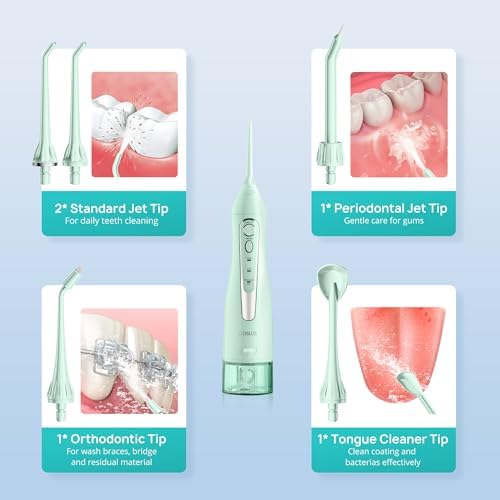
Oral hygiene is crucial for overall health, and while brushing your teeth is essential, flossing is equally important. But let’s be honest, traditional flossing with string can be a hassle, especially for those with braces, tight teeth, or sensitive gums. That’s where a water flosser comes in. If you’re looking for a more effective and convenient way to keep your teeth clean, here’s why using a water flosser can make all the difference.
What Is a Water Flosser?
A water flosser, also known as an oral irrigator, is a device that uses a stream of pulsating water to clean between your teeth and along the gumline. The device directs a pressurized jet of water at your teeth, helping to dislodge food particles and remove plaque. Unlike traditional floss, which requires manual effort to work between your teeth, a water flosser does the work for you.
1. Effective Plaque Removal
Water flossers are highly effective at removing plaque that brushing alone may leave behind. The pulsating water helps break up food particles and plaque, reaching areas that traditional brushing might miss. Studies have shown that water flossing can reduce plaque and gingivitis just as effectively as traditional flossing, if not more so.
2. Gentle on Gums
If you have sensitive gums, traditional flossing can sometimes be painful or cause bleeding. A water flosser is a gentler alternative. The soft, pulsating water can massage your gums, improving blood circulation and reducing the likelihood of irritation or bleeding. It’s an ideal option for people with gum sensitivity or those who experience discomfort with regular floss.
3. Convenient and Easy to Use
Water flossers are incredibly easy to use. All you need to do is fill the reservoir with water, turn on the device, and aim the stream of water at your teeth and gums. Unlike traditional floss, which requires manual dexterity and can be awkward to use, a water flosser takes minimal effort and can clean your entire mouth in just a few minutes.
4. Helps with Braces and Other Dental Work
For people with braces, bridges, or other dental work, traditional floss can be challenging to use effectively. A water flosser can easily clean around brackets, wires, and other dental appliances. It reaches areas where food can get trapped and removes debris without causing damage to your braces or appliances.
5. Freshens Breath
Regular flossing can help keep bad breath at bay by removing food particles and plaque buildup. A water flosser can further enhance your breath by helping to clean the areas where bacteria and food particles accumulate. If you struggle with chronic bad breath, adding a water flosser to your oral hygiene routine may make a noticeable difference.
6. Improved Gum Health
Water flossing can help reduce gum inflammation, promote gum tissue regeneration, and prevent periodontal disease. By gently massaging the gums and removing bacteria and plaque, water flossers promote healthy gums and can reduce the risk of gum disease. It’s an easy addition to your routine that can make a big impact on your overall oral health.
7. A More Enjoyable Flossing Experience
Let’s face it: flossing with string can feel like a chore. Water flossing, on the other hand, is much more enjoyable. The pulsating water feels like a mini massage for your gums and teeth, making it a less tedious and more pleasant part of your oral care routine.
How to Use a Water Flosser
Using a water flosser is easy, but there are a few things to keep in mind to ensure you’re getting the most out of the device:
Start with clean teeth: Brush your teeth before using the water flosser to ensure you’re targeting food particles and plaque that brushing didn’t remove.
Position the nozzle properly: Hold the flosser at a 90-degree angle to your gums. Start at your back teeth and work your way forward, moving along the gumline and between each tooth.
Use the right water pressure: Most water flossers have adjustable pressure settings. Start with a lower pressure and gradually increase it to your comfort level.
Take your time: Spend about 30 seconds on each quadrant of your mouth. Don’t rush—let the pulsating water do its job.
Adding a water flosser to your daily oral care routine can make a significant difference in your oral health. Whether you’re looking for an easier way to floss, need to accommodate dental work, or simply want to improve gum health, a water flosser can provide a gentle yet effective alternative to traditional string flossing. It’s easy to use, convenient, and offers numerous benefits for your teeth and gums. Consider investing in one today for a cleaner, healthier smile!
In life, it’s easy to fall into the trap of waiting for others to catch up with you. Whether it’s a friend, a colleague, or even a family member, we often find ourselves pausing our own growth in hopes that others will evolve at the same pace. But here’s the hard truth: everyone evolves at their own pace, and the key to unlocking your true potential is to stop waiting for others.
It’s time to embrace your own journey, your unique pace, and stop holding back your progress to match someone else’s.
1. Your Growth is Personal—Embrace It!
We are all unique, and so are our paths in life. Whether it’s in our careers, relationships, or personal development, each person has their own timeline. Just because someone else is moving at a different speed doesn’t mean you should slow down or stop altogether. Your growth and success are personal to you, and it’s important to honor your individual journey.
By comparing yourself to others, you risk losing sight of what truly matters—your own evolution. If you’re waiting for others to “catch up,” you’re not focusing on your own growth and potential.
2. Growth Doesn’t Have a One-Size-Fits-All Timeline
It’s natural to want to see the people around us succeed. We want our friends and loved ones to grow with us. However, growth doesn’t follow a universal schedule, and trying to align your path with someone else’s can hold you back. Some people might grow faster, others slower, and some may even take detours along the way.
The important thing is that everyone moves forward in their own way. Instead of waiting for others to “catch up,” focus on your own growth and remember that everyone’s journey is different. The sooner you realize this, the sooner you can stop waiting around and start accelerating your own path.
3. Waiting for Others to Catch Up Stunts Your Potential
Waiting for others to match your pace or reach your level of success can be incredibly limiting. The truth is, when you pause or slow down to wait for others, you’re not allowing yourself the opportunity to fully grow and reach your potential. The longer you wait, the longer it takes to move forward in your own life.
Imagine if successful people like entrepreneurs, leaders, or creators had paused their growth to wait for others. The world would have missed out on incredible contributions. Don’t let that be you. Don’t hold yourself back—keep evolving at your own pace.
4. The Danger of Comparison
It’s easy to compare your journey to someone else’s. Social media has made this easier than ever, showing everyone’s success stories, milestones, and happy moments. But comparison is the thief of joy. You only see the highlights, not the struggles behind the scenes. Waiting for others to catch up is rooted in comparison, and it can make you feel stuck.
You might think, “If they’re not progressing at the same pace as me, I should slow down.” But the truth is, comparison won’t help you grow. You can’t control how fast or slow others progress, but you can control how fast you move forward. Focus on your own story.
5. Taking Responsibility for Your Own Growth
Your growth is ultimately your responsibility. No one else can live your life or pursue your goals for you. By waiting for others to catch up, you’re not taking full ownership of your journey. You’re letting outside factors dictate your pace, which only delays your progress.
It’s time to take charge and stop using others as a gauge for your success. Own your timeline, set your own pace, and trust that you are exactly where you need to be. Your growth won’t be delayed because of someone else’s path—it will happen when you put in the work and keep moving forward.
6. You Can Still Support Others Without Pausing Your Journey
Supporting others is important, but it should never come at the expense of your own growth. You can encourage and cheer for your friends, family, or colleagues while still pursuing your goals at your own pace. In fact, your success can be an inspiration to others to keep pushing forward on their own journeys.
True support means being happy for others, no matter where they are in their journey, and not allowing their progress—or lack thereof—to hold you back. You don’t have to wait for them to catch up; you can evolve together while respecting each other’s pace.
7. Embrace the Power of Patience and Progress
It’s natural to want to speed up your progress, but growth takes time. Being patient with yourself is key. Instead of rushing or waiting for others, focus on the small wins. Celebrate your progress, no matter how big or small, and trust the process. The more patient and persistent you are, the greater the results.
Growth doesn’t happen overnight. It’s about consistent effort, learning from challenges, and embracing new opportunities as they come. So, instead of pausing to wait for others, let your own growth take center stage.
Focus on Your Journey
Your growth is yours and yours alone. Don’t wait for anyone to catch up with you—keep moving forward, and allow others to do the same at their own pace. You’ll be amazed at how much you can accomplish when you stop holding yourself back. It’s time to stop pausing your growth. Start embracing your unique path and keep evolving. You deserve it!












 Because We Care® Life is Better