
Tag Archives: stress

Boost Your Energy: Delay Your Morning Coffee by 1-2 Hours

For many of us, the day doesn’t truly begin until we’ve had that first sip of coffee. The aroma, the warmth, and the jolt of caffeine are essential rituals. However, if you’re finding that your energy dips in the afternoon, it might be time to rethink your morning coffee habit.

The Science Behind the Morning Coffee

When we wake up, our bodies naturally produce a hormone called cortisol, often referred to as the “stress hormone.” Cortisol helps us feel awake and alert, peaking in the early morning. Drinking coffee immediately after waking up might not be as effective as we think because our bodies are already naturally energized.

Additionally, cortisol works to clear out a substance called adenosine, which builds up in our bodies during the day and makes us feel sleepy. Drinking coffee right away can interfere with this process, leading to a quicker crash once the caffeine wears off.

The Benefits of Delaying Your Coffee

By waiting 1-2 hours after waking to have your first cup of coffee, you allow your cortisol levels to peak and fall naturally. This timing ensures that your body has cleared out adenosine, and you can then use the caffeine to sustain your energy levels throughout the afternoon.

Here are some benefits you might notice by making this small adjustment:

  1. Sustained Energy Levels: Delaying your coffee intake can help prevent the dreaded afternoon slump, providing a more even energy boost throughout the day.
  2. Better Focus: With more consistent energy levels, you might find it easier to concentrate on tasks and stay productive.
  3. Improved Mood: Avoiding the caffeine crash can help stabilize your mood and prevent irritability.
  4. Enhanced Sleep Quality: When your caffeine intake is better timed, it can reduce the likelihood of it interfering with your sleep patterns, leading to better rest overall.

Tips for Adjusting Your Coffee Routine

  1. Hydrate First: Start your day with a glass of water. Hydration is crucial after a night’s sleep and can help you feel more awake.
  2. Have a Nutritious Breakfast: Fuel your body with a balanced meal that includes protein, healthy fats, and complex carbohydrates to keep your energy steady.
  3. Find a Morning Routine: Engage in light physical activity, like stretching or a short walk, to wake up your body naturally.
  4. Stay Consistent: Like any habit change, give yourself time to adjust. It might be challenging at first, but the benefits will be worth it.

While it might be hard to delay your coffee by 1-2 hours after waking up, the potential benefits to your energy levels, focus, mood, and sleep quality are worth the effort. Give it a try and see how this small change can lead to sustained energy throughout your day.

Leave a comment

Filed under care, coffee, community, fitness, Fun, Healthy, Inspiration, motivation

Embracing Fresh Starts: The Wisdom of L.M. Montgomery’s Quote

“Isn’t it nice to think that tomorrow is a new day with no mistakes in it yet?” This timeless quote from L.M. Montgomery’s Anne of Green Gables holds a profound message about the beauty of new beginnings and the potential for personal growth. In our fast-paced, often stressful lives, the promise of a fresh start each day can be a powerful motivator. Let’s explore how this sentiment can inspire us to embrace new opportunities, let go of past mistakes, and live each day to its fullest.

The Power of a New Day

Every morning, we are given the gift of a new day. This gift is a blank slate, unmarked by the errors or regrets of yesterday. It’s a chance to start over, to set new goals, and to approach life with a renewed sense of purpose. Whether we had a difficult day or experienced setbacks, the dawn of a new day brings with it endless possibilities.

Letting Go of Past Mistakes

One of the most challenging aspects of personal growth is learning to forgive ourselves for past mistakes. We often carry the burden of these errors, allowing them to overshadow our present and future. Montgomery’s quote reminds us that each new day is untouched by these past mistakes. By letting go of yesterday’s missteps, we can approach today with a clear mind and an open heart.

Setting Intentions for the Day

Starting each day with intention can significantly impact our outlook and productivity. Instead of dwelling on past failures, focus on what you want to achieve today. Set small, achievable goals and celebrate each accomplishment. This approach not only boosts your confidence but also sets a positive tone for the rest of the day.

Embracing Change and Growth

Change is an inevitable part of life, and each new day presents an opportunity to embrace it. Whether it’s adopting a new habit, learning a new skill, or changing your mindset, the potential for growth is limitless. By viewing each day as a fresh start, you open yourself up to new experiences and personal development.

Cultivating a Positive Mindset

A positive mindset is crucial for navigating life’s challenges. By adopting the belief that each day is a new opportunity, you train your mind to focus on the positive aspects of life. This shift in perspective can lead to increased resilience, better problem-solving skills, and a more optimistic outlook.

Living in the Present

It’s easy to get caught up in the past or worry about the future, but the only moment we truly have control over is the present. Montgomery’s quote encourages us to live in the now, appreciating the beauty and potential of each moment. By focusing on the present, we can make the most of each day and create a fulfilling and meaningful life.

Spreading Positivity

The idea of a new day without mistakes is not just beneficial for personal growth but can also positively impact those around you. By embracing this mindset, you become a source of inspiration and positivity for others. Your optimism and resilience can encourage friends, family, and colleagues to adopt a similar outlook, creating a ripple effect of positivity.

L.M. Montgomery’s quote from Anne of Green Gables offers a simple yet profound reminder of the beauty of new beginnings. Each day is a fresh start, free from the mistakes of the past, and filled with endless possibilities. By embracing this mindset, we can let go of past regrets, set positive intentions, and approach life with a renewed sense of purpose. So, as you wake up tomorrow, remember that it’s a new day with no mistakes in it yet—an opportunity.

Leave a comment

Filed under Book, care, community, Inspiration, motivation

Doing Your Part to Prevent Wildfires: Essential Tips for Safety

Summer is a time for outdoor fun, but it also brings the heightened risk of wildfires. As temperatures rise and vegetation dries out, the likelihood of wildfires increases, posing a significant threat to communities, wildlife, and natural landscapes. While it’s crucial for authorities and organizations to take preventive measures, individual actions also play a vital role in reducing the risk of wildfires. Here’s how you can contribute to wildfire prevention and protect your surroundings during this critical season.

Understanding the Wildfire Risk

Wildfires are uncontrolled fires that spread rapidly through vegetation, forests, and grasslands. Factors such as dry conditions, high winds, and human activities contribute to the risk of wildfires. During summer, these conditions are often exacerbated, making it essential to be proactive in minimizing potential fire hazards.

1. Create a Defensible Space Around Your Home

A defensible space is an area around your home that is maintained to reduce the risk of wildfire damage. By creating and maintaining this space, you can help protect your property from potential fires.

  • Clear Flammable Vegetation: Remove dead plants, leaves, and branches from around your home. Maintain a defensible zone of at least 30 feet from your house, where you can keep vegetation well-trimmed and spaced out.

2. Properly Dispose of Yard Waste

Improper disposal of yard waste, such as burning leaves or branches, can inadvertently cause wildfires. Instead of burning, follow these safer alternatives:

  • Use a Composting System: Composting yard waste is an environmentally friendly way to manage organic material. It reduces the risk of accidental fires and provides valuable nutrients for your garden.
  • Dispose of Waste Responsibly: Check with local waste management services for guidelines on proper disposal of yard debris. Many communities offer yard waste collection services or drop-off locations.

3. Practice Safe Outdoor Activities

Certain outdoor activities can pose fire risks if not handled properly. Here’s how to enjoy summer activities while minimizing the chance of starting a fire:

  • Avoid Open Flames: Refrain from using open flames, such as campfires or outdoor grills, on windy days. Always ensure fires are completely extinguished before leaving the area.
  • Follow Local Regulations: Adhere to fire bans and restrictions in your area. Local authorities may issue fire advisories or bans during high-risk periods.

4. Maintain Equipment and Vehicles

Vehicles and equipment can accidentally spark wildfires if not properly maintained. Take these precautions to reduce fire risks:

  • Inspect and Maintain Equipment: Regularly check lawnmowers, chainsaws, and other equipment for maintenance issues. Ensure that sparks or heat from these tools do not ignite nearby vegetation.
  • Clear Vehicle Exhausts: Ensure that vehicle exhaust systems are in good condition and clear of debris. Avoid parking on dry grass, as hot exhaust pipes can ignite vegetation.

5. Educate Others About Fire Safety

Raising awareness about wildfire prevention can help build a community of informed and responsible individuals. Share these fire safety tips with friends, family, and neighbors:

  • Organize Community Workshops: Host or participate in local workshops or events focused on wildfire prevention and safety. Providing information and resources can help spread awareness and encourage others to take preventive measures.
  • Spread the Word: Use social media and community bulletin boards to share fire safety tips and updates. Encourage others to adopt safe practices and stay informed about local fire regulations.

6. Prepare an Emergency Kit

In the event of a wildfire, having an emergency kit ready can help ensure your safety and preparedness. Include essential items such as:

  • Important Documents: Store copies of important documents, including identification, insurance policies, and medical records.
  • Emergency Supplies: Pack non-perishable food, water, a first aid kit, and other essentials that you may need if evacuation becomes necessary.

7. Report Suspicious Activity

If you observe any suspicious activity that could potentially start a fire, report it to local authorities immediately. Prompt reporting can help prevent potential wildfires and ensure a swift response.

Remember, wildfire prevention starts with individual actions and community awareness. By working together and staying informed, we can all play a part in reducing the risk of wildfires and preserving our natural landscapes.

Leave a comment

Filed under care, community, Fun, Inspiration, motivation

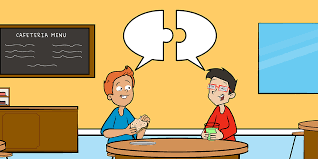
3 Tips for Navigating Difficult Conversations

Difficult conversations are a part of life, whether it’s addressing a conflict with a coworker, discussing a sensitive topic with a friend, or having a tough talk with a family member. Handling these discussions with care and skill can lead to positive outcomes and stronger relationships. Here are three tips to help you navigate difficult conversations effectively.

1. Prepare and Plan Ahead

Why It Matters:

Preparation allows you to approach the conversation with clarity and confidence. It helps you stay focused on the main issues and reduces the likelihood of getting sidetracked by emotions.

How to Do It:

Clarify Your Goals: Before the conversation, identify what you want to achieve. Are you seeking a resolution, understanding, or simply expressing your feelings? Knowing your goals will guide the discussion.

Gather Facts: Make sure you have all the relevant information. This includes any specific incidents, data, or examples that support your points. Avoid relying on assumptions or hearsay.

Plan Your Approach: Think about how to start the conversation. A good opening sets the tone for a respectful and constructive dialogue. Consider writing down key points you want to cover.

2. Listen Actively and Empathetically

Why It Matters:

Active listening shows respect and helps you understand the other person’s perspective. Empathy can diffuse tension and build a foundation for mutual understanding and cooperation.

How to Do It:

Give Full Attention: Put away distractions like phones or laptops. Maintain eye contact and nod to show you’re engaged. Avoid interrupting or planning your response while the other person is speaking.

Reflect and Clarify: Repeat back what you’ve heard to confirm understanding. Use phrases like, “What I’m hearing is…” or “It sounds like you’re saying…”. This demonstrates that you’re listening and helps clear up any misunderstandings.

Show Empathy: Acknowledge the other person’s feelings, even if you don’t agree with their viewpoint. Use empathetic statements like, “I understand this is difficult for you,” or “I see why you feel that way.”

3. Stay Calm and Focused

Why It Matters:

Staying calm helps you think clearly and prevents the conversation from escalating into an argument. Focusing on the issue at hand ensures that the discussion remains productive.

How to Do It:

Manage Your Emotions: If you feel yourself getting upset, take deep breaths or suggest a short break. It’s okay to pause and gather your thoughts before continuing.

Use “I” Statements: Frame your concerns in terms of your own experiences and feelings rather than making accusatory “you” statements. For example, say, “I feel hurt when…” instead of “You always…”.

Stick to the Topic: Avoid bringing up unrelated issues or past grievances. Focus on resolving the current issue. If other topics need discussion, set a time to address them separately.

Navigating difficult conversations can be challenging, but with preparation, active listening, and a calm, focused approach, you can handle them effectively. By applying these tips, you can turn potentially tense discussions into opportunities for growth and stronger relationships. Remember, the goal is not to “win” the conversation but to achieve understanding and find common ground.

Leave a comment

Filed under care, community, Fun, Healthy, Inspiration, motivation, organized, walk

The Power of Quiet Time: A Reminder to Embrace Stillness

In our fast-paced, noisy world, it’s easy to get caught up in the hustle and bustle of daily life. However, amidst the constant chatter and activity, it’s crucial to remember the profound power of quiet time. Taking moments of silence and solitude can be incredibly beneficial, giving us the space to self-reflect and truly hear our thoughts. Here’s why embracing quiet time is essential for our well-being and how you can incorporate it into your routine.

The Benefits of Quiet Time

Self-Reflection: Quiet time allows us to turn inward and reflect on our thoughts, feelings, and experiences. This self-reflection helps us understand ourselves better, recognize our achievements, and identify areas for growth. It’s a chance to process emotions, gain clarity on issues, and make more informed decisions.

Mental Clarity: In the silence, our minds have the opportunity to declutter and unwind. Without the constant barrage of external stimuli, we can think more clearly and creatively. This mental clarity can lead to better problem-solving and innovative ideas.

Stress Reduction: Silence can be incredibly calming. It gives us a break from the sensory overload that often contributes to stress and anxiety. Taking time to be still and quiet can lower our stress levels, promote relaxation, and improve our overall mental health.

Emotional Balance: Quiet time helps us reconnect with our emotions and become more attuned to how we’re feeling. This emotional awareness can lead to greater emotional balance and resilience, allowing us to respond to situations more calmly and thoughtfully.

Enhanced Focus: Regularly taking time for quiet can improve our concentration and focus. By giving our minds a rest, we return to our tasks with renewed energy and attention, enhancing our productivity and efficiency.

How to Incorporate Quiet Time into Your Routine

Morning Meditation: Start your day with a few minutes of quiet meditation. Find a comfortable spot, close your eyes, and focus on your breath. This practice can set a peaceful tone for the day ahead.

Nature Walks: Spend time in nature without any distractions. Leave your phone behind and immerse yourself in the sights and sounds of the natural world. The tranquility of nature can be incredibly rejuvenating.

Reading or Journaling: Dedicate time each day to read a book or journal your thoughts. Both activities provide a break from the noise and allow you to engage in quiet contemplation.

Mindful Breathing: Throughout the day, take short breaks to practice mindful breathing. Close your eyes, take deep breaths, and focus on the present moment. This simple practice can help center your mind and reduce stress.

Quiet Evenings: Create a relaxing evening routine that includes quiet time. Whether it’s taking a bath, listening to soft music, or simply sitting in silence, these moments of stillness can help you unwind before bed.

In a world that often glorifies busyness and noise, it’s important to remember the power of quiet time. Embracing moments of silence and solitude can enhance our self-reflection, mental clarity, emotional balance, and overall well-being.

Leave a comment

Filed under care, community, fitness, Fun, Inspiration, motivation, organized, Travel, walk

Tips to Prevent Heat-Related Illnesses: Stay Cool and Healthy

As temperatures rise, the risk of heat-related illnesses like heat exhaustion and heat stroke increases. It’s crucial to take proactive measures to stay safe and healthy during hot weather. Here are five essential tips to beat the heat and prevent heat-related illnesses.

Hydrate Early and Often

Staying hydrated is the first line of defense against heat-related illnesses. Begin drinking water even before you feel thirsty, and continue to hydrate regularly throughout the day. If you are spending time outside, aim to drink a cup of water (8 oz.) every 20 minutes. It’s essential to avoid beverages that can dehydrate you, such as caffeine, energy drinks, and alcohol. Keeping track of your water intake can help ensure you’re drinking enough. Drinks with balanced electrolytes can also be beneficial to replace fluids lost through sweating.

Dress for the Heat

What you wear can make a significant difference in how your body handles heat. Opt for light, loose-fitting clothing that allows your skin to breathe. Wearing a hat or using an umbrella can provide additional shade and protection from direct sunlight. Always wear shoes to protect your feet from hot surfaces, and apply sunscreen to prevent sunburn. If you plan to spend time outside, make sure to pack enough water to stay hydrated.

Take Breaks

Avoid prolonged exposure to the heat and sun by taking frequent breaks in shaded or air-conditioned areas. It’s advisable to schedule outdoor activities for early in the morning or late in the afternoon, avoiding the hottest parts of the day. These breaks will help your body cool down and reduce the risk of heat-related illnesses.

Know the Signs

Recognizing the symptoms of heat-related illnesses is critical for timely intervention. Familiarize yourself with the signs of heat exhaustion and heat stroke, such as excessive sweating, weakness, dizziness, nausea, headache, and confusion. If you or someone else starts to show these symptoms, take immediate action by moving to a cooler place, hydrating, and seeking medical attention if necessary.

Plan Ahead

Before engaging in outdoor activities, check the weather forecast and plan accordingly. If extremely high temperatures are expected, adjust your schedule to avoid the hottest times of the day. Planning ahead can help you avoid unnecessary exposure to the heat and ensure you have everything you need to stay cool and hydrated.

Takeaway

When temperatures soar, taking care of yourself is more important than ever. By following these simple steps—staying hydrated, dressing appropriately, taking breaks, knowing the signs of heat-related illnesses, and planning ahead—you can enjoy the summer safely and comfortably. Remember, listening to your body and taking precautions can make all the difference in preventing heat-related illnesses. Stay cool, stay safe, and have a great summer!

https://amzn.to/3zohnoC

Neck Fan

https://amzn.to/3W22scx

cooling towels

Leave a comment

Filed under care, community, fitness, Fun, Healthy, Inspiration, motivation, Travel

Discover the Benefits of Pickleball to stay Active

Pickleball, a sport blending elements of tennis, badminton, and ping pong, has surged in popularity —and for good reason. This low-impact activity packs a punch when it comes to health benefits while offering a fun and social way to stay active. Here’s why pickleball could be your next favorite pastime:

What is Pickleball?

Pickleball is played on a court similar to a badminton court, with a net lowered to about waist height. Players use paddles to hit a wiffle ball over the net, combining the skills of tennis, badminton, and ping pong into a unique and engaging game.

Health Benefits of Pickleball for Seniors

1. Low-Impact Exercise:
Pickleball is gentle on the joints compared to higher-impact sports like running or tennis. This makes it an ideal choice for seniors looking to stay active without risking joint stress or injury.

2. Cardiovascular Health:
The fast-paced nature of pickleball—quick movements, continuous play, and fast rallies—provides an excellent cardio workout. It helps improve cardiovascular endurance, circulation, and overall heart health.

3. Strength and Coordination:
Swinging the paddle and moving around the court engages muscles throughout the body, including the arms, legs, core, and back. Regular play can strengthen muscles, improve endurance, and enhance coordination.

4. Social Connections:
Pickleball is as much about camaraderie as it is about competition. Playing regularly allows you to interact with others, make new friends, and build a sense of community—a crucial aspect of mental and emotional well-being.

5. Adaptability:
One of the great features of pickleball is its adaptability. Whether you’re a beginner or more experienced, you can adjust the pace and intensity of the game to suit your fitness level. It’s also possible to play doubles, which adds a social and collaborative element to the sport.

Safety Tips for Playing Pickleball

While pickleball is generally safe, it’s important to take precautions to prevent injuries:

  • Warm-Up Properly: Before playing, warm up your muscles with light cardio and dynamic stretches to prepare your body for physical activity.
  • Use Proper Equipment: Invest in a good-quality paddle and wear supportive footwear to protect your feet and ankles during play.
  • Consult Your Healthcare Provider: If you have any health concerns or medical conditions, consult with your healthcare provider before starting pickleball or any new exercise regimen.

Getting Started with Pickleball

If you’re intrigued by pickleball but unsure where to begin, here are a few steps to get started:

  1. Find Local Courts: Look for pickleball courts in your area. Many community centers, parks, and recreational facilities offer courts for public use.
  2. Join a Beginner’s Class: Consider joining a beginner’s class or league to learn the basics of pickleball and meet other players at your skill level.
  3. Practice Regularly: Like any sport, practice makes perfect. Set aside time each week to play pickleball and gradually improve your skills and fitness.

Pickleball isn’t just a game—it’s a gateway to improved physical fitness, social connections, and overall well-being for active seniors. Whether you’re looking for a new hobby or a way to stay fit and engaged, pickleball offers something for everyone.

https://amzn.to/3XFDyR5

Leave a comment

Filed under care, community, fitness, Fun, Healthy, Inspiration, motivation

Electrolytes Redefined: Adding Salt to Your Water to Stay Hydrated This Summer

As the summer heat ramps up, staying hydrated becomes more important than ever. While drinking plenty of water is crucial, it’s not always enough to keep your body properly hydrated. Electrolytes play a key role in maintaining fluid balance, and adding a pinch of salt to your water can make a significant difference. Let’s explore how redefining your hydration strategy with electrolytes can help you stay hydrated and healthy during the hottest months of the year.

Understanding Electrolytes and Hydration

Electrolytes are minerals that carry an electric charge and are essential for many bodily functions. They include sodium, potassium, calcium, and magnesium, and they help regulate nerve and muscle function, balance blood acidity and pressure, and rebuild damaged tissues. When you sweat, you lose not only water but also these crucial electrolytes. Replenishing them is key to maintaining optimal hydration.

The Role of Salt in Hydration

Salt, or sodium chloride, is one of the most important electrolytes for hydration. Here’s why adding a small amount of salt to your water can enhance your hydration strategy:

  1. Fluid Retention: Sodium helps your body retain the water you drink. Without adequate sodium, the water you consume may pass through your body too quickly, leading to frequent urination and insufficient hydration.
  2. Balance Restoration: Adding salt to your water helps restore the balance of electrolytes lost through sweat. This is particularly important during high-intensity activities or prolonged exposure to heat.
  3. Improved Absorption: Salt can enhance the absorption of water and other nutrients in the intestines, ensuring that your body gets the hydration it needs more effectively.

How to Use Salt for Hydration

Incorporating salt into your hydration routine is simple. Here are some practical tips to help you get started:

  1. Choose the Right Salt: Opt for natural salts such as sea salt or Himalayan pink salt. These types of salt contain additional minerals that can provide further benefits compared to regular table salt.
  2. Proper Ratio: Add a small pinch of salt (about 1/8 teaspoon) to a liter of water. The goal is to enhance hydration without making the water taste overly salty.
  3. Enhance with Flavor: To improve the taste, consider adding a squeeze of fresh lemon or lime juice. This not only makes the drink more palatable but also provides additional vitamins and antioxidants.
  4. Consistency: Make it a habit to drink your enhanced water throughout the day, especially before, during, and after intense physical activity or exposure to high temperatures.

Benefits of Electrolyte-Enhanced Hydration

By adding salt to your water and maintaining a proper electrolyte balance, you can experience several benefits:

  1. Enhanced Physical Performance: Proper hydration helps maintain muscle function and prevents cramps, fatigue, and heat-related illnesses.
  2. Improved Cognitive Function: Staying hydrated supports better brain function, including improved focus, memory, and overall cognitive performance.
  3. Faster Recovery: Electrolytes aid in the recovery process after physical exertion by helping to rebuild and repair tissues and replenish energy stores.
  4. Overall Wellness: Adequate hydration supports all bodily functions, from digestion to circulation, ensuring that your body operates efficiently and effectively.

As the summer heat intensifies, redefining your hydration strategy by adding salt to your water can be a game-changer. By enhancing your water with a pinch of natural salt, you help your body retain fluids, restore electrolyte balance, and improve overall hydration. This simple yet effective approach can lead to better physical performance, faster recovery, and enhanced overall wellness. Stay hydrated, stay healthy, and enjoy your summer to the fullest by incorporating electrolyte-enhanced hydration into your daily routine.

https://amzn.to/4bSa72E
  • WHAT’S IN RE-LYTE? – Sodium 810mg Potassium 400mg Choride 1280mg Calcium 60mg Magnesium 50mg Coconut Water Powder 80mg
  • REAL SALT’S DELICIOUS UNREFINED SEA SALT – Most brands can’t use enough sodium to replace what your body loses during the day – because they use refined white salt. Re-Lyte includes Real Salt’s delicious taste and 60+ trace minerals.

Leave a comment

Filed under care, community, fitness, Fun, Healthy, Inspiration, motivation, Travel, walk

Is It Time to Take a Break from Scrolling? Here Are 3 Signs You Should and Tips for Limiting Screen Time

It’s easy to get lost in the endless stream of content on our phones and computers. Scrolling through social media, news feeds, and other apps can quickly become a mindless habit that eats up hours of our day. But how do you know when it’s time to take a break from scrolling? Here are three signs that you might need to step back and some tips on how to limit your screen time effectively.

1. Feeling Overwhelmed or Anxious

If you find yourself feeling anxious, overwhelmed, or stressed after spending time on your phone, it’s a clear sign that you need a break. Constant exposure to negative news, unrealistic social media portrayals, and endless notifications can take a toll on your mental health.

Solution: Try setting specific times during the day to check your phone and stick to these designated periods. This can help you stay informed without feeling bombarded by constant updates. Additionally, consider unfollowing or muting accounts that contribute to your stress or anxiety.

2. Lack of Productivity

When scrolling becomes a significant part of your day, it can interfere with your productivity. If you notice that you’re procrastinating more and struggling to complete tasks, it’s time to evaluate your screen time habits.

Solution: Implement the Pomodoro Technique, which involves working for 25 minutes followed by a 5-minute break. Use these breaks to stretch, take a walk, or do something offline. This method can help you stay focused and reduce the urge to scroll mindlessly.

3. Physical Discomfort

Extended screen time can lead to physical discomfort such as eye strain, headaches, and poor posture. If you’re experiencing these symptoms, it’s a sign that you need to reduce your screen time.

Solution: Follow the 20-20-20 rule: every 20 minutes, look at something 20 feet away for at least 20 seconds. This helps reduce eye strain. Also, ensure that your workspace is ergonomically friendly to maintain good posture and prevent discomfort.

Do You Limit Your Scrolling Time?

Limiting scrolling time is essential for maintaining a healthy balance in your life. Here are a few tips to help you manage your screen time:

  • Set Screen Time Limits: Most smartphones have built-in features that allow you to set daily screen time limits for specific apps. Use these tools to keep your scrolling in check.
  • Create No-Phone Zones: Designate certain areas of your home, like the dining room or bedroom, as no-phone zones to encourage face-to-face interactions and better sleep hygiene.
  • Engage in Offline Activities: Find hobbies and activities that don’t involve screens, such as reading, gardening, or exercising. These can provide a much-needed break from digital devices and help you reconnect with the physical world.

Recognizing the signs that you need a break from scrolling is the first step towards better digital health. By implementing simple strategies to limit your screen time, you can improve your mental well-being, boost productivity, and reduce physical discomfort. Remember, it’s all about finding a balance that works for you.

Leave a comment

Filed under care, coffee, community, Fun, Healthy, Inspiration, motivation

Does Unsubscribing from Emails Really Work? Effective Strategies to Stop Unwanted Emails

If your inbox is constantly flooded with unwanted emails, you’re not alone. Many people struggle with managing the sheer volume of messages they receive daily. While the unsubscribe button seems like an easy solution, it’s not always effective. Let’s explore whether unsubscribing from emails really works and three proven methods to truly stop unwanted emails from cluttering your inbox.

Does Unsubscribing Work?

Unsubscribing from unwanted emails can sometimes be effective, especially with reputable companies that comply with email marketing laws, such as the CAN-SPAM Act in the United States. These laws require businesses to honor unsubscribe requests promptly. However, there are several reasons why unsubscribing might not always work:

  1. Spam and Malicious Emails: For emails from dubious sources, clicking unsubscribe can actually confirm to spammers that your email address is active, potentially increasing the volume of spam you receive.
  2. Multiple Mailing Lists: Some companies have multiple mailing lists, and unsubscribing from one might not remove you from all of them.
  3. Delayed Processing: Even legitimate companies might take some time to process your unsubscribe request, during which you may continue to receive emails.

Given these challenges, it’s essential to have alternative strategies for managing unwanted emails.

Three Ways to Really Stop Unwanted Emails

1. Use Email Filters and Rules

Most email services offer powerful filtering options that allow you to automatically sort incoming messages based on specific criteria. Here’s how you can set up filters:

  • Gmail: Go to Settings > See all settings > Filters and Blocked Addresses > Create a new filter. Enter the email address or keywords you want to filter out, and choose actions like “Delete it” or “Mark as spam.”
  • Outlook: Go to Settings > View all Outlook settings > Mail > Rules. Click on “Add new rule,” set the conditions (e.g., sender’s email address), and select the action (e.g., move to junk, delete).

Filters and rules can automatically divert unwanted emails away from your inbox, reducing clutter and saving you time.

2. Mark as Spam or Junk

Marking unwanted emails as spam or junk helps your email provider improve its spam detection algorithms. Here’s how:

  • Gmail: Select the unwanted email and click the “Report spam” button. Future emails from that sender will be directed to your Spam folder.
  • Outlook: Select the email and click “Junk” > “Block” or “Report as Junk.” This will help Outlook filter similar emails in the future.

Regularly marking unwanted emails as spam trains your email service to recognize and filter out similar messages, reducing the likelihood of them appearing in your inbox.

3. Use a Third-Party Unsubscribe Service

There are several third-party services designed to help you manage and unsubscribe from unwanted emails. These services scan your inbox for subscription emails and allow you to unsubscribe from multiple lists at once. Some popular options include:

  • Unroll.Me: This free service scans your inbox and provides a list of subscriptions, allowing you to unsubscribe with a single click.
  • Clean Email: This tool offers more advanced features, including the ability to set up automatic rules for managing your emails.

While using third-party services, it’s important to choose reputable ones and understand their privacy policies to ensure your data is handled securely.

Unsubscribing from emails can work, but it’s not always foolproof. To effectively manage unwanted emails, consider using email filters, marking unwanted messages as spam, and leveraging third-party unsubscribe services. By combining these strategies, you can significantly reduce the volume of unwanted emails and keep your inbox organized and efficient.

Leave a comment

Filed under care, community, Fun, Healthy, Inspiration, motivation, organized