Matcha, the finely ground powder of specially grown and processed green tea leaves, has been making waves in wellness and culinary circles. Beyond its trendy appeal, this emerald elixir offers some powerful benefits. If you’re considering giving matcha a try, here are three compelling reasons to make it a part of your routine:
1. A Gentle Energy Boost Without the Jitters
Unlike coffee, matcha delivers a steady and sustained energy boost thanks to its unique combination of caffeine and L-theanine, an amino acid that promotes relaxation. Instead of the crash or jitters that sometimes accompany a coffee buzz, matcha offers calm alertness—a perfect balance for tackling a busy day.
2. Packed with Antioxidants
Matcha is a powerhouse of antioxidants, particularly catechins, which help fight free radicals and reduce inflammation. One of these catechins, EGCG, has been linked to boosting metabolism and supporting heart health. Just one cup of matcha contains more antioxidants than many other superfoods, making it a simple yet effective addition to a healthy diet.
3. Versatile and Delicious
Matcha is incredibly versatile. You can enjoy it as a traditional tea, whisked with hot water, or explore modern variations like matcha lattes, smoothies, or even baked goods. Its earthy, slightly sweet flavor profile pairs well with many ingredients, allowing you to get creative while reaping its benefits.
Whether you’re looking for a clean energy source, a way to elevate your wellness game, or a tasty new drink to savor, matcha could be the answer. Give it a try and experience the vibrant green magic for yourself!
Pro Tip: Not all matcha is created equal. For the best results, choose ceremonial-grade matcha for drinking and culinary-grade for cooking or baking.
The holiday season can feel like you’re juggling flaming candy canes—emails are endless, social media posts pile up, and your to-do list seems to have no bottom. If you’re feeling the December overwhelm, you’re not alone! Here are three practical tips to help you find balance and joy in this festive chaos.
1. Streamline Your To-Do List
Not every task is as urgent as it feels. Divide your list into three categories: must-dos, should-dos, and could-dos.
Must-dos are non-negotiable tasks like gifts for immediate family or RSVPs for events.
Should-dos are important but flexible, like baking cookies or sending holiday cards.
Could-dos are the extras that can wait or be skipped (sorry, handmade gift wrap).
Pro tip: Cross off one “could-do” guilt-free—it’s liberating!
2. Set Boundaries with Technology
Between holiday shopping emails and endless Instagram scrolls, digital overload is real. Combat it by setting limits:
Schedule Email Check-Ins: Only check emails twice a day.
Mute Non-Essential Notifications: Silence social media alerts to avoid unnecessary distractions.
Unsubscribe Ruthlessly: Do you really need those extra holiday sale updates? Probably not.
Give yourself a digital detox window each day to fully unplug and recharge.
3. Create a Daily Recharge Ritual
Carve out 15–30 minutes a day for a moment of calm. This can look like:
Sipping tea while gazing at your twinkling tree lights.
Writing a quick gratitude list to refocus on the joys of the season.
Taking a brisk walk outside to clear your head and reconnect with nature.
Think of it as gifting yourself the one thing we all need this season: peace of mind.
The holidays are meant to be a time of joy, not stress. By simplifying your to-do list, setting boundaries with technology, and prioritizing moments of calm, you can reclaim the magic of December. Remember, it’s okay to let go of perfection—your best is already more than enough.
Here’s to a holiday season filled with presence over perfection! 🎄✨
As the temperature dips and the days grow shorter, we often look for ways to strengthen our immune systems and fend off seasonal illnesses. One supplement that often comes into focus during this time is zinc. But before you add it to your winter wellness routine, let’s explore the benefits of zinc, why it’s a seasonal favorite, and the importance of consulting with your doctor first.
Why Zinc for Winter?
Zinc is an essential mineral that supports various bodily functions, including immune response, wound healing, and even taste perception. During winter, when colds and flu are more prevalent, zinc is often highlighted for its potential to reduce the duration of cold symptoms. Many over-the-counter remedies, like lozenges and supplements, boast zinc as a key ingredient.
Adding zinc to your diet or routine could help maintain a robust immune system. However, it’s not a magical cure—it works best when combined with other healthy habits like good nutrition, adequate sleep, and staying active.
The Importance of Talking to Your Doctor
Before starting zinc or any supplement, it’s crucial to consult your healthcare provider. While zinc is generally safe when taken within recommended limits, excessive intake can lead to side effects like nausea, a metallic taste, or even interference with other minerals like copper. Additionally, zinc can interact with certain medications, such as antibiotics or diuretics.
Your doctor can help determine the appropriate dosage for your needs, especially if you’re already getting zinc from your diet through foods like meat, shellfish, nuts, seeds, and fortified cereals.
Incorporating Zinc This Winter
If your doctor gives you the green light, here are some simple ways to add zinc to your winter wellness routine:
Supplement Strategically: Choose supplements specifically formulated for immune support, but stick to the recommended dosage.
Boost Your Diet: Include zinc-rich foods in your meals. For example, whip up a comforting stew with beans and pumpkin seeds, or indulge in oysters for a festive treat.
Know When to Use: Zinc is most effective at the onset of a cold. Keep zinc lozenges handy for early symptom relief.
A Word of Caution
Remember, more isn’t always better. Over-supplementing can harm your health. Use zinc as one part of a holistic approach to winter wellness that includes staying hydrated, eating balanced meals, and enjoying time outdoors whenever possible.
Embrace the Season with Strength
Winter is a season of hibernation, reflection, and care—not just for others, but for yourself. By incorporating smart strategies like adding zinc to your regimen (after consulting your doctor!), you can better navigate the colder months with vitality and ease.
Stay warm, stay well, and let zinc be part of your wellness toolkit this season!
As we head into the winter months, it’s easy to focus on the obvious needs: staying warm, creating cozy spaces, and celebrating the holidays. However, there are also some less obvious elements that play a big role in making our homes truly comfortable during this time of year—one of the most important being humidity levels.
Why Humidity Matters in Winter
When the temperatures drop, the air becomes drier. Heaters kick in, and homes are sealed up tighter to conserve warmth. While these actions keep us warm, they also remove moisture from the air, leading to dryness indoors. This drop in humidity can have several effects on both your health and home:
Dry Skin: If you’ve ever noticed that your skin feels especially dry or irritated during the winter months, it’s not just the cold weather. Low humidity can strip moisture from your skin, leading to dryness, itching, and even eczema flare-ups.
Respiratory Discomfort: Dry air can also irritate your nasal passages and throat. It can exacerbate asthma symptoms, lead to nosebleeds, and make it harder to breathe comfortably.
Static Electricity: You’ve probably encountered the frustration of static shocks when touching door handles or even when taking off your sweater. Static electricity builds up because the air is so dry.
The Benefits of a Humidifier
Investing in a humidifier can make a world of difference during the colder months. These devices add moisture back into the air, which helps to maintain a balanced humidity level in your home. Here are a few benefits of using a humidifier:
Moisturizes Skin: Humidifiers help maintain your skin’s natural moisture barrier, preventing dryness and irritation. It’s like giving your skin a little extra help in the fight against the winter weather.
Relieves Respiratory Issues: Keeping the air moist helps prevent the drying of your respiratory system, making it easier to breathe, especially at night. It can help with symptoms of colds, allergies, or asthma.
Prevents Static Electricity: A humidified environment reduces the buildup of static electricity, meaning fewer shocks when you’re just trying to move around your home.
Preserves Your Home: Wooden furniture, floors, and even musical instruments like pianos can suffer from low humidity, leading to cracks or warping. A humidifier helps maintain the integrity of these items.
Choosing the Right Humidifier for Your Space
There are different types of humidifiers to suit various needs:
Evaporative Humidifiers: These use a fan to blow air through a wet wick, adding moisture to the air. They’re self-regulating, meaning they won’t over-humidify the room.
Ultrasonic Humidifiers: These use ultrasonic vibrations to create a fine mist. They’re typically quieter than evaporative models and are often available in various sizes.
Warm Mist Humidifiers: These heat water to create steam, which is then cooled slightly before being released into the air. This can be especially helpful if you want to add some extra warmth to the room.
No matter the type, it’s important to choose a humidifier that’s appropriate for the size of your room to ensure optimal results.
Other Tips to Combat Dry Air
Houseplants: Many indoor plants naturally humidify the air by releasing moisture. Consider adding a few plants to your home to naturally boost humidity while improving indoor air quality.
Ventilation: Occasionally opening your windows, even just a crack, can help circulate the air and prevent it from becoming too stagnant.
Water Bowls: If a humidifier isn’t an option, placing bowls of water near heating vents or radiators can help evaporate moisture into the air.
While we focus on the obvious elements of winter—warmth, comfort, and holiday cheer—it’s easy to overlook the quieter needs that make a home truly cozy.
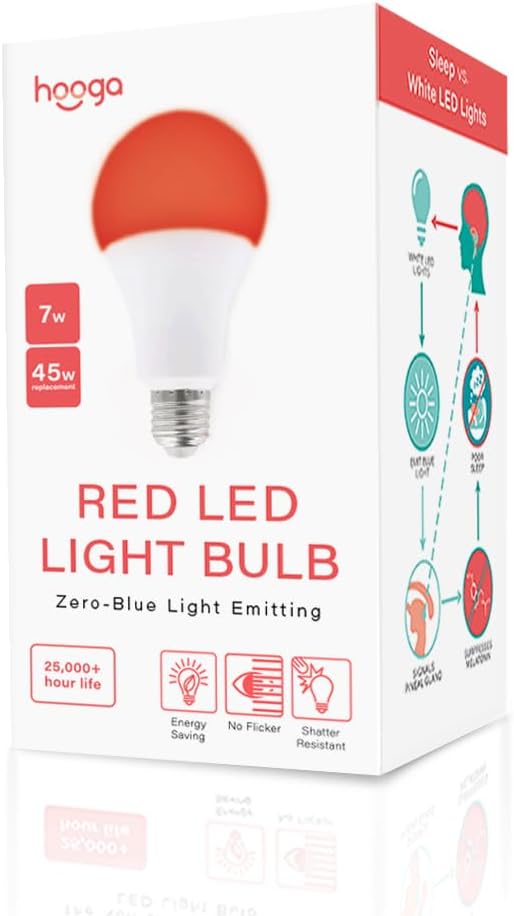
Imagine this: you’re winding down for the night, but your phone screen, tablet, or that overhead light in your room is keeping your brain in “go” mode. Sound familiar? It might be time to swap out that harsh white light for a red one—and not just for the aesthetic. Research suggests that using a red light in your room before bed could be the key to better sleep.
Why Red Light?
The secret lies in how different light colors affect melatonin, your body’s sleep hormone. Blue and white lights are notorious for suppressing melatonin production, making it harder for you to drift off. In contrast, red light is less stimulating, allowing your body to naturally prepare for rest.
The Science Behind It
Exposure to red light helps maintain your body’s natural circadian rhythm. Unlike blue light, which tricks your brain into thinking it’s daytime, red light mimics the softer hues of a sunset. This makes it easier for your brain to signal that it’s time to rest.
How to Incorporate Red Light Into Your Routine
Switch to a Red Light Bulb: Replace your bedroom lamp’s bulb with a red one. They’re affordable and widely available.
Use a Red Light Device: Consider investing in a red light therapy lamp, especially if you want to double up on benefits like improved skin or reduced inflammation.
Avoid Screens Before Bed: No amount of red light can combat the effects of late-night screen time. Put down your phone at least 30 minutes before you plan to sleep.
The Bottom Line
Switching to red light isn’t just a wellness trend—it’s a practical, science-backed way to improve your sleep. It’s a small, easy adjustment that can make a world of difference in how you rest and recharge.
Ah, November—the month that brings cozy sweaters, pumpkin pie, and the official season of thanks. With Thanksgiving around the corner, it’s the perfect time to pause, reflect, and practice gratitude. Sometimes, life moves at such a breakneck pace that we forget to stop and appreciate the little things, like that first sip of hot coffee or the warmth of an extra blanket on a cold night.
But what if we embraced this attitude of gratitude throughout November and carried it beyond the holidays? Imagine starting each day with a reminder of something you’re thankful for—it could be as simple as saying, “I’m grateful for this day” or jotting down three things that make you smile. These small acts of gratitude can transform our mindset and uplift us in ways we might not expect.
Finding Thankfulness in the Everyday
Gratitude doesn’t have to mean grand gestures or extravagant displays. Some days, being thankful might be as simple as appreciating a warm meal or a quiet moment. For me, one of my favorite rituals is a cup of tea at the end of the day. It’s not much, but that one moment of quiet warmth can feel like a little slice of heaven.
November invites us to slow down and look for these “everyday treasures.” Whether it’s a conversation with a friend, a cozy scarf, or even a day that feels a little less hectic than usual, recognizing these moments can add richness to our lives.
The Ripple Effect of Gratitude
When we take time to recognize what’s good in our lives, it often sparks a ripple effect. Gratitude helps us focus on the positive, which can improve relationships, lift our mood, and even reduce stress. When I started keeping a gratitude journal a while back, I noticed that on challenging days, I could look back and remember that, yes, there is always something to be grateful for. And that small reminder can make all the difference.
Sharing gratitude can be as powerful as feeling it. Send a quick message to a friend or family member who’s made a difference in your life, or even leave a thank-you note for a coworker. It doesn’t take much, but it means a lot. Imagine how much brighter the world would be if everyone practiced a little more gratitude.
A Month of Reflection, Not Just One Day
Thanksgiving reminds us of all the good things we’re grateful for, but why limit it to just one day? Let’s use the rest of November as a time to reflect and focus on what really matters. Every day this month, take a minute to recognize something—big or small—that adds joy to your life. I know I’ll be reminding myself to appreciate the warmth of the season, the colors of the leaves, and the feeling of sharing a laugh with the people I love.
As November progresses, let’s remember that gratitude doesn’t end with the holiday. It’s something we can take with us and nurture all year long. And with each act of appreciation, we’re adding a bit more light to the world.
Life is busy, and it’s easy to get caught up in the hustle, putting everyone else’s needs before our own. But here’s a gentle reminder: prioritizing your well-being isn’t selfish—it’s essential. Think about it: if you don’t take care of yourself, who will?
1. Prioritizing Self-Care Isn’t Selfish
Taking time for yourself doesn’t mean you’re ignoring others. In fact, you’re actually making it easier to show up as your best self for the people you care about. Whether it’s through exercise, journaling, reading, or just sitting in peace with a cup of tea, these moments refuel us, helping us to approach life with energy and resilience.
2. Small Moments, Big Impact
Sometimes, it’s the small things that make the biggest difference. You don’t need to carve out hours for a spa day to make self-care a priority. Start with small steps—taking deep breaths, stretching, or even stepping away from your phone for a few minutes. These little breaks add up, creating space for you to recharge mentally and physically.
3. Boundaries Are Essential
Setting boundaries is one of the best ways to prioritize yourself. It’s okay to say no. Not every request, invitation, or project needs to be added to your to-do list. Protect your energy and time, and remember that setting boundaries helps others learn to respect your needs as well.
4. Check In With Yourself
Listen to your body and your mind. Are you feeling drained? Anxious? Irritable? Often, these are signals that it’s time to take a step back. Schedule regular check-ins with yourself to see what you need—whether it’s a good night’s sleep, a laugh with friends, or some time alone.
5. Remember, You Deserve It
Maybe you’re thinking, But I have so many responsibilities! We all do, but you can’t pour from an empty cup. Prioritizing yourself allows you to be a better friend, partner, parent, or colleague. You deserve to feel your best, and taking time for yourself is how you get there.
Start Today
Let this be the day you begin putting yourself first, even in small ways. Because if you don’t make yourself a priority, who will? Remember, taking care of yourself isn’t a luxury—it’s a necessity.
Have you ever felt instantly more relaxed when you’re barefoot on grass or walking along the shore? That sensation may be more than just a moment of calm—it could be the benefits of grounding (or earthing), a practice that connects your body to the earth’s natural energy. Grounding has been gaining attention for its potential wellness benefits, from improved sleep to pain relief. But how exactly does grounding work, especially if you’re using an indoor grounding mat rather than being outside? Let’s dive in!
How Grounding Works
Grounding is based on the idea that the earth’s surface is rich in electrons, carrying a slight negative charge that can neutralize free radicals—unstable molecules in our bodies that contribute to inflammation and aging. By connecting to the earth, we may help restore our body’s natural electrical balance.
One popular method for grounding indoors is by using a conductive grounding mat that connects to the earth through your home’s electrical system. Here’s how it works:
Connecting to the Earth Indoors: In a modern home, electrical outlets are grounded to the earth. When you plug a grounding mat into a properly grounded outlet, it allows the earth’s energy to flow through the outlet to the mat. This charge subtly flows to your body, bringing benefits similar to standing barefoot outdoors.
Subtle Sensations: When you first try a grounding mat, you might feel nothing at all or notice a slight tingling. Both reactions are perfectly normal! Grounding is a gradual process, with effects that accumulate over time rather than providing immediate, dramatic sensations. It’s a bit like the difference between a single glass of water and maintaining proper hydration over weeks—you may not feel much right away, but the benefits build up.
Consistency is Key: Like any wellness habit, grounding requires consistency. Incorporating it into your daily routine, whether working, relaxing, or even sleeping, allows the benefits to integrate into your body’s natural rhythms.
Benefits of Grounding
Grounding is still a developing field in wellness, but initial research and anecdotal evidence suggest several potential benefits:
Improved Sleep: Grounding may help align your body with the earth’s natural energy, contributing to a sense of calm that makes it easier to fall asleep and stay asleep. Regular grounding can support the natural circadian rhythm, which is essential for quality rest.
Pain Relief: Many users report a reduction in pain after grounding regularly. This could be due to grounding’s anti-inflammatory effects, as it helps to neutralize free radicals in the body, which are often associated with chronic inflammation and pain.
Stress Reduction: Studies suggest that grounding may reduce cortisol levels, the body’s primary stress hormone. Lower cortisol can lead to lower levels of anxiety and stress.
Enhanced Energy: By connecting to the earth’s energy, grounding could potentially improve overall vitality. It’s like giving your body a little reset, balancing the positive charge that builds up from daily exposure to electronics.
Grounding Beyond the Mat: Nature’s Way
Using a grounding mat indoors is an effective alternative to outdoor grounding, especially for people who may not have easy access to natural spaces. However, whenever possible, consider complementing your mat practice with some time outside—barefoot if the weather allows. Grass, sand, dirt, and even water are all natural surfaces for grounding and offer a little extra dose of nature’s own “battery.”
Grounding as a Long-Term Wellness Practice
While grounding won’t magically solve all your health concerns overnight, it can be a beneficial addition to a holistic wellness routine. Embrace the subtlety of grounding and its ability to support wellness over time. Think of it as a small, natural investment in yourself that pays off gradually, much like any other health habit.
Ah, the clock is about to play its annual game of hide-and-seek, and let’s just say it’s not my favorite! This Sunday, we “fall back,” which means we gain an hour of sleep but lose an hour of daylight. While many of us are secretly counting down to that extra hour of snoozing, the early darkness can hit harder than a Monday morning after a long weekend. So, what do we do when the sun sets before we’ve even finished our afternoon coffee? Let’s dive into some ideas to embrace the early darkness and keep our spirits bright!
1. Light Up Your Space
As the sun bids adieu earlier each day, it’s time to channel your inner candle connoisseur. Lighting can do wonders for our mood, and there’s something magical about cozying up to the warm glow of candles. I remember one year, I went a little overboard and had a mini candle festival in my living room. The scent of cinnamon and vanilla wafting through the air made it feel like I was living in a cozy bakery. Pro tip: Pick scents that evoke memories or feelings of comfort. It’s like a warm hug for your nostrils!
2. Get Moving—Even in the Dark
Sure, you might feel like a vampire retreating into the shadows, but don’t let the early darkness lure you into a sedentary slump. Now is the perfect time to explore indoor activities. Whether it’s joining a local gym, taking a dance class, or embracing the art of yoga, find something that gets your body moving. Trust me, nothing beats the post-workout glow, even if the sun has already clocked out for the day.
3. Host a Game Night
When the daylight diminishes, why not gather your friends for a game night? Dust off that old board game or challenge everyone to a video game showdown. Nothing brings people together quite like a little friendly competition—especially if you add snacks into the mix. I once hosted a game night that turned into a full-blown pizza-making contest, and let me tell you, the chaos was worth every cheesy moment. Plus, the laughs and friendly banter kept the early darkness at bay.
4. Create a Cozy Evening Routine
Who says evenings have to be dull? Use this time to create a cozy routine that you genuinely look forward to. Maybe it’s curling up with a book, binge-watching your latest obsession, or diving into that hobby you’ve been neglecting. My evening routine includes a steaming cup of herbal tea and a few episodes of whatever is trending on Netflix. It’s a little slice of happiness that makes the long nights feel shorter.
5. Make Plans for Daylight
Now, let’s talk strategy. While it’s easy to fall into the early night trap, take advantage of the daylight hours we do have. Schedule outdoor activities for the weekends or during your lunch break. Whether it’s a brisk walk in the park or grabbing a coffee with a friend, soaking up the sun (even if it’s just for a bit) can give you that extra boost of energy. I often find that those little moments outdoors can reset my mood for the entire day.
6. Embrace the Season
Lastly, remember that every season has its charm, and autumn is no exception. So why not lean into the coziness of the season? From enjoying pumpkin spice everything to snuggling up in your favorite blanket, find joy in the little things. Maybe even try out some fall recipes or craft projects to bring that warmth into your home. After all, who can resist the allure of homemade pumpkin muffins wafting through the air as the sun dips below the horizon?
When winter hits, it’s tempting to hibernate indoors, wrapped in blankets and binge-watching TV with a cup of cocoa in hand. The idea of stepping out for exercise when the wind is biting? Not exactly inviting. But here’s the thing: winter’s actually an awesome season for keeping active, and getting moving has a way of boosting both our mood and our energy.
Why Bother Staying Active in Winter?
For one thing, exercise in winter is a natural mood-lifter. Shorter days and less sunlight often mean we’re more susceptible to the winter blues, and getting out there can combat that sluggish, “blah” feeling. Besides, staying active in the cold isn’t just good for the body; it’s also a way to give our mental health a much-needed lift.
Personally, I’ve found that a brisk winter walk or even a bundled-up jog can be way more refreshing than expected. There’s something invigorating about that crisp air on your face—though it may take a minute to warm up to the idea (literally and figuratively). And if you’re anything like me, the hardest part is getting out the door. Once you’re out there, you might just find yourself enjoying it.
Winter Sports: An Excuse to Play in the Snow!
Winter brings unique activities that make exercise feel more like play. Skiing, snowboarding, ice skating—all these options are like permission to be a kid again. You don’t even have to be a pro! In fact, my first attempt at snowboarding was basically an unintentional full-body workout from constantly falling and getting back up. But that’s the fun of it! And hey, if you can laugh at yourself, that’s half the battle.
If you’re lucky enough to live near snow-covered trails, cross-country skiing is another great option. It’s basically hiking but in the snow, and it’s one of those workouts that’s sneakily intense. But even if skiing or snowboarding isn’t your thing, a simple sledding session with friends or family can be an awesome way to get active while having a blast.
Walking: The Underestimated Winter Workout
Now, if you’re not into extreme winter sports, I totally get it. You don’t have to hit the slopes to stay active! One of the easiest ways to keep moving during winter is to take up walking, even if it’s just around the neighborhood or the local park. Bundle up in a cozy jacket, grab a hat, and just head out. Walking in winter offers a sense of calm you don’t get in the warmer months—the sound of snow crunching underfoot, the stillness in the air, that perfect winter sun lighting everything up.
And here’s the best part: a winter walk is free. No need for a gym membership, no fancy equipment, just you and the great outdoors. Plus, you can even bring a friend along for a catch-up session as you stroll. Walking also offers an added bonus: fewer people around! So you get that feeling of solitude and a little breathing space.
Tips for Staying Active (and Enjoying It) During Winter
I know what you’re thinking: it’s easy to say “go for a winter walk” or “try skiing,” but it’s not so easy to follow through when it’s cold and dark. So here are a few tips that have helped me stay active even when my couch is calling my name:
Dress for the Weather: Layers are key! I’ve learned the hard way that if you don’t dress warmly, you’re not going to enjoy a second of that walk or jog. Invest in a good jacket, a hat, gloves, and thermal socks. Trust me, a little extra comfort goes a long way.
Try a New Activity: Winter is the perfect excuse to try something new. Never been ice skating? Give it a go. Always wanted to try snowshoeing? Why not now? New activities keep things exciting and may even lead to a new hobby.
Buddy Up: There’s nothing like the motivation of a workout buddy. Whether it’s a friend or your dog, having company makes it easier to stay committed and even enjoy it.
Warm-Up First: This one’s huge. Cold muscles are more prone to injury, so start with a quick warm-up indoors—jumping jacks, a few stretches, whatever gets the blood pumping.
Set Small Goals: If you’re struggling to find the motivation, start with a small goal. Tell yourself you’re just going to take a 10-minute walk. Chances are, once you’re out there, you’ll feel good enough to go a little further.
End with Something Cozy: Knowing there’s a warm drink or hot meal waiting at home can be the perfect incentive. For me, a post-walk hot chocolate is a personal favorite, but tea, coffee, or a hearty soup are also perfect treats to look forward to.
Embracing the Season
It’s easy to wish for summer all winter long, but why not make the most of what’s right in front of us? Winter brings a unique charm that other seasons can’t replicate. The clear, chilly air, the sight of frost on the trees, even the quiet of the season can be really peaceful.
I’m not saying it’s always easy—there are definitely days when staying in sounds far more appealing. But every time I push myself to get outside, I come back feeling recharged and, strangely, even happier that I didn’t give in to the comfort of the indoors.
So let’s embrace the season, challenge ourselves, and stay active. Winter’s not here forever, so let’s make it count while it lasts. And who knows? You might even surprise yourself and come to enjoy it.













Leave a Reply