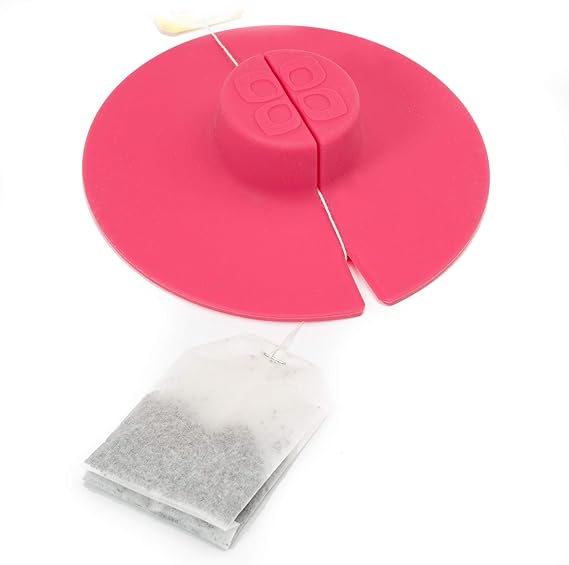
Matcha, the finely ground powder of specially grown and processed green tea leaves, has been making waves in wellness and culinary circles. Beyond its trendy appeal, this emerald elixir offers some powerful benefits. If you’re considering giving matcha a try, here are three compelling reasons to make it a part of your routine:
1. A Gentle Energy Boost Without the Jitters
Unlike coffee, matcha delivers a steady and sustained energy boost thanks to its unique combination of caffeine and L-theanine, an amino acid that promotes relaxation. Instead of the crash or jitters that sometimes accompany a coffee buzz, matcha offers calm alertness—a perfect balance for tackling a busy day.
2. Packed with Antioxidants
Matcha is a powerhouse of antioxidants, particularly catechins, which help fight free radicals and reduce inflammation. One of these catechins, EGCG, has been linked to boosting metabolism and supporting heart health. Just one cup of matcha contains more antioxidants than many other superfoods, making it a simple yet effective addition to a healthy diet.
3. Versatile and Delicious
Matcha is incredibly versatile. You can enjoy it as a traditional tea, whisked with hot water, or explore modern variations like matcha lattes, smoothies, or even baked goods. Its earthy, slightly sweet flavor profile pairs well with many ingredients, allowing you to get creative while reaping its benefits.
Whether you’re looking for a clean energy source, a way to elevate your wellness game, or a tasty new drink to savor, matcha could be the answer. Give it a try and experience the vibrant green magic for yourself!
Pro Tip: Not all matcha is created equal. For the best results, choose ceremonial-grade matcha for drinking and culinary-grade for cooking or baking.
Ah, November—the month that brings cozy sweaters, pumpkin pie, and the official season of thanks. With Thanksgiving around the corner, it’s the perfect time to pause, reflect, and practice gratitude. Sometimes, life moves at such a breakneck pace that we forget to stop and appreciate the little things, like that first sip of hot coffee or the warmth of an extra blanket on a cold night.
But what if we embraced this attitude of gratitude throughout November and carried it beyond the holidays? Imagine starting each day with a reminder of something you’re thankful for—it could be as simple as saying, “I’m grateful for this day” or jotting down three things that make you smile. These small acts of gratitude can transform our mindset and uplift us in ways we might not expect.
Finding Thankfulness in the Everyday
Gratitude doesn’t have to mean grand gestures or extravagant displays. Some days, being thankful might be as simple as appreciating a warm meal or a quiet moment. For me, one of my favorite rituals is a cup of tea at the end of the day. It’s not much, but that one moment of quiet warmth can feel like a little slice of heaven.
November invites us to slow down and look for these “everyday treasures.” Whether it’s a conversation with a friend, a cozy scarf, or even a day that feels a little less hectic than usual, recognizing these moments can add richness to our lives.
The Ripple Effect of Gratitude
When we take time to recognize what’s good in our lives, it often sparks a ripple effect. Gratitude helps us focus on the positive, which can improve relationships, lift our mood, and even reduce stress. When I started keeping a gratitude journal a while back, I noticed that on challenging days, I could look back and remember that, yes, there is always something to be grateful for. And that small reminder can make all the difference.
Sharing gratitude can be as powerful as feeling it. Send a quick message to a friend or family member who’s made a difference in your life, or even leave a thank-you note for a coworker. It doesn’t take much, but it means a lot. Imagine how much brighter the world would be if everyone practiced a little more gratitude.
A Month of Reflection, Not Just One Day
Thanksgiving reminds us of all the good things we’re grateful for, but why limit it to just one day? Let’s use the rest of November as a time to reflect and focus on what really matters. Every day this month, take a minute to recognize something—big or small—that adds joy to your life. I know I’ll be reminding myself to appreciate the warmth of the season, the colors of the leaves, and the feeling of sharing a laugh with the people I love.
As November progresses, let’s remember that gratitude doesn’t end with the holiday. It’s something we can take with us and nurture all year long. And with each act of appreciation, we’re adding a bit more light to the world.
Have you ever felt instantly more relaxed when you’re barefoot on grass or walking along the shore? That sensation may be more than just a moment of calm—it could be the benefits of grounding (or earthing), a practice that connects your body to the earth’s natural energy. Grounding has been gaining attention for its potential wellness benefits, from improved sleep to pain relief. But how exactly does grounding work, especially if you’re using an indoor grounding mat rather than being outside? Let’s dive in!
How Grounding Works
Grounding is based on the idea that the earth’s surface is rich in electrons, carrying a slight negative charge that can neutralize free radicals—unstable molecules in our bodies that contribute to inflammation and aging. By connecting to the earth, we may help restore our body’s natural electrical balance.
One popular method for grounding indoors is by using a conductive grounding mat that connects to the earth through your home’s electrical system. Here’s how it works:
Connecting to the Earth Indoors: In a modern home, electrical outlets are grounded to the earth. When you plug a grounding mat into a properly grounded outlet, it allows the earth’s energy to flow through the outlet to the mat. This charge subtly flows to your body, bringing benefits similar to standing barefoot outdoors.
Subtle Sensations: When you first try a grounding mat, you might feel nothing at all or notice a slight tingling. Both reactions are perfectly normal! Grounding is a gradual process, with effects that accumulate over time rather than providing immediate, dramatic sensations. It’s a bit like the difference between a single glass of water and maintaining proper hydration over weeks—you may not feel much right away, but the benefits build up.
Consistency is Key: Like any wellness habit, grounding requires consistency. Incorporating it into your daily routine, whether working, relaxing, or even sleeping, allows the benefits to integrate into your body’s natural rhythms.
Benefits of Grounding
Grounding is still a developing field in wellness, but initial research and anecdotal evidence suggest several potential benefits:
Improved Sleep: Grounding may help align your body with the earth’s natural energy, contributing to a sense of calm that makes it easier to fall asleep and stay asleep. Regular grounding can support the natural circadian rhythm, which is essential for quality rest.
Pain Relief: Many users report a reduction in pain after grounding regularly. This could be due to grounding’s anti-inflammatory effects, as it helps to neutralize free radicals in the body, which are often associated with chronic inflammation and pain.
Stress Reduction: Studies suggest that grounding may reduce cortisol levels, the body’s primary stress hormone. Lower cortisol can lead to lower levels of anxiety and stress.
Enhanced Energy: By connecting to the earth’s energy, grounding could potentially improve overall vitality. It’s like giving your body a little reset, balancing the positive charge that builds up from daily exposure to electronics.
Grounding Beyond the Mat: Nature’s Way
Using a grounding mat indoors is an effective alternative to outdoor grounding, especially for people who may not have easy access to natural spaces. However, whenever possible, consider complementing your mat practice with some time outside—barefoot if the weather allows. Grass, sand, dirt, and even water are all natural surfaces for grounding and offer a little extra dose of nature’s own “battery.”
Grounding as a Long-Term Wellness Practice
While grounding won’t magically solve all your health concerns overnight, it can be a beneficial addition to a holistic wellness routine. Embrace the subtlety of grounding and its ability to support wellness over time. Think of it as a small, natural investment in yourself that pays off gradually, much like any other health habit.
Ah, the clock is about to play its annual game of hide-and-seek, and let’s just say it’s not my favorite! This Sunday, we “fall back,” which means we gain an hour of sleep but lose an hour of daylight. While many of us are secretly counting down to that extra hour of snoozing, the early darkness can hit harder than a Monday morning after a long weekend. So, what do we do when the sun sets before we’ve even finished our afternoon coffee? Let’s dive into some ideas to embrace the early darkness and keep our spirits bright!
1. Light Up Your Space
As the sun bids adieu earlier each day, it’s time to channel your inner candle connoisseur. Lighting can do wonders for our mood, and there’s something magical about cozying up to the warm glow of candles. I remember one year, I went a little overboard and had a mini candle festival in my living room. The scent of cinnamon and vanilla wafting through the air made it feel like I was living in a cozy bakery. Pro tip: Pick scents that evoke memories or feelings of comfort. It’s like a warm hug for your nostrils!
2. Get Moving—Even in the Dark
Sure, you might feel like a vampire retreating into the shadows, but don’t let the early darkness lure you into a sedentary slump. Now is the perfect time to explore indoor activities. Whether it’s joining a local gym, taking a dance class, or embracing the art of yoga, find something that gets your body moving. Trust me, nothing beats the post-workout glow, even if the sun has already clocked out for the day.
3. Host a Game Night
When the daylight diminishes, why not gather your friends for a game night? Dust off that old board game or challenge everyone to a video game showdown. Nothing brings people together quite like a little friendly competition—especially if you add snacks into the mix. I once hosted a game night that turned into a full-blown pizza-making contest, and let me tell you, the chaos was worth every cheesy moment. Plus, the laughs and friendly banter kept the early darkness at bay.
4. Create a Cozy Evening Routine
Who says evenings have to be dull? Use this time to create a cozy routine that you genuinely look forward to. Maybe it’s curling up with a book, binge-watching your latest obsession, or diving into that hobby you’ve been neglecting. My evening routine includes a steaming cup of herbal tea and a few episodes of whatever is trending on Netflix. It’s a little slice of happiness that makes the long nights feel shorter.
5. Make Plans for Daylight
Now, let’s talk strategy. While it’s easy to fall into the early night trap, take advantage of the daylight hours we do have. Schedule outdoor activities for the weekends or during your lunch break. Whether it’s a brisk walk in the park or grabbing a coffee with a friend, soaking up the sun (even if it’s just for a bit) can give you that extra boost of energy. I often find that those little moments outdoors can reset my mood for the entire day.
6. Embrace the Season
Lastly, remember that every season has its charm, and autumn is no exception. So why not lean into the coziness of the season? From enjoying pumpkin spice everything to snuggling up in your favorite blanket, find joy in the little things. Maybe even try out some fall recipes or craft projects to bring that warmth into your home. After all, who can resist the allure of homemade pumpkin muffins wafting through the air as the sun dips below the horizon?
As soon as the air turns crisp and the days start getting shorter, I find myself reaching for my favorite oversized mug, ready to steep a cozy cup of tea. There’s just something about drinking tea in the colder months that feels like wrapping yourself in a soft, warm blanket—minus the static electricity.
Tea, for me, has become more than just a beverage; it’s a ritual. Whether it’s starting my day with a bold black tea to wake up my senses or winding down in the evening with a soothing herbal blend, tea just fits right in when the weather turns chilly. And let’s be real, there’s nothing better than that first sip when it’s freezing outside—pure, unadulterated coziness.
Tea: The Health Benefits in a Cup
Beyond the comfort factor, tea has some impressive health perks, which makes me feel a little virtuous even when I’m simply indulging in a second or third cup. One of the most well-known benefits is that tea is packed with antioxidants, particularly in green tea. Antioxidants help fight free radicals, which can cause damage to your cells. In layman’s terms? They help keep you feeling and looking your best—even in the dead of winter when your skin might be screaming for some extra love.
Drinking tea can also give your immune system a little boost. Teas like ginger and chamomile are particularly helpful for fighting off colds, which seem to strike just when you’re least prepared. I’ve lost count of how many times I’ve added a slice of lemon and a spoonful of honey to my tea during the winter, trying to stave off the inevitable scratchy throat.
And let’s not forget about hydration. With the dryness that comes with colder weather (hello, chapped lips- see yesterdays blog post!), it’s easy to forget to drink enough water. Tea, however, helps keep you hydrated, and you get bonus points if it’s caffeine-free, like a nice herbal blend before bed. Speaking of sleep, certain teas—like chamomile or lavender—can actually help you unwind and get a better night’s sleep. And who doesn’t need a little more of that?
Cozy is a Cup Away
Picture this: It’s a chilly afternoon, the kind where you just can’t warm up no matter how many layers you’re wearing. You make a cup of spiced chai tea. The aroma alone warms your senses—cinnamon, cloves, cardamom. You settle into your favorite chair, cup in hand, and suddenly the world feels a little softer. That’s the power of tea in the colder months—it’s a little escape, a moment of comfort in an otherwise busy (and cold) day.
I’ve even turned making tea into a bit of a ritual. Instead of rushing through the process, I slow down, take the time to pick the perfect blend for my mood, and even let the steam wash over my face for a few seconds before sipping. It’s my mini version of meditation—though I imagine a yogi might raise an eyebrow at that comparison.
My Go-To Winter Teas
If you’re looking to embrace the tea life this winter, here are a few blends that I think are must-haves:
Chai Tea: The spicy warmth of chai is perfect for cold afternoons. I like to add a splash of almond milk and a drizzle of honey for a touch of sweetness.
Peppermint Tea: This is my post-dinner go-to. It’s refreshing but soothing and helps with digestion, which comes in handy after one too many holiday cookies.
Green Tea with Lemon and Ginger: Great for a little morning pick-me-up that doesn’t hit quite as hard as coffee. Plus, the ginger adds a nice little kick.
Chamomile: My nighttime favorite. It’s like liquid relaxation and pairs perfectly with a good book under a heavy blanket.
Tea: More Than Just a Drink
I’ve come to realize that tea isn’t just about the health benefits or the cozy factor (though those are huge bonuses). It’s about the ritual. It’s the time you take to slow down, appreciate the moment, and maybe even treat yourself to a little self-care. Tea is my way of giving myself permission to relax, especially when the cold outside has me feeling frazzled.
So, as the weather keeps dropping and the hustle of the holidays starts creeping in, let tea be your secret weapon. Whether it’s for the health perks or just because you need a little break, a cup of tea can turn a chaotic day into a moment of peace. Now, if you’ll excuse me, I’ve got a kettle boiling.
Let’s talk about the never-ending cycle we all live in: dishes, laundry, cooking—rinse and repeat, right? I swear, it feels like I just put away clean dishes, and somehow, the sink is already plotting its next overflow. And don’t even get me started on laundry. You fold one load, and suddenly, the hamper is full again like it has its own agenda! It’s the reality of daily life—some tasks just keep coming back like an encore no one asked for.
But here’s a thought that’s been rattling around in my brain: What if we make time each day to do something that can’t be undone tomorrow? You know, something that sticks. Something that adds a little depth or joy to your day and doesn’t vanish into the abyss of “to-do” lists the next morning.
Take journaling, for example. I started the habit not long ago, and let me tell you, that entry isn’t going anywhere. There’s no magical fairy erasing your words overnight, and guess what? You won’t wake up with a blank journal page demanding to be filled again like your laundry basket. It’s kind of refreshing, right?
Same goes for reading. When you finish a chapter, no one’s going to say, “Hey, could you re-read that and fold some plot points while you’re at it?” The accomplishment stays put, and you can move on with your day. There’s no “undone” button for it, and frankly, that feels like a small victory.
I recently took a breather from the endless chores and planted a small herb garden. Each day, I water the plants and watch them grow, knowing I’m nurturing something that won’t be erased. Sure, I’ll have to tend to them, but the act of potting them—that’s done. It’s tangible, lasting, and hey, it smells a lot better than dirty dishes.
There’s something deeply satisfying about pouring your energy into tasks that don’t immediately fall apart the next day. You build momentum instead of feeling like you’re running in place. And let’s be real, sometimes we all need a break from the grind of repetitive chores to focus on something that will pay off later or just bring us a little joy.
So, do something today that won’t be undone tomorrow. Whether it’s journaling, reading a chapter of that book gathering dust, planting a flower, or learning something new, take time to create something lasting. Don’t let your day get swallowed by the routine. Because while some things, like laundry, are inevitable, your time and what you do with it doesn’t have to be.
Go ahead, give yourself permission to let the dishes wait—just this once. You’ll thank me tomorrow when the plant you potted is still sitting pretty and those journal pages are filled with thoughts you won’t have to redo.
Here’s to doing something today that leaves a mark tomorrow. 🌱
Facebook Marketplace has become a popular platform for buying and selling everything from electronics to home goods. However, with its growing popularity, it has also become a hotspot for scammers looking to take advantage of unsuspecting users. Understanding common scams on Facebook Marketplace can help protect you from falling victim. Here are some of the most frequent scams to watch out for, along with tips to stay safe.
1. Bait-and-Switch Scam
Scammers will often post desirable items at low prices to lure potential buyers. Once interest is shown, they may switch to a different, often inferior item or suddenly increase the price.
How to Avoid: Be wary of deals that seem too good to be true. Ask questions about the item and request additional photos if the listing is vague.
2. Overpayment Scam
In this scam, the buyer “accidentally” overpays for an item and asks the seller to refund the difference. The original payment often turns out to be fraudulent, leaving the seller with no payment and having refunded real money.
How to Avoid: Only accept payment through secure methods, and never agree to refund overpayments. If someone overpays, wait for the payment to clear fully before taking action.
3. Fake Payment Confirmation
Scammers send fake payment confirmations or emails to convince the seller that they’ve paid. After the seller sends the item, the scammer disappears without making a legitimate payment.
How to Avoid: Always verify payments directly through your payment platform. Don’t rely on email confirmations—log into your account to confirm the transaction.
4. Advance Fee Scam
This scam involves buyers or sellers requesting a deposit or full payment upfront for high-value items like cars or rental properties. Unfortunately, the item either doesn’t exist or doesn’t match the description.
How to Avoid: Never send money upfront for items you haven’t seen or for transactions where the seller cannot verify the item exists. Meet in person or request a secure method of payment.
5. Phishing Scams
Scammers often send links that direct you to fake websites designed to steal personal information or install malware. These sites might look legitimate but are meant to trick you into providing sensitive data.
How to Avoid: Be cautious about clicking on links, especially if they seem suspicious. Verify URLs and never input personal or payment information unless you are certain the site is secure.
6. Counterfeit Goods
Products like electronics or designer items are offered at suspiciously low prices and turn out to be counterfeit or of low quality.
How to Avoid: If the price seems too low, it’s probably fake. Research the seller and ask detailed questions about the item. Look for reviews or feedback on their profile.
7. Rental Scams
Scammers post attractive rental listings and ask for payments upfront, but the property either doesn’t exist or isn’t actually available for rent.
How to Avoid: Never pay for a rental before viewing the property in person. Research the property address and confirm that the listing is legitimate.
8. Gift Card Scams
Some scammers ask for payment in the form of gift cards. Once you provide the card details, the scammer uses or resells them, leaving you without your money or item.
How to Avoid: Never pay for items using gift cards. Stick to secure payment methods that offer buyer protection, like PayPal.
9. Verification Code Scams
Scammers will ask you to share a verification code sent to your phone, which they can use to hijack your account or commit identity theft.
How to Avoid: Never share verification codes or personal information with anyone. These codes are meant for you only and should be kept private.
Tips to Avoid Facebook Marketplace Scams
Meet in Person: If possible, always meet in a public place, such as a police station parking lot, to complete the transaction.
Use Secure Payment Methods: PayPal offers buyer protection that can be beneficial for online transactions. Avoid cash for high-value purchases.
Check Profiles: Take a close look at the seller or buyer’s profile. New accounts, generic photos, or a lack of personal details can be red flags.
Be Skeptical of Unbelievable Deals: If the price is significantly lower than the market value, it’s likely a scam.
Stay on Marketplace: Avoid moving the transaction off Facebook Marketplace, as scammers often request to continue on other platforms or ask for non-secure payment methods.
Verify Identities: If you’re suspicious, ask for a video call or a mutual connection to verify the person.
Report Suspicious Activity: Facebook Marketplace has tools to report users who seem suspicious or engage in scammy behavior.
While Facebook Marketplace is a convenient platform for buying and selling, it’s crucial to stay vigilant to avoid scams.
Managing money can feel overwhelming at times, but having a simple framework can make it easier to take control of your finances. Enter the 50-30-20 rule: a straightforward budgeting guideline that divides your income into three categories. It’s not just about cutting costs—it’s about giving your money purpose. Here’s how it works and how it might help you.
What is the 50-30-20 Rule?
The 50-30-20 rule is a budgeting method that divides your after-tax income into three categories:
50% for Needs: This covers essentials like housing, utilities, groceries, and transportation. Anything that you can’t live without goes here.
30% for Wants: These are your non-essential expenses, like dining out, entertainment, vacations, and hobbies.
20% for Savings and Debt Repayment: The final portion goes towards building savings, investing, and paying off debt.
How the 50-30-20 Rule Can Help You
Simplifies Budgeting One of the biggest advantages of the 50-30-20 rule is its simplicity. Instead of tracking every penny spent, you focus on three broad categories. This makes it easier to see where your money is going and adjust if necessary.
How it helps: If you feel overwhelmed by detailed budgeting, this method allows you to manage your finances without spending hours balancing every line item.
Balances Spending and Saving The rule encourages a balance between enjoying life and planning for the future. By allocating 30% of your income to wants, you don’t have to feel guilty about treating yourself. At the same time, the 20% savings allocation ensures that you’re consistently building toward long-term financial security.
How it helps: If you struggle with finding the right balance between spending and saving, this rule can give you a clear structure to follow, reducing stress and guilt about your financial decisions.
Helps You Prioritize Needs Over Wants By setting aside 50% of your income for essentials, you make sure that your needs are covered first. This prevents the all-too-common problem of overspending on wants while neglecting important bills or savings goals.
How it helps: If you often find yourself living paycheck to paycheck, the 50-30-20 rule can help you prioritize necessities and make better decisions with your disposable income.
Tips for Implementing the 50-30-20 Rule
Start by calculating your after-tax income. If you’re unsure, check your pay stubs or online banking statements to determine how much you bring home each month.
Track your spending for a month. Get a clear idea of how much you currently spend in each category. This will show you where adjustments are needed.
Be flexible but disciplined. Life happens, and there may be months when the rule doesn’t fit perfectly. The goal is to aim for balance, not perfection.
A Path to Financial Freedom
The 50-30-20 budgeting rule is more than just a guide—it’s a strategy that helps you gain control over your financial life. Whether you’re working to pay off debt, saving for a big purchase, or simply trying to manage your money more effectively, this simple rule can give you the structure you need. By focusing on what’s important—covering needs, enjoying life, and saving for the future—
Many of us hear about the benefits of a structured morning routine, but in reality, busy mornings with work or kids often make this ideal seem out of reach. The pressure to create an elaborate routine can be overwhelming, especially when your mornings are already packed. Instead of striving for a perfect routine that may not fit into your schedule, consider shifting your mindset to focus on achieving one intentional act by noon each day.
Why the One Intentional Act Approach?
Reduces Overwhelm: Trying to fit a complex routine into a hectic morning can lead to stress and disappointment. Focusing on a single, meaningful task simplifies your morning and reduces pressure.
Enhances Focus: By concentrating on one specific act, you can channel your energy and attention more effectively, leading to a greater sense of accomplishment and productivity.
Adapts to Your Schedule: This approach is flexible and can be tailored to fit your unique morning challenges, whether you’re juggling work, family, or both.
How to Implement the One Intentional Act Strategy
Identify Your Intentional Act: Choose an action that aligns with your goals or needs. It could be as simple as making a healthy breakfast, completing a brief workout, or spending quality time with your family. The key is to select something that will make a positive impact on your day.
Prioritize and Plan: Decide what your intentional act will be each day and plan how you’ll fit it into your morning. For example, if your goal is to exercise, set out your workout clothes the night before to make it easier to get started.
Commit and Reflect: Once you’ve chosen your act, commit to it with intention and focus. At the end of each day, reflect on your accomplishment and how it affected your overall mood and productivity.
Adjust as Needed: Your needs and priorities may shift, so be flexible and willing to adjust your intentional act as circumstances change. The goal is to maintain a sense of achievement and purpose each morning.
Benefits of This Approach
Increased Productivity: Achieving one intentional act early in the day can set a positive tone for the rest of your day, boosting your overall productivity.
Improved Well-being: Whether it’s a self-care activity or a task that contributes to your goals, focusing on something meaningful can enhance your sense of well-being.
Greater Flexibility: This approach allows you to adapt your morning routine to fit your changing schedule and responsibilities, making it more sustainable in the long run.
By redefining your mornings with a focus on one intentional act, you can create a sense of accomplishment and purpose without the stress of a rigid routine. Embrace this mindset shift to make your mornings work for you and set a positive tone for the rest of your day.
Water is essential to life, but did you know that adding certain trace minerals to your water can significantly boost its health benefits? One such mineral is selenium. While not as commonly discussed as calcium or magnesium, selenium is a powerful antioxidant that plays a crucial role in maintaining good health. When included in your drinking water, selenium can offer a range of benefits that contribute to your overall well-being.
What Is Selenium?
Selenium is a trace mineral that is vital for various bodily functions. It is found naturally in soil, water, and certain foods like nuts, fish, and eggs. While the body only needs a small amount of selenium, it is essential for maintaining optimal health, particularly when it comes to immune function, thyroid health, and antioxidant defense.
The Health Benefits of Selenium
Powerful Antioxidant Protection: Selenium is a potent antioxidant, which means it helps protect your cells from damage caused by free radicals. Free radicals are unstable molecules that can cause oxidative stress, leading to inflammation and various chronic diseases. By drinking water with selenium, you can help your body combat oxidative stress and support overall cellular health.
Supports Immune Function: Selenium plays a critical role in the immune system. It helps regulate the immune response and supports the production of antibodies that fight off infections. Regular intake of selenium through your water can help keep your immune system strong and resilient against illnesses.
Promotes Thyroid Health: The thyroid gland relies on selenium to produce and regulate hormones that control metabolism. Selenium deficiency can lead to thyroid dysfunction, including conditions like hypothyroidism. Drinking water with selenium can help ensure that your thyroid has the necessary resources to function properly, supporting energy levels, metabolism, and overall hormone balance.
May Reduce the Risk of Certain Cancers: Some studies suggest that selenium may help reduce the risk of certain types of cancer, particularly prostate, lung, and colorectal cancers. While more research is needed to fully understand this connection, selenium’s role in reducing oxidative stress and boosting the immune system may contribute to its protective effects.
Supports Heart Health: Selenium has been linked to a lower risk of heart disease. It may help reduce inflammation, lower oxidative stress, and prevent the buildup of plaque in arteries. By adding selenium to your drinking water, you can take a proactive step towards maintaining a healthy heart.
How Much Selenium Do You Need?
The recommended daily intake of selenium for adults is about 55 micrograms. However, it’s important to be mindful of the amount you consume, as too much selenium can lead to toxicity, which can cause symptoms like nausea, hair loss, and irritability. When adding selenium to your water, ensure that the amount is within safe limits. It’s always a good idea to consult with a healthcare professional before making any significant changes to your diet or supplement regimen.
How to Incorporate Selenium into Your Water
Adding selenium to your water can be done in a few ways:
Selenium Supplements: Dissolving a selenium supplement tablet in your water is one way to incorporate the mineral into your daily hydration routine. Be sure to follow the dosage instructions carefully.
Selenium-Enriched Water Filters: Some water filters are designed to add beneficial minerals, including selenium, to your drinking water. This is a convenient way to ensure you’re getting a consistent amount of selenium with every sip.
Natural Sources: If you prefer not to use supplements, you can increase your selenium intake by consuming selenium-rich foods and drinking naturally selenium-enriched mineral water.
Small Change, Big Impact
Incorporating selenium into your drinking water is a simple yet effective way to boost your health. From supporting your immune system to promoting heart health and thyroid function, selenium offers numerous benefits that contribute to your overall well-being. As with any supplement, moderation is key, so be mindful of your intake and consult with a healthcare provider to ensure you’re getting the right amount for your body’s needs.
Leave a comment